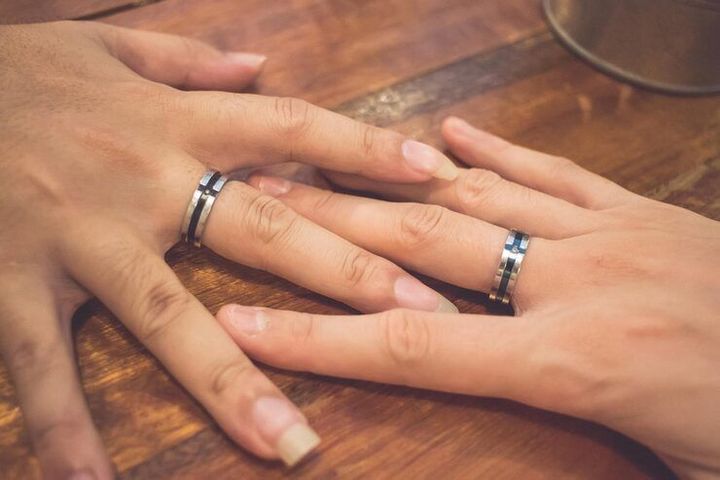
Matching Couples Bands Basics of Metals, Patterns, and Finishes
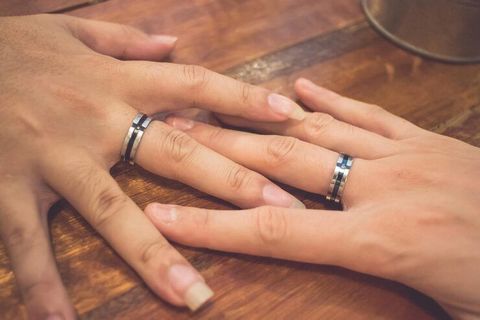
Matching couples bands are coordinated rings designed for two people who want their jewelry to reflect a common connection.
These bands are commonly associated with relationships, engagements, anniversaries, and weddings. Some couples choose traditional matching wedding bands for couples, while others prefer contemporary designs that reflect their personalities.
Common Design Characteristics
Matching bands do not always need identical appearances. Their connection can come from similar materials, matching patterns, coordinated gemstones, or complementary shapes.
Popular design characteristics include:
Similar profiles: Both rings feature comparable widths and shapes.
Coordinated finishes: Polished, brushed, or matte surfaces create a consistent appearance.
Shared details: Small patterns, symbols, or engraved messages connect both pieces.
Different proportions: Each ring can have a different width while maintaining a similar design.
Importance of Matching Bands for Couples
Matching jewelry can provide a visible reminder of a relationship and shared experiences. For many couples, coordinated rings represent commitment, partnership, and personal memories.
The importance of these rings varies between individuals. Some prefer traditional wedding jewelry, while others select matching couple rings sets for anniversaries or personal milestones.
Personal and Symbolic Meaning
A matching design can represent a shared experience, important date, or personal value. Engraved matching couples bands may include initials, short messages, or meaningful dates.
Couples can also select different designs that share one recognizable feature. This approach allows individual expression without losing the connection between the rings.
Popular Materials and Metal Choices
Material selection influences the appearance, maintenance requirements, durability, and overall price of matching bands. Understanding common metals helps couples compare different options.
Comparing Popular Ring Materials
| Material | Appearance | General Characteristics |
|---|---|---|
| Yellow Gold | Warm golden color | Traditional appearance and different purity options |
| White Gold | Silvery white finish | Contemporary appearance, often plated with rhodium |
| Platinum | Naturally white metal | Dense, durable, and relatively heavy |
| Sterling Silver | Bright silver finish | Accessible metal with regular polishing requirements |
| Rose Gold | Pinkish tone | Copper-containing gold alloy |
Gold matching couples bands are popular among people who appreciate traditional jewelry styles. Silver matching couples bands provide a lighter-colored alternative, while platinum matching wedding bands have a naturally white appearance.
The appropriate material depends on personal preferences, metal sensitivity, maintenance expectations, and daily wearing habits.
Styles and Design Options
Matching bands are available in several styles, ranging from simple traditional rings to detailed contemporary designs.
Popular Design Categories
Classic bands: Simple, smooth rings with minimal decorative elements.
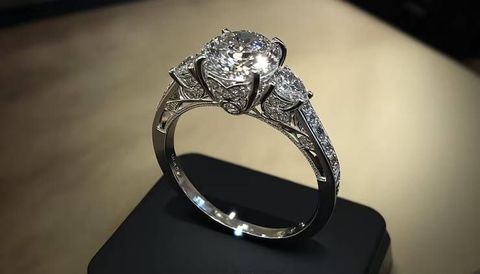
Diamond-accented bands: Small diamonds provide additional visual detail.
Minimalist bands: Narrow profiles and uncomplicated finishes create understated designs.
Textured bands: Hammered, brushed, or patterned surfaces create distinctive appearances.
Two-tone bands: Different metal colors are combined within one design.
Custom matching couple bands allow individuals to select specific widths, finishes, and decorative elements. Some couples also prefer matching his and hers bands with slightly different proportions to accommodate individual preferences.
Customization and Engraving Considerations
Customization allows couples to make coordinated rings more personal. Available options depend on the jeweler, metal, ring construction, and design complexity.
Personalization Ideas
Engraving is one common customization method. Initials, anniversary dates, short phrases, and symbolic characters can be placed inside or outside the ring.
Other possibilities include:
Selecting different ring widths.
Adding small gemstones or birthstones.
Choosing complementary surface patterns.
Combining two metal colors.
Adjusting ring profiles for individual preferences.
Before finalizing engraved matching couples bands, couples should check the available engraving space and character limitations. Certain ring designs may not accommodate detailed lettering.
Factors to Consider Before Selecting Bands
Choosing matching rings involves more than comparing appearances. Practical considerations can influence long-term satisfaction.
Important factors include:
Ring size: Accurate measurements help establish an appropriate fit for each person.
Metal preference: Consider appearance, maintenance, durability, and possible skin sensitivities.
Lifestyle: People with physically active routines may prefer simpler, practical ring profiles.
Design consistency: Decide whether both rings should look identical or complementary.
Price comparison: Matching couples bands price differences may reflect metal purity, weight, gemstones, craftsmanship, and customization.
Maintenance: Understand the cleaning and inspection requirements of the selected material.
Frequently Asked Questions
Are matching couples bands always identical?
No. Couples can choose identical rings or complementary designs with shared materials, patterns, or decorative elements.
Which metals are commonly used for matching bands?
Gold, platinum, and sterling silver are common options. Each has different visual characteristics, durability considerations, and maintenance requirements.
Can couples personalize their matching bands?
Yes. Depending on the design, customization may include engraving, gemstones, different finishes, and individual ring widths.
Are matching wedding bands suitable for everyday wear?
Many designs are intended for regular wear. However, material selection, ring construction, personal activities, and maintenance requirements should be considered.
Conclusion
Matching couples bands combine coordinated jewelry designs with personal meaning. Different metals, finishes, profiles, and engraving options provide flexibility for individual preferences. By considering comfort, material characteristics, design, and maintenance, couples can select rings that reflect their shared connection and everyday lifestyles.