Princess Lab-Grown Diamond Basics With Cut Quality, Appearance, and Jewelry Applications
Princess lab-grown diamonds are square-shaped gemstones created in controlled laboratory environments. They have a distinctive geometric outline, pointed corners, and multiple facets designed to reflect light.
Their appearance resembles that of naturally occurring diamonds, making them relevant to modern jewelry designs, including engagement rings, earrings, pendants, and bracelets.
A lab-grown diamond develops through technological processes that recreate the conditions under which diamond crystals form. The resulting material has essentially the same chemical composition, crystal structure, and fundamental optical properties as a natural diamond. The main difference is its origin: one forms through geological processes, while the other is produced in a laboratory.
Understanding the Princess Diamond Shape
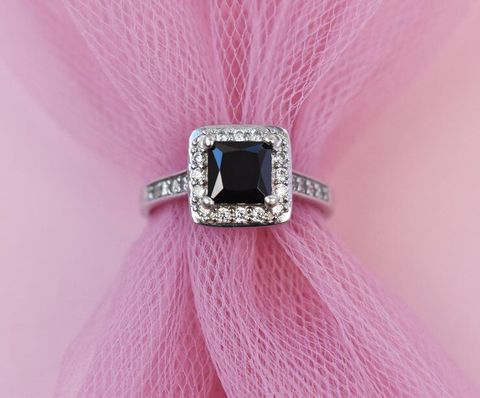
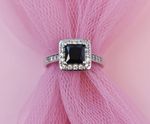
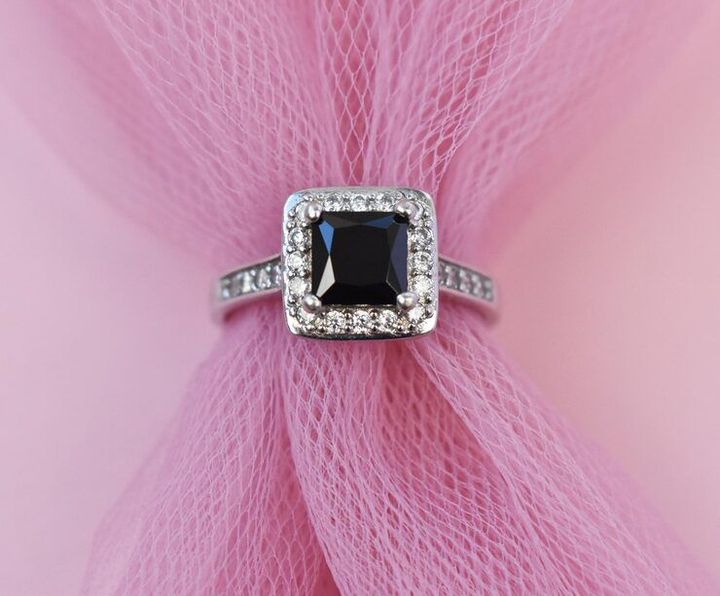
The princess cut is a square or slightly rectangular diamond shape with a faceted crown and pavilion. The crown is the upper portion visible when the gemstone is viewed from above, while the pavilion is the lower section that helps direct light through the diamond.
Its angular outline creates a modern appearance that suits both traditional and contemporary jewelry. The sharp corners require careful protection during setting because they can be more vulnerable to chipping than rounded corners.
How Lab-Grown Diamonds Are Created
Two established methods are used to create lab-grown diamonds: High Pressure High Temperature (HPHT) and Chemical Vapor Deposition (CVD).
HPHT: This process uses high pressure and high temperature to encourage carbon atoms to form a diamond crystal.
CVD: This method introduces carbon-containing gas into a controlled chamber, where carbon atoms gradually deposit onto a surface and form diamond material.
After growth, the rough diamond may undergo cutting, polishing, grading, and quality assessment. The final appearance depends on several factors, including the original crystal, cutting precision, clarity characteristics, and color.
Cut Quality and Light Performance
Cut quality influences how a princess diamond handles light. Properly arranged facets can produce brightness, contrast, and flashes of color when the gemstone moves. However, the princess cut does not have one universal facet arrangement, and different cutting patterns can create different visual effects.
A diamond's cut should not be confused with its shape. Shape describes the outline, while cut quality concerns the proportions, facet arrangement, symmetry, and polish that influence the finished gemstone's appearance.
Importance
Princess lab-grown diamonds matter because they combine a recognizable diamond appearance with a laboratory-based origin. They are relevant to jewelry designers, gemstone retailers, couples choosing engagement rings, and consumers interested in understanding differences between diamond types.
Appearance, Durability, and Everyday Use
Lab-grown diamonds have a hardness of 10 on the Mohs mineral hardness scale, the same as natural diamonds. This makes them suitable for many jewelry applications, including pieces worn regularly. However, hardness measures resistance to scratching, not resistance to every form of damage.
Princess-shaped diamonds have pointed corners that can be vulnerable to impact. Protective settings, such as four-prong designs with suitable corner protection or bezel settings, can help reduce exposure to accidental knocks.
Factors That Influence Diamond Quality
Several characteristics affect the appearance of a princess lab-grown diamond.
Cut quality: Influences brightness, contrast, and light return.
Color: Describes how close a diamond is to colorless, although some stones may display noticeable color.
Clarity: Refers to internal inclusions and surface blemishes.
Carat weight: Measures the diamond's weight rather than its visible dimensions.
Symmetry and polish: Affect the precision of the finished shape and surface.
These characteristics should be considered together. Two diamonds with the same carat weight may have different face-up dimensions because their proportions and cutting styles differ.
Comparing Key Characteristics
Characteristic | What it means | Why it matters |
|---|---|---|
Shape | Square or rectangular outline | Determines the overall design |
Cut quality | Proportions and facet arrangement | Influences light performance |
Color grade | Degree of color in the diamond | Affects visual appearance |
Clarity grade | Presence of inclusions or blemishes | Helps describe internal and surface features |
Carat weight | Diamond weight | Provides a standardized measurement |
Origin | Laboratory-grown or natural | Identifies how the diamond formed |
Recent Updates
Developments in laboratory diamond production, grading, and jewelry design continue to influence the market. Recent industry trends include more varied cutting patterns, increased attention to origin disclosure, and wider use of digital tools for examining gemstone characteristics.
Developments in Production and Design
Improvements in HPHT and CVD production methods have expanded the range of laboratory-grown diamonds available to jewelry manufacturers. However, production outcomes still vary, and not every stone has identical clarity, color, or growth characteristics.
Princess cuts remain relevant to geometric jewelry designs. Designers may use a traditional square outline, elongated rectangular proportions, or combinations of princess-cut diamonds with other shapes. The final visual effect depends on the proportions of the center stone and the surrounding setting.
Digital Grading and Diamond Identification
Digital imaging, magnification, and specialized instruments can help gemologists examine diamond characteristics. Laboratory reports may document a diamond's measurements, weight, color, clarity, and other identifying features.
Laboratory-grown diamonds can sometimes require specialized testing to distinguish them from natural diamonds. Visual inspection alone may not establish origin with certainty, particularly when a stone is well cut and has no obvious identifying features.
Consumers increasingly encounter online diamond listings that include magnified images, grading information, and measurement diagrams. These resources can help explain a gemstone's characteristics, although photographs may not reproduce its appearance accurately under different lighting conditions.
Laws or Policies
Diamond disclosure requirements vary by country and jurisdiction. The central principle is that a laboratory-grown diamond should not be represented as a natural diamond, and descriptions should clearly identify the gemstone's origin.
Origin Disclosure and Consumer Information
In markets where jewelry advertising and consumer protection rules apply, businesses may need to avoid misleading descriptions about a diamond's origin, quality, or characteristics. Terms such as laboratory-grown, lab-grown, and laboratory-created are commonly used to identify diamonds produced through technological processes.
Descriptions should distinguish laboratory-grown diamonds from natural diamonds and from diamond simulants. Simulants, such as cubic zirconia, may resemble diamonds but have different chemical and physical properties.
Grading Reports and Documentation
A grading report can provide useful information about a princess lab-grown diamond's identity and characteristics. Depending on the issuing laboratory, a report may include:
Diamond shape and cutting style.
Carat weight and physical measurements.
Color and clarity grades.
Cut-related observations, where applicable.
A report number or identifying inscription, where provided.
Not every grading laboratory uses the same terminology or evaluates every characteristic in the same way. Readers should review the actual report rather than assuming that all reports contain identical information.
Tools and Resources
Several tools can help readers understand princess lab-grown diamonds without relying entirely on visual impressions.
Diamond Measurement and Comparison Tools
Diamond calculators can estimate face-up dimensions or compare measurements for different carat weights. These calculations are useful for understanding size, but they cannot independently determine cut quality, brilliance, or overall appearance.
A measurement diagram is particularly useful for princess-cut diamonds because it shows the length, width, and depth of the stone. Comparing these dimensions can help explain why two diamonds with equal carat weights may look different when mounted.
Gemological Reports and Visual Inspection
Gemological laboratory reports provide structured information about diamond characteristics. Report verification tools, where available, allow readers to check whether a report number corresponds to the documentation supplied with the gemstone.
A practical review can include the following points:
Examine the diamond under consistent lighting.
Compare its face-up appearance with its listed measurements.
Review the clarity and color grades.
Check the laboratory-grown origin disclosure.
Inspect the corners and setting for suitable protection.
Confirm that the documentation corresponds to the specific stone.
These steps support a clearer understanding of the gemstone's physical properties and documented characteristics.
FAQs
What is a princess lab-grown diamond?
A princess lab-grown diamond is a laboratory-created diamond with a square or rectangular outline and a faceted cutting style. It has essentially the same chemical composition and crystal structure as a natural diamond, but its origin is different.
How does princess diamond cut quality affect appearance?
Cut quality influences how light enters, travels through, and exits the diamond. Proportions, symmetry, and facet arrangement affect brightness, contrast, and flashes of color. Two princess-cut diamonds with similar measurements may therefore have different visual appearances.
Are princess lab-grown diamonds suitable for engagement rings?
Yes. Their hardness and geometric shape make them suitable for engagement rings and other frequently worn jewelry. Because the corners are pointed, a setting that protects them can help reduce the risk of chipping from accidental impacts.
What is the difference between a lab-grown diamond and a diamond simulant?
A lab-grown diamond has essentially the same chemical composition and crystal structure as a natural diamond. A simulant, such as cubic zirconia, resembles a diamond visually but has a different composition and physical properties.
How can the quality of a princess lab-grown diamond be assessed?
Quality assessment involves examining cut characteristics, color, clarity, carat weight, measurements, and origin documentation. A grading report can provide standardized information, while direct examination helps reveal how the diamond looks under different lighting conditions.
Conclusion
Princess lab-grown diamonds combine a geometric shape with the fundamental material properties of diamonds created through natural geological processes. Their appearance depends on cut quality, color, clarity, proportions, and the way light interacts with their facets. Understanding laboratory production methods, grading reports, origin disclosure, and protective settings helps readers interpret their characteristics more accurately. These factors explain their applications across engagement rings, earrings, pendants, and other jewelry designs.