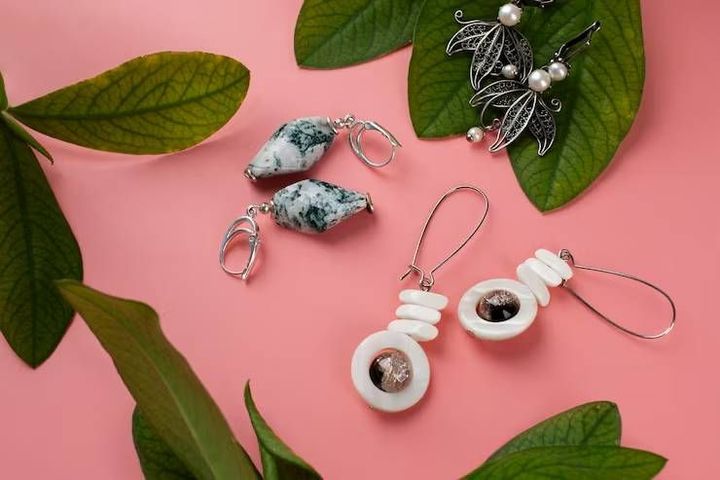
Mixed Ceramic & Metal Jewelry Explore Modern Designs, Materials and Style Ideas
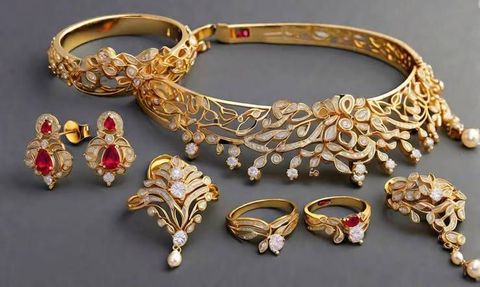
Mixed ceramic and metal jewellery combines two different material families within a single design. Ceramic can provide a smooth, refined surface and distinctive color, while metals such as stainless steel, titanium, gold, silver, or other alloys can provide structural support, decorative contrast, and different surface finishes.
Ceramic has been used in decorative objects for centuries, but its role in contemporary jewellery developed alongside advances in material processing and precision manufacturing. Modern technical ceramics can be shaped, polished, colored, and finished for applications where traditional jewellery materials alone may not provide the intended appearance.
Metal remains an important part of mixed-material jewellery because it can provide flexibility, strength, attachment points, clasps, bezels, or decorative details. Combining ceramic with metal therefore creates opportunities to contrast textures, colors, shapes, and surface finishes within one piece.
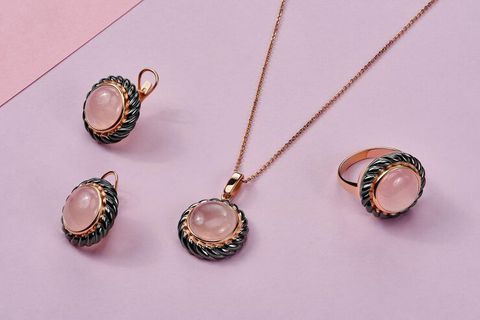
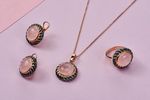
A mixed ceramic and metal jewellery design may use ceramic as the main visible surface with metal around its edges. Another design may place ceramic links between metal components or use small ceramic inserts within a larger metal structure.
Main Materials Used
The exact material combination varies according to the design. Ceramic components can be produced from different technical or decorative ceramic compositions, while the metal portion can use various alloys.
Common material categories include:
Technical ceramic components
Stainless steel
Titanium
Sterling silver
Gold alloys
Platinum alloys
Other jewellery-grade metal alloys
Ceramic is not a single material with identical characteristics. Different ceramic compositions can vary in hardness, density, color, surface finish, and resistance to particular forms of wear.
How Mixed Jewellery Is Made
Production can involve several stages. Ceramic components may be formed through pressing, machining, molding, or other manufacturing processes before being sintered and polished. Metal components can be cast, stamped, machined, forged, or fabricated according to the design.
The two materials must then be assembled carefully. Connections can involve mechanical fittings, recessed areas, adhesives, metal frames, pins, or other construction methods. The chosen connection method depends on the geometry and expected movement of the finished piece.
Importance
Mixed ceramic and metal jewellery matters because it expands the range of materials available for contemporary personal accessories. Designers can combine the visual qualities of ceramic with the structural and decorative characteristics of metals.
The approach also illustrates how jewellery has moved beyond traditional combinations of precious metals and gemstones. Modern manufacturing allows designers to explore materials originally associated with engineering, watches, electronics, medical equipment, and other technical fields.
Material Characteristics
Ceramic can have a smooth surface and can be produced in colors such as black, white, gray, or other shades. Its surface characteristics can create a visually different effect from polished or brushed metal.
Many technical ceramics have high hardness, although hardness does not mean that a ceramic component cannot break or chip. Ceramic behavior also depends on its composition, thickness, shape, manufacturing process, and exposure to impact.
Metals generally provide greater ductility than ceramic materials. This means metal can often deform under certain forces rather than breaking in the same way as a brittle ceramic component.
Design Possibilities
Combining materials creates several visual approaches. A dark ceramic surface can contrast with polished silver-colored metal, while lighter ceramic can create a softer appearance alongside darker or warm-toned metal.
Designers can also combine different textures:
Polished ceramic with brushed metal
Matte ceramic with polished metal
Colored ceramic with neutral metal
Patterned ceramic with plain metal
Smooth ceramic with textured metal
Geometric ceramic with curved metal
The contrast does not need to be dramatic. Subtle differences in texture and reflectivity can also create a distinctive appearance.
Everyday Wear
The suitability of mixed ceramic and metal jewellery depends on the specific materials and construction. Ceramic surfaces may resist many types of scratching, but they can be vulnerable to sharp impacts or concentrated force.
Metal components can also show scratches, dents, or surface changes depending on their composition and finish. Plated surfaces may behave differently from solid metal or homogeneous alloys.
Understanding these differences is useful when considering how a particular piece may respond to regular wear, contact with hard surfaces, moisture, cosmetics, cleaning materials, and physical activity.
Recent Updates
From 2024 through 2026, mixed-material jewellery has continued to reflect broader interest in contemporary materials, minimalist forms, personalization, and combinations of contrasting textures. Digital manufacturing and computer-aided design have also made it easier to develop precise multi-material structures.
Modern Ceramic Finishes
Ceramic jewellery components are increasingly available in different surface treatments. Polished surfaces can create a reflective appearance, while matte or satin finishes can provide a more subdued visual effect.
Color is another design element. Black and white ceramics are widely associated with modern jewellery, but technical ceramic production can also support other shades depending on composition and coloring methods.
Lightweight Design Approaches
Material selection can influence the weight of jewellery. Designers may use ceramic sections to alter the balance between metal and non-metal components.
The final weight depends on dimensions, density, metal type, ceramic composition, and construction. A ceramic component is not automatically lighter than every metal component because different ceramic materials and metal alloys have different densities.
Digital Customization
Computer-aided design allows jewellery structures to be modeled in three dimensions before physical production. Designers can examine proportions, connection points, thicknesses, curves, and component placement within a digital model.
Digital manufacturing can also support repeatable production of detailed shapes. CNC machining, precision cutting, and other techniques may be used for metal and ceramic components depending on their properties.
Mixed-Texture Styling
Contemporary jewellery design increasingly uses combinations of matte, polished, brushed, textured, and patterned surfaces. Ceramic and metal are particularly suitable for this approach because their surfaces can respond differently to finishing processes.
A single bracelet, ring, or pendant can therefore combine several visual effects without relying on multiple gemstones or elaborate ornamentation.
Laws or Policies
Mixed ceramic and metal jewellery can be affected by consumer-protection rules, material disclosure requirements, precious-metal standards, product safety provisions, and trade regulations. Exact requirements depend on the jurisdiction where the jewellery is manufactured, distributed, or sold.
Material Disclosure
Jewellery descriptions should accurately identify the materials used. If a piece contains a particular metal alloy, plating, ceramic material, gemstone, or coating, descriptions should not create a misleading impression about its composition.
Terms related to precious metals can have defined meanings in different jurisdictions. For example, gold or platinum descriptions may be subject to fineness or hallmarking requirements.
Metal Standards
Some jurisdictions regulate the marking or description of precious-metal content. Fineness marks can communicate the proportion of precious metal within an alloy where such marking systems apply.
Non-precious metals can also have specific requirements when used in products that come into prolonged skin contact. Applicable rules may address substances that can migrate from certain materials or coatings.
Product Safety
Jewellery can involve small components, sharp edges, coatings, clasps, and materials that come into direct contact with skin. Product safety rules can therefore address physical construction and material composition.
Requirements can vary according to intended users and the jurisdiction involved. Jewellery intended for children may be subject to additional requirements because of small parts and other potential hazards.
Tools and Resources
Several resources can help readers understand mixed ceramic and metal jewellery. Material reference charts can explain characteristics such as hardness, density, thermal behavior, and surface properties. Metal purity charts can help explain alloy terminology and fineness markings.
Digital jewellery design platforms can display how ceramic and metal components interact. Three-dimensional modeling tools can also help designers examine proportions, connection points, thickness, and surface treatments.
Useful resources include:
Jewellery material reference charts
Metal purity and fineness tables
Ceramic material guides
Jewellery sizing charts
Computer-aided design platforms
Three-dimensional modelling software
Surface-finish reference guides
Jewellery care instructions
Product specification sheets
Material safety documentation
Manufacturing drawings
Quality inspection checklists
A simplified comparison of common material characteristics is shown below:
| Material | General Characteristic | Common Jewellery Role |
|---|---|---|
| Ceramic | Hard surface with varied finishes | Decorative body or insert |
| Stainless Steel | Durable metal alloy | Structural or decorative component |
| Titanium | Lightweight metal | Rings, bracelets, structural parts |
| Sterling Silver | Precious-metal alloy | Decorative jewellery structure |
| Gold Alloy | Malleable precious-metal material | Decorative frames and components |
| Platinum Alloy | Dense precious-metal material | Structural and decorative elements |
Style Planning
Mixed-material jewellery can be styled according to color, texture, shape, and proportion. A piece with mostly dark ceramic and silver-colored metal can create a monochromatic appearance, while warm-colored metal can introduce greater contrast.
Jewellery can also be coordinated with other accessories. For example, a ceramic-and-metal bracelet can be paired with a metal watch or other bracelets containing similar finishes.
Care and Maintenance
Care requirements depend on both materials and construction. Ceramic should generally be protected from strong impacts, while metal surfaces can be affected by scratches, chemicals, moisture, or abrasive contact depending on their composition and finish.
Cleaning instructions should be based on the manufacturer's stated material specifications. Abrasive cleaners or unsuitable chemical products may affect coatings, polished surfaces, or connections.
Separate storage can also reduce contact between different jewellery pieces. Individual compartments or soft storage materials can help limit scratching between harder and softer surfaces.
FAQs
What is mixed ceramic and metal jewellery?
Mixed ceramic and metal jewellery combines ceramic components with metal elements in one piece. The materials may be used together in rings, bracelets, necklaces, earrings, pendants, and other designs.
What materials are used in modern ceramic and metal jewellery?
Ceramic may be combined with stainless steel, titanium, silver, gold alloys, platinum alloys, or other metals. The precise combination depends on the design, construction method, intended appearance, and material characteristics.
Is ceramic jewellery durable?
Ceramic can have high hardness and resistance to many surface scratches, but hardness does not mean immunity from damage. Some ceramic materials can chip or fracture when subjected to concentrated impacts or particular types of force.
What are the style ideas for mixed ceramic and metal jewellery?
Common approaches include contrasting polished and matte surfaces, combining dark ceramic with light-colored metal, using geometric forms, and mixing ceramic inserts with metal frames or links. Color and texture can be coordinated with other accessories.
How should mixed ceramic and metal jewellery be maintained?
Care depends on the specific ceramic, metal, coating, and construction. Gentle handling, appropriate cleaning methods, protection from strong impacts, and separate storage can help preserve the surfaces and connections.
Conclusion
Mixed ceramic and metal jewellery combines technical and traditional materials to create rings, bracelets, necklaces, earrings, and other contemporary designs. Ceramic can provide distinctive colors and surface finishes, while metals contribute structural support, flexibility, and decorative contrast. Recent design developments include digital modeling, varied ceramic finishes, lightweight structures, and mixed-texture styling. Material disclosure, metal standards, product safety, and care requirements depend on the materials and applicable jurisdiction.