MAP Machines Guide With Modified Atmosphere Packaging Technology and Insights
MAP machines are packaging systems designed for modified atmosphere packaging, a technique that changes the gas environment surrounding a packaged product. Instead of leaving ordinary air inside a package, the packaging process can replace or adjust the internal atmosphere using gases such as oxygen, nitrogen, and carbon dioxide.
Modified atmosphere packaging technology is widely associated with foods that can be affected by oxygen, moisture, microbial activity, or oxidation. The approach is used across applications involving fresh produce, meat, seafood, dairy products, bakery products, prepared meals, and other perishable goods.
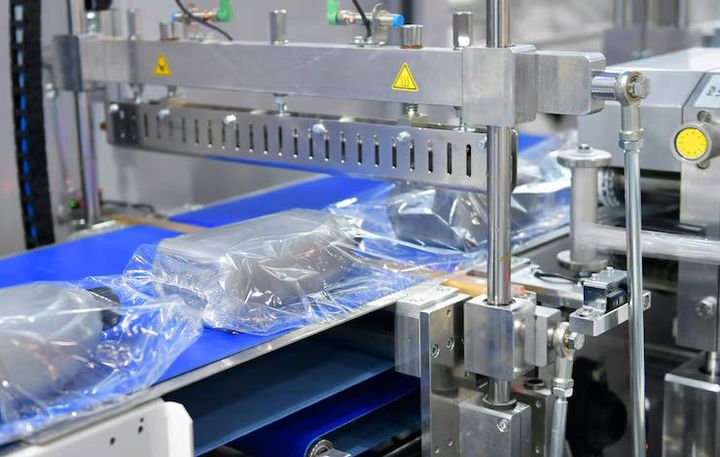
A MAP packaging machine generally performs several connected steps. Depending on the machine design, these can include placing the product into a tray, drawing out or controlling the existing atmosphere, introducing a selected gas mixture, sealing a barrier film, and checking package integrity.
How Modified Atmosphere Packaging Developed
Traditional food packaging primarily focused on containing products and protecting them from physical contamination. As food processing became more sophisticated, packaging technology developed methods for controlling the environment inside sealed packages.
Modified atmosphere packaging emerged from this progression. The principle is relatively simple: changing the gases surrounding a product can influence oxidation, respiration, moisture behavior, and the growth conditions experienced by microorganisms.
The exact atmosphere depends on the product. A fresh food product may require a different gas balance from a bakery product because each product has different biological and physical characteristics.
Main Components of a MAP System
A modern MAP machine can contain several important components:
- Product handling area for positioning products consistently
- Gas delivery system for introducing the selected atmosphere
- Vacuum or atmosphere-control equipment
- Sealing station for closing the package
- Film handling system for controlled packaging material movement
- Temperature-control equipment for consistent sealing
- Sensors and control systems for monitoring machine operation
- Inspection equipment for detecting certain packaging defects
The combination of these components allows MAP packaging machines to integrate packaging and atmosphere control into a repeatable production process.
Importance
Why MAP Packaging Matters
Packaging has an important role in maintaining product quality during storage and distribution. Oxygen can contribute to oxidation, color changes, flavor changes, and degradation of some sensitive ingredients, while moisture movement can affect texture.
Modified atmosphere packaging technology addresses some of these challenges by creating a controlled atmosphere around the packaged product. However, MAP does not replace refrigeration, hygienic handling, appropriate processing, or other food safety controls.
The effectiveness of MAP depends on the product, gas composition, package structure, temperature, sealing quality, and storage conditions. A packaging system therefore needs to be considered as part of the complete product-handling process.
Industries Using MAP Machines
MAP machines are used in various packaging environments. Common applications include:
- Meat and poultry packaging
- Seafood and fish packaging
- Fresh fruit and vegetables
- Cheese and dairy products
- Bakery and baked goods
- Ready-to-eat meals
- Processed foods
- Certain specialty food products
Different industries use different package formats and atmosphere requirements. A tray-sealing system may be suitable for prepared meals, while another application may require a specialized chamber or form-fill-seal arrangement.
Benefits and Practical Challenges
The main purpose of MAP is to control the environment inside a sealed package. Depending on the application, this can help maintain characteristics such as appearance, texture, aroma, and freshness for an appropriate storage period.
There are also practical challenges. Gas selection must match the product, packaging films must provide suitable barrier properties, and seals must remain intact throughout handling and distribution.
Incorrect atmosphere selection can produce undesirable results. For example, some products can react negatively to excessive carbon dioxide, while other products require controlled oxygen levels for maintaining their intended appearance.
MAP Machine Types
MAP equipment varies according to packaging format, production requirements, and product characteristics.
| MAP Machine Type | Typical Format | Common Application | Main Feature |
|---|---|---|---|
| Tray Sealer | Preformed trays | Prepared foods, meat, seafood | Seals film over trays |
| Chamber MAP Machine | Individual packages | Small and medium production | Atmosphere control inside chamber |
| Thermoforming MAP Machine | Formed packages | High-volume food packaging | Forms and seals packaging |
| Flow Packaging System | Flexible film | Bakery and prepared foods | Continuous packaging process |
| Automatic Tray Packaging System | Trays | Industrial food production | Integrated product handling |
| Vacuum MAP System | Sealed packs | Selected food products | Combines vacuum and gas control |
The appropriate configuration depends on package dimensions, product characteristics, film type, production speed, gas requirements, and automation level.
Recent Updates
Automation and Digital Controls
Recent developments in MAP machines have focused on automation, monitoring, and process consistency. Digital control interfaces can allow operators to adjust packaging parameters and monitor machine conditions through centralized systems.
Sensors can also provide information about sealing temperature, pressure, gas flow, machine status, and other operating conditions. This creates opportunities for more systematic process monitoring.
Improved Gas Management
Gas management has become an important area of packaging technology. Modern MAP systems can be designed to control gas injection more precisely, helping packaging operations maintain repeatable atmosphere conditions.
Gas analysis equipment can also be incorporated into packaging workflows. Measuring oxygen or other gas concentrations can provide information about whether the internal atmosphere is within the intended operating range.
Packaging Material Development
MAP performance is closely connected with packaging film and tray materials. Recent packaging development has emphasized barrier characteristics, material efficiency, recyclability considerations, and compatibility with automated equipment.
Packaging designers increasingly consider the entire system rather than treating the film, tray, gas mixture, and MAP machine as separate elements. Material selection must balance product protection, sealing behavior, mechanical performance, and applicable packaging requirements.
Smart Manufacturing Integration
MAP packaging machines are increasingly connected with broader production-control systems. Data collection can support production records, maintenance planning, quality monitoring, and equipment diagnostics.
Digital integration can also help identify variations in machine operation. These capabilities are part of a wider movement toward connected manufacturing, where packaging equipment communicates operational information to other production systems.
Laws or Policies
Food Packaging Requirements
MAP packaging is influenced by food safety and packaging regulations in the markets where packaged products are manufactured, distributed, or consumed. Requirements can cover food-contact materials, labeling, hygiene, storage conditions, traceability, and packaging claims.
Rules differ between jurisdictions, so packaging operators must follow the requirements applicable to their specific market and product category. MAP technology itself does not remove the need for compliance with food safety procedures.
Gas and Food-Contact Materials
The gases used in modified atmosphere packaging must be suitable for the intended application and handled according to applicable requirements. Packaging materials that contact food may also need to meet specific material-safety standards.
Operators should maintain appropriate documentation concerning packaging materials, gas specifications, equipment settings, and quality-control procedures. These records can support traceability and internal process management.
Labeling and Storage Information
Packaging labels can be subject to rules concerning product identity, ingredients, allergens, storage instructions, dates, and other information. Requirements vary depending on the product and market.
MAP packaging should therefore be considered alongside labeling and storage controls. A modified atmosphere does not mean that a product can automatically be stored under any temperature or handling condition.
Tools and Resources
Gas Analysis Equipment
Gas analyzers are useful for checking the atmosphere inside sealed packages. Depending on the equipment, measurements may include oxygen and carbon dioxide concentrations.
These measurements can help packaging teams evaluate whether the atmosphere corresponds with the intended packaging process.
Seal Testing Equipment
Seal integrity testing tools can help identify weaknesses, leaks, or inconsistencies in sealed packages. Testing methods vary according to the packaging format and material.
Consistent sealing is particularly important because an unintended leak can change the internal atmosphere and affect package performance.
Packaging Calculators and Templates
Packaging operations can use various digital tools for production calculations and process documentation. Useful resources may include:
- Gas consumption calculators
- Packaging material calculation sheets
- Production planning templates
- Seal inspection checklists
- Equipment maintenance schedules
- Quality-control records
- Packaging specification templates
- Gas composition calculation tools
These resources can help organize packaging information and establish repeatable operating procedures.
Machine Monitoring Platforms
Manufacturing monitoring platforms can collect operational information from connected MAP machines. Depending on the system, data can include production counts, machine status, alarms, temperatures, cycle information, and equipment performance indicators.
Such tools are increasingly relevant as food packaging operations move toward greater automation and digital recordkeeping.
FAQs
What is a MAP machine?
A MAP machine is packaging equipment that creates a controlled atmosphere inside a sealed package. It may remove or adjust existing air, introduce a selected gas mixture, and seal the package with suitable packaging material.
How does modified atmosphere packaging technology work?
Modified atmosphere packaging technology changes the gases surrounding a packaged product. Oxygen, nitrogen, carbon dioxide, or combinations of gases may be used depending on product characteristics and packaging requirements.
What products use MAP packaging machines?
MAP packaging machines are commonly associated with meat, seafood, dairy products, fresh produce, bakery products, prepared meals, and other packaged foods. The atmosphere and package format vary according to the product.
Does MAP packaging replace refrigeration?
No. MAP packaging does not replace appropriate refrigeration, hygienic handling, or food safety controls. Storage temperature and other handling conditions remain important for products that require controlled conditions.
What should be considered when selecting a MAP machine?
Important considerations include package format, product dimensions, required atmosphere, packaging film, sealing characteristics, production volume, automation requirements, gas consumption, quality monitoring, and applicable regulations.
Conclusion
MAP machines use controlled atmosphere technology to create packaging environments suited to different product requirements. Modified atmosphere packaging technology combines gas management, sealing, packaging materials, and process controls within a structured packaging operation. Recent developments have emphasized automation, digital monitoring, improved gas control, and packaging-material development. The technology must be used alongside appropriate food safety, storage, labeling, and packaging requirements.