Learn How Coffee Roasting Machines Improve Roasting Quality and Production Efficiency
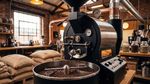
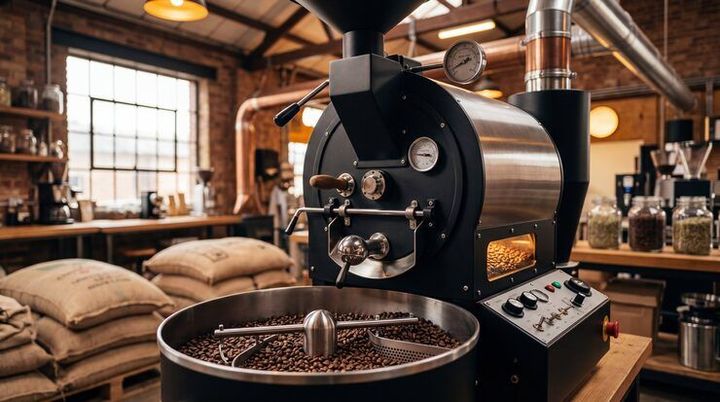
Coffee roasting machines are industrial and commercial systems designed to heat green coffee beans in a controlled environment until they develop the aroma, color, flavor, and physical characteristics associated with roasted coffee.
Roasting has traditionally involved manually monitoring heat, airflow, bean movement, and roasting time. Modern equipment combines these functions into a more controlled process.
The development of coffee roasting machines came from the need to make roasting more consistent as coffee production expanded. Small batches can be monitored manually, but larger production requires accurate temperature control and repeatable operating conditions. A machine helps manage these variables while allowing operators to observe the roasting process.
Different machines use different heating and airflow arrangements. Common designs include drum roasters, fluid-bed roasters, sample roasters, and larger automated roasting systems. Each design has different characteristics related to batch capacity, heat transfer, airflow, energy use, and control methods.
How the Roasting Process Works
During roasting, green coffee beans undergo several physical and chemical changes. Moisture is gradually removed, the beans expand, their color changes, and chemical reactions contribute to the development of aroma and flavor.
A simplified roasting sequence includes:
- Preheating the roasting chamber
- Loading measured green coffee beans
- Applying controlled heat
- Managing airflow and bean movement
- Monitoring temperature changes
- Developing the desired roast profile
- Cooling the roasted beans
Coffee roasting machines help control these stages through heating systems, fans, sensors, control panels, and cooling mechanisms.
Importance
Improving Roasting Consistency
One of the main reasons businesses use coffee roasting machines is process consistency. Coffee quality can change when roasting temperature, airflow, batch size, or timing varies significantly between batches.
Modern equipment allows operators to establish repeatable roasting profiles. A profile can include target temperatures, heating adjustments, airflow levels, and development periods. Repeating these parameters can make production easier to monitor and compare.
Consistency does not mean that every coffee requires the same profile. Different bean varieties, processing methods, moisture levels, densities, and desired roast levels can require different settings.
Increasing Production Efficiency
Production efficiency is another important consideration. Manual roasting can require continuous attention, particularly when several batches are being processed. Automated controls can reduce the amount of repetitive adjustment required during roasting.
Efficiency can be influenced by several factors:
- Batch capacity
- Heating system response
- Cooling speed
- Loading and unloading arrangements
- Temperature monitoring
- Automation features
- Cleaning requirements
- Energy management
A machine with suitable capacity can help coordinate roasting schedules and reduce unnecessary interruptions between batches.
Supporting Quality Control
Quality control begins before the beans enter the roasting chamber. Operators may examine bean size, moisture, density, origin, and processing characteristics. After roasting, they can evaluate color, aroma, flavor, physical appearance, and other characteristics.
Roasting machines contribute by recording or displaying process information. Temperature curves and other production data can help operators identify differences between batches and investigate possible causes.
For example, if two batches show different results despite using similar beans, recorded roasting information can help determine whether temperature development, airflow, batch size, or cooling conditions changed.
Reducing Process Variation
Variation can occur when roasting relies heavily on manual adjustments. A small change in heat application or timing may influence the final roast.
Digital controllers, programmable profiles, temperature sensors, and automated airflow controls can reduce some sources of variation. Operators still need to understand the roasting process because automation does not eliminate the need for appropriate settings and quality checks.
Recent Updates
Greater Use of Digital Controls
From 2024 through 2026, coffee roasting equipment has continued moving toward digital monitoring and automation. Touchscreen interfaces, programmable roasting profiles, electronic temperature monitoring, and data recording are increasingly common features across different equipment categories.
These systems allow operators to view roasting conditions during production and compare information from different batches. Some systems can also store profiles for repeated use.
Energy and Heat Management
Energy efficiency has become a more important consideration in roasting equipment. Manufacturers and operators are paying greater attention to heat recovery, insulation, burner control, airflow management, and overall energy consumption.
Heat management also affects the stability of the roasting environment. Better control of heat movement can help operators maintain a more predictable roasting process while managing energy requirements.
Connected Production Systems
Another current trend is greater integration between roasting machines and digital production systems. Depending on the equipment, data may be transferred to computers or production-management platforms for record keeping and analysis.
Connected systems can help organize information such as:
- Batch identification
- Roast profiles
- Temperature records
- Production quantities
- Roasting duration
- Operator adjustments
- Quality observations
This type of information can be useful when comparing production results over time.
Flexible Batch Sizes
Coffee businesses work with different production volumes, so equipment manufacturers continue developing machines across a broad range of capacities. Smaller systems can support sample roasting and limited production, while larger machines are designed for continuous or high-volume operations.
The appropriate capacity depends on production requirements, available space, workflow, ventilation arrangements, and the types of coffee being roasted.
Laws or Policies
Food Safety Requirements
Coffee roasting is part of the food production sector, so applicable food safety rules can influence equipment installation, operation, cleaning, storage, and production practices. Requirements differ by country and may also vary according to the size and type of food operation.
Operators generally need to maintain hygienic production areas and prevent contamination during handling, roasting, cooling, storage, and packaging.
Equipment Safety
Roasting machines operate at high temperatures and may include burners, electrical components, rotating parts, exhaust systems, and heated surfaces. Workplace safety requirements can therefore apply to installation and operation.
Depending on the jurisdiction, equipment may need to meet requirements related to:
- Electrical safety
- Gas or fuel systems
- Ventilation
- Fire prevention
- Exhaust management
- Machine guarding
- Workplace operating procedures
Local authorities or applicable regulatory bodies determine the specific requirements.
Environmental Considerations
Coffee roasting produces exhaust gases, smoke, chaff, and other emissions. Environmental requirements may therefore influence ventilation and exhaust-system design.
Larger roasting facilities may have additional requirements related to emissions management, energy use, waste handling, or building ventilation. Requirements should be checked according to the location and scale of the roasting operation.
Tools and Resources
Roast Profile Software
Roast profile software can help operators record temperature changes and compare batches. Graphs showing temperature development can make it easier to identify differences between roasting cycles.
Such software is particularly useful when a business wants to maintain organized production records.
Temperature Measurement Tools
Temperature sensors and probes are important components of many roasting systems. Independent measurement instruments may also be used for quality-control checks.
Common measurements include:
- Bean temperature
- Environmental temperature
- Rate of temperature change
- Roast duration
- Cooling duration
The exact measurements available depend on the machine design.
Coffee Roasting Calculators
Roasting calculators can assist with basic production planning. Depending on the tool, calculations may involve batch quantities, roasting ratios, production schedules, temperature changes, or estimated output.
These tools should be treated as planning aids rather than substitutes for direct process monitoring.
Data Tables for Production Planning
A simple production table can help organize roasting activities:
| Production Factor | Example Consideration |
|---|---|
| Batch capacity | Quantity processed per cycle |
| Roast duration | Total heating period |
| Cooling period | Time required after roasting |
| Temperature monitoring | Bean and chamber measurements |
| Airflow control | Adjustment during roasting |
| Profile storage | Saved settings for repeat batches |
| Quality checks | Color, aroma, flavor, and appearance |
Cleaning and Maintenance Records
Maintenance records can help track cleaning, inspection, calibration, and component replacement. Keeping these records can make it easier to identify changes in machine performance.
Regular attention to exhaust paths, cooling systems, sensors, moving components, and heat-related parts is particularly important for reliable operation.
FAQs
How do coffee roasting machines improve roasting quality?
Coffee roasting machines improve process control by regulating heat, airflow, bean movement, and roasting time. Consistent monitoring can reduce unwanted variation and help operators reproduce established roasting profiles.
What are the main types of coffee roasting machines?
Common types include drum roasters, fluid-bed roasters, sample roasters, and automated commercial roasting systems. Their differences include heating method, airflow design, batch capacity, automation, and cooling arrangements.
Can coffee roasting machines improve production efficiency?
Yes. Automated temperature controls, programmable profiles, larger batch capacities, and integrated cooling systems can reduce repetitive manual adjustments and help organize production cycles.
What should be monitored when using a coffee roasting machine?
Important factors include bean temperature, environmental temperature, airflow, roast duration, batch size, color development, and cooling performance. The specific measurements depend on the machine and roasting process.
Are coffee roasting machines subject to safety rules?
Yes. Roasting equipment can involve heat, fuel, electricity, rotating components, and exhaust gases. Applicable food safety, workplace safety, fire prevention, ventilation, and environmental requirements depend on the jurisdiction.
Conclusion
Coffee roasting machines provide controlled heating, airflow management, temperature monitoring, and cooling capabilities that support consistent roasting processes. Their role has expanded as coffee production has adopted more digital controls, data recording, automation, and energy-management techniques. Equipment selection and operation depend on factors such as batch capacity, roasting objectives, facility requirements, and applicable safety rules. Proper monitoring and organized production records remain important even when automated controls are used.