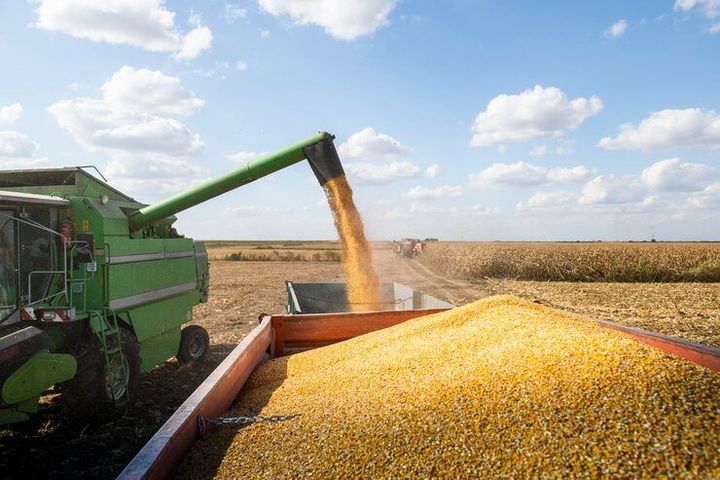
Grain Handling Equipment Overview With Modern Handling Technology and Engineering Information
Grain handling equipment refers to the machines and systems used to move, clean, dry, store, measure, and transfer grains between different stages of agricultural and industrial processing.
These systems are used for materials such as wheat, rice, corn, barley, oats, sorghum, and other cereal grains. Modern grain handling equipment combines mechanical machinery with sensors, control systems, conveyors, elevators, storage structures, and monitoring technology.
Grain handling developed from simple manual movement and basic mechanical lifting systems. As farms, grain storage facilities, mills, food processors, and distribution centers expanded, larger quantities of grain needed to be transferred efficiently between receiving areas, storage locations, processing equipment, and transportation systems.
A modern grain handling system can include several machines working together. Grain may arrive by truck or another transport method, pass through receiving equipment, move through cleaning and drying stages, and then enter storage. When required, conveyors and elevators can transfer the grain from storage to milling, processing, loading, or packaging areas.
The engineering of a grain handling system depends on grain characteristics, facility size, required throughput, moisture conditions, storage duration, available space, and the type of equipment being connected. Proper system planning also considers dust management, equipment access, electrical requirements, structural loads, and safe movement around machinery.
Main Types of Grain Handling Equipment
Different machines perform different material-handling tasks. Common equipment includes bucket elevators for vertical movement, belt conveyors for horizontal transport, screw conveyors for controlled movement, chain conveyors for heavier material flows, and pneumatic systems for certain specialized applications.
Other equipment can include:
Grain receiving hoppers for initial collection
Augers for controlled grain transfer
Bucket elevators for vertical lifting
Belt conveyors for horizontal movement
Drag or chain conveyors for enclosed transfer
Grain cleaners for removing unwanted material
Grain dryers for moisture reduction
Weighing systems for measuring material quantities
Storage bins and silos for holding grain
Dust collection systems for managing airborne particles
Each machine has a specific operating range. The equipment arrangement must therefore match the physical characteristics of the grain and the required movement path.
Grain Handling Process
A typical grain handling sequence begins with receiving. Grain enters a receiving pit, hopper, or unloading system and is transferred toward cleaning or temporary storage.
Cleaning can remove foreign material such as plant residue, stones, dust, and other unwanted particles. Depending on the operation, grain may then pass through drying equipment before entering long-term storage.
During storage, grain may be monitored for temperature and moisture conditions. When the grain is needed for processing or shipment, conveyors and elevators move it toward the appropriate destination.
Importance
Grain handling equipment plays an important role in agriculture and food processing because grain often needs to travel through several stages before reaching a mill, food production facility, warehouse, or final distribution point. Mechanical handling reduces the need for repeated manual movement of large quantities of material.
Efficient material flow also helps facilities organize receiving, cleaning, drying, storage, and processing activities. Equipment selection affects how quickly grain can move through a facility and how easily different stages can be coordinated.
Storage and Grain Quality
Storage conditions can influence grain quality over time. Moisture, temperature, insects, fungi, and physical damage are among the factors that need to be considered when grain is stored.
Grain handling equipment therefore works together with storage and monitoring systems. Aeration equipment can move air through stored grain where appropriate, while temperature sensors can provide information about conditions within storage structures.
Monitoring does not eliminate the need for physical inspection. Grain storage personnel may use sensor readings alongside established inspection procedures to identify conditions requiring attention.
Material Flow and Facility Design
A grain handling facility needs a logical movement path. Equipment may be arranged vertically, horizontally, or through a combination of both approaches.
A typical flow may include:
Receiving
Preliminary inspection
Cleaning
Drying
Temporary holding
Long-term storage
Transfer to processing
Weighing
Loading or packaging
Facility design also needs adequate space around machinery. Maintenance access, inspection areas, electrical panels, walkways, ladders, and emergency routes should be considered during planning.
Dust and Workplace Conditions
Moving dry grain can generate dust. Grain dust can affect air quality and, under certain conditions, create combustible atmospheres. For this reason, dust collection, ventilation, housekeeping, equipment enclosure, and ignition-source control are important considerations in grain handling facilities.
The exact approach depends on the grain, building, equipment, and applicable safety requirements. Dust management should be treated as an integral part of system engineering rather than as a separate activity.
Recent Updates
From 2024 through 2026, grain handling technology has continued moving toward automation, sensor-based monitoring, improved energy management, digital control systems, and connected equipment. The broader direction is toward collecting more information from equipment while reducing unnecessary manual intervention.
Automated Grain Handling
Modern grain handling systems can use programmable controllers to coordinate conveyors, elevators, gates, fans, dryers, and other equipment. Automated sequences can determine when particular machines start or stop based on predefined operating conditions.
Sensors can detect grain presence, conveyor movement, temperature, moisture, motor conditions, and other parameters. Information can then be displayed through control panels or centralized monitoring platforms.
Automation can also help coordinate multiple pieces of equipment. For example, a conveyor may be prevented from running under certain conditions if a downstream machine is not ready to receive material.
Grain Monitoring Technology
Digital sensors are increasingly used to monitor storage and handling conditions. Temperature sensors can identify changes within stored grain, while moisture measurement systems can provide information about grain condition during processing.
Some systems combine sensor information with historical records. This can help operators compare current readings with previous conditions and investigate unusual patterns.
Remote monitoring is also becoming more common in connected agricultural and industrial environments. Depending on the system architecture, authorized personnel may be able to review equipment status from centralized dashboards.
Energy Management
Grain drying can require significant thermal energy, while conveyors, fans, elevators, and ventilation equipment require electrical power. Modern engineering increasingly considers energy consumption when designing complete grain handling systems.
Variable-speed drives can adjust motor speed in applications where variable operation is appropriate. Automated controls can also coordinate fans, conveyors, and other equipment according to process requirements.
Energy monitoring systems can provide information about equipment demand. This data can support broader facility analysis without changing the basic purpose of the grain handling process.
Improved System Integration
Modern grain facilities may connect receiving equipment, storage monitoring, conveyors, dryers, weighing systems, and warehouse software through industrial communication networks.
Integration can provide a more complete view of material movement. Production information, inventory records, equipment status, and maintenance information can be connected where compatible systems and communication protocols are available.
Laws or Policies
Grain handling facilities are influenced by agricultural, food safety, environmental, workplace safety, machinery, electrical, and building requirements. The exact rules depend on the country, grain type, facility activities, and local regulatory framework.
Food and Grain Safety
Facilities handling grain intended for food production may need procedures covering cleanliness, contamination prevention, storage conditions, pest management, traceability, and quality control.
Food safety systems can include hazard analysis and documented procedures for receiving, processing, storage, and transportation. Requirements vary according to the intended use of the grain and the applicable regulatory framework.
Machinery and Workplace Safety
Grain elevators, conveyors, augers, dryers, fans, and other machinery contain moving components that can create mechanical hazards. Safety provisions can include machine guarding, emergency stops, access controls, warning systems, and appropriate operating procedures.
Maintenance activities may require isolation of electrical, mechanical, hydraulic, pneumatic, or thermal energy. Workers should follow the procedures established for the particular equipment and facility.
Dust and Environmental Controls
Grain dust management is an important safety consideration. Facilities may use dust collection systems, ventilation, enclosed transfer points, housekeeping programs, and controls designed to reduce ignition risks.
Environmental requirements can also address wastewater, emissions, noise, waste materials, and energy use. The applicable requirements depend on the facility and jurisdiction.
Tools and Resources
Engineering a grain handling system requires several types of technical information. Equipment specification sheets provide details about capacity, dimensions, motor requirements, material characteristics, conveyor configurations, and operating conditions.
Flow diagrams can show how grain moves between receiving, cleaning, drying, storage, and processing stages. Facility-layout software can help planners examine equipment locations, access paths, storage areas, and maintenance clearances.
Useful resources include:
Grain flow diagrams
Conveyor capacity calculators
Equipment specification sheets
Grain storage monitoring records
Moisture measurement tools
Temperature monitoring systems
Electrical load calculations
Dust collection design information
Preventive maintenance schedules
Equipment inspection checklists
Facility layout software
Industrial control platforms
A simplified comparison of common grain handling equipment is shown below:
| Equipment | Main Function | Typical Movement |
|---|---|---|
| Bucket Elevator | Vertical grain transfer | Vertical |
| Belt Conveyor | Continuous material movement | Horizontal or inclined |
| Screw Conveyor | Controlled grain transfer | Horizontal or inclined |
| Chain Conveyor | Enclosed bulk movement | Horizontal |
| Grain Hopper | Temporary material collection | Receiving |
| Grain Cleaner | Foreign material removal | Processing |
| Grain Dryer | Moisture reduction | Processing |
| Storage Silo | Grain storage | Vertical storage |
| Dust Collector | Airborne particle management | Air handling |
Engineering calculations may also be used to determine conveyor capacity, motor requirements, storage volume, airflow, drying requirements, structural loading, and equipment spacing.
Digital monitoring platforms can bring information from several machines into a central interface. When integrating different equipment, planners need to consider communication protocols, sensor compatibility, data formats, and control-system architecture.
FAQs
What is grain handling equipment?
Grain handling equipment includes machines used to receive, clean, dry, transfer, weigh, monitor, and store grain. Common examples include bucket elevators, conveyors, augers, grain hoppers, dryers, cleaners, and storage systems.
What are the main types of grain handling equipment?
Common types include bucket elevators, belt conveyors, screw conveyors, chain conveyors, grain hoppers, cleaners, dryers, weighing systems, storage silos, and dust collection equipment. Each type performs a specific material-handling function.
How does modern grain handling technology use automation?
Automated grain handling technology can use sensors, programmable controllers, motor controls, and digital monitoring systems to coordinate equipment. These systems can track selected operating conditions and control predefined material-flow sequences.
Why is dust control important in grain handling?
Grain movement can generate airborne dust. In certain conditions, accumulated or suspended grain dust can create significant workplace hazards, so facilities may use ventilation, dust collection, housekeeping, equipment enclosure, and ignition-source controls.
What factors affect grain handling equipment selection?
Important factors include grain type, moisture level, material characteristics, required throughput, transfer distance, vertical lift, storage capacity, facility layout, energy requirements, maintenance access, dust management, and applicable safety requirements.
Conclusion
Grain handling equipment combines conveyors, elevators, hoppers, cleaners, dryers, storage systems, monitoring devices, and control technology to move grain through agricultural and industrial processes. Modern systems increasingly use automation, sensors, digital monitoring, and integrated controls to coordinate material movement and storage conditions. Engineering decisions also need to account for grain characteristics, facility layout, dust management, energy use, maintenance access, and applicable regulations. The final system configuration depends on the type of grain, operating environment, storage requirements, and intended processing flow.