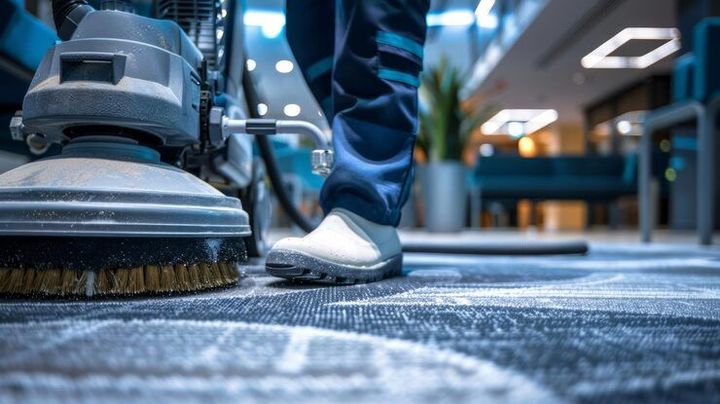
Floor Maintenance Services Explained With Cleaning Methods, Equipment, and Care Tips
Floor maintenance involves the regular cleaning, inspection, protection, and care of flooring materials to maintain their appearance, cleanliness, and functionality. It applies to residential buildings, offices, schools, hospitals, retail spaces, warehouses, factories, and other indoor environments.
Different flooring materials require different cleaning methods because their surfaces vary in hardness, porosity, moisture resistance, and sensitivity to chemicals.
Traditional floor care relied heavily on sweeping, water, brushes, and manual scrubbing. As buildings became larger and flooring materials more diverse, mechanical equipment and specialized cleaning products became increasingly common. Modern floor maintenance combines routine cleaning with periodic deep cleaning, surface polishing, protective treatments, and repairs when necessary.
The main purpose of a floor maintenance plan is to manage dirt, dust, stains, moisture, and surface wear before they create larger problems. An appropriate approach depends on the floor material, the amount of daily foot traffic, the surrounding environment, and the cleaning resources available.
Common Types of Flooring
Flooring materials influence the equipment, cleaning products, and maintenance frequency required for a building. Understanding these differences helps prevent surface damage and unnecessary wear.
Ceramic and porcelain tiles are generally resistant to moisture and can usually be cleaned with suitable neutral detergents.
Natural stone, including marble and limestone, may react to acidic cleaners and often requires material-specific products.
Hardwood floors are sensitive to excessive moisture and may need specialized cleaners and periodic protective treatments.
Vinyl and laminate flooring generally require controlled moisture and products compatible with their surface finishes.
Concrete floors are common in industrial environments and may need mechanical scrubbing, dust control, or protective coatings.
Importance
Floor maintenance matters because flooring affects cleanliness, accessibility, indoor comfort, and the everyday operation of a building. Dust, spilled liquids, grease, and loose debris can create slipping hazards or contribute to an unpleasant indoor environment. Regular care helps manage these conditions while reducing the likelihood of avoidable surface deterioration.
Different buildings also face different maintenance challenges. Homes may experience food spills, tracked-in dirt, and pet-related messes, while offices often accumulate dust, shoe marks, and debris around entrances. Warehouses and manufacturing facilities may encounter oil residues, heavy equipment marks, and dust generated by materials handling.
Who Benefits From Proper Floor Care
Floor maintenance is relevant to several groups of building users and operators.
Homeowners and residents need suitable cleaning routines for kitchens, bathrooms, bedrooms, and shared living areas.
Facility managers coordinate cleaning schedules, equipment use, inspections, and maintenance records across larger buildings.
Commercial property operators manage entrance areas, corridors, reception spaces, and other locations with frequent foot traffic.
Industrial operators address dust, grease, chemical residues, and wear associated with production activities.
Educational and healthcare facilities require cleaning procedures appropriate to hygiene needs, surface materials, and operational conditions.
Problems Addressed by Regular Maintenance
Accumulated dirt can act as an abrasive material, gradually wearing down certain floor finishes when it is repeatedly walked across the surface. Spills can leave stains, cause discoloration, or create slippery areas if they are not managed appropriately. Excessive water may damage wood, penetrate unsealed surfaces, or affect flooring adhesives.
A planned routine helps identify these problems early. Daily cleaning addresses loose debris and fresh spills, while periodic inspection can reveal damaged grout, loose tiles, worn coatings, or areas that require more intensive attention.
Recent Updates
Floor maintenance practices increasingly emphasize equipment efficiency, controlled chemical use, improved indoor air quality, and documented cleaning procedures. Current developments include automated floor-cleaning machines, battery-powered equipment, microfiber materials, and digital systems for coordinating cleaning schedules. These approaches are particularly relevant to large buildings where consistent coverage and staff coordination are important.
Automation and Smart Cleaning Equipment
Robotic floor scrubbers and autonomous cleaning machines can navigate designated areas, follow programmed routes, and perform repetitive cleaning tasks. Depending on the model, sensors may help detect obstacles, map indoor spaces, and adjust movement around people or furniture.
These machines still require supervision, maintenance, and appropriate operating conditions. Their performance depends on floor layout, debris levels, battery capacity, water management, and the accuracy of their navigation systems.
Water and Chemical Management
Modern floor care increasingly focuses on using the correct quantity of cleaning solution and avoiding unnecessary water consumption. Concentrated cleaning products, controlled dispensing systems, microfiber pads, and efficient scrubbers can help manage resource use when operated correctly.
Chemical selection remains important. A product suitable for sealed ceramic tiles may be inappropriate for untreated wood or natural stone. Product labels, safety instructions, and manufacturer guidance remain essential when selecting and applying cleaning agents.
Current Maintenance Approaches
Approach | Primary purpose | Typical application |
|---|---|---|
Dry sweeping or dust mopping | Remove loose dirt and dust | Homes, offices, corridors |
Damp mopping | Remove light surface soil | Tile, vinyl, compatible sealed floors |
Mechanical scrubbing | Remove embedded dirt and residue | Large commercial and industrial floors |
Spray buffing or polishing | Maintain compatible floor finishes | Selected coated or finished floors |
Carpet extraction | Remove soil from carpet fibers | Offices, hotels, residential rooms |
Protective coating | Reduce wear or improve surface protection | Suitable concrete and other compatible floors |
The appropriate method depends on the flooring material and its finish. Polishing, coating, or intensive scrubbing should not be applied automatically to every surface because some materials can be scratched, discolored, or otherwise damaged.
Laws or Policies
Floor maintenance is influenced by building safety requirements, workplace health and safety rules, environmental controls, and chemical-handling regulations. The specific requirements depend on the country, building type, activities performed, and products used.
In India, relevant frameworks may include the Occupational Safety, Health and Working Conditions Code, 2020, and applicable rules governing workplace safety, depending on their commencement, implementation, and applicability. The Environment (Protection) Act, 1986, and associated rules may also be relevant to environmental management and the handling or disposal of regulated substances. Requirements should be checked against current official guidance and the rules applicable to the particular facility.
Workplace Safety and Slip Prevention
Cleaning activities can create temporary hazards, particularly when wet floors are located in entrances, corridors, stairways, or production areas. Appropriate precautions include warning signs, controlled access to wet areas, suitable footwear, and procedures for managing spills.
Workplace operators may also need to maintain equipment, provide appropriate protective equipment, and train workers in safe handling practices. Requirements vary according to the workplace and the substances involved.
Chemical Handling and Waste Disposal
Cleaning chemicals should be stored in suitable containers, labeled correctly, and kept according to product instructions. Workers should understand relevant hazard information and avoid mixing incompatible products, especially substances containing bleach with acids or ammonia-based cleaners.
Wastewater, chemical containers, and contaminated residues must be managed according to applicable local requirements. Industrial facilities may face additional obligations when cleaning activities involve oils, hazardous substances, or process-related contaminants.
Accessibility and Building Management
Building operators should also consider safe movement for people using mobility aids, wheelchairs, or walking supports. Cleaning schedules should minimize unnecessary obstructions, while floors should be maintained without loose mats, damaged edges, or slippery residues that interfere with movement.
Tools and Resources
Floor maintenance combines basic hand tools, mechanical equipment, cleaning products, inspection methods, and planning resources. The appropriate selection depends on the floor area, surface type, cleaning frequency, available storage, and the level of contamination.
Essential Cleaning Equipment
Common equipment includes:
Brooms and dustpans for collecting loose debris.
Microfiber mops and compatible mop heads for routine surface cleaning.
Wet and dry vacuum cleaners for suitable debris and liquid collection.
Automatic floor scrubbers for larger hard-surface areas.
Floor buffers and polishers for compatible finishes.
Carpet extraction machines for appropriate textile flooring.
Measuring containers and dispensing systems for accurate cleaning-solution preparation.
Warning signs and suitable protective equipment for safe cleaning operations.
Equipment capacity should match the working environment. A compact mop system may be sufficient for a small room, while a large warehouse may require ride-on scrubbers and planned routes that minimize disruption.
Selecting Cleaning Products
Cleaning products should be selected according to the flooring manufacturer's instructions. Neutral-pH cleaners are often suitable for routine maintenance on compatible sealed surfaces, while specialized products may be needed for grease, mineral deposits, or specific stains.
Before applying a new product across a large area, testing it in a small, inconspicuous location can help identify potential discoloration or surface damage. Correct dilution, contact time, rinsing requirements, and ventilation should follow the product label.
Maintenance Planning and Inspection
A floor maintenance schedule organizes recurring tasks and identifies areas that require additional attention. A simple maintenance checklist can include the following items:
Inspect floors for loose debris, spills, stains, and visible damage.
Identify high-traffic areas that need more frequent cleaning.
Confirm that cleaning equipment is functioning properly.
Record completed tasks and any unusual surface conditions.
Schedule periodic deep cleaning according to material requirements.
Review recurring problems and adjust cleaning methods where appropriate.
Digital spreadsheets, facility-management platforms, and equipment manuals can help organize these activities. Maintenance records are particularly useful in larger buildings because they provide information about cleaning frequency, recurring damage, equipment performance, and areas requiring repairs.
Choosing a Suitable Maintenance Method
Floor material | Routine approach | Important precaution |
|---|---|---|
Ceramic tile | Sweep and damp mop | Clean grout with compatible products |
Marble | Dust mop and use a stone-safe cleaner | Avoid acidic cleaning agents |
Hardwood | Dry dusting and controlled damp cleaning | Prevent standing water |
Vinyl | Sweep and use an approved floor cleaner | Avoid abrasive pads unless permitted |
Laminate | Dust and use a lightly damp mop | Prevent moisture from entering joints |
Concrete | Sweep, vacuum, or mechanically scrub | Select chemicals compatible with coatings |
These methods are general guidelines rather than universal instructions. Surface sealants, coatings, installation methods, and manufacturer recommendations can change the appropriate maintenance procedure.
FAQs
What Does Floor Maintenance Include?
Floor maintenance includes routine cleaning, spill removal, periodic deep cleaning, surface inspection, and suitable protective treatments. The exact activities depend on the flooring material and how frequently the area is used.
How Often Should Floors Be Cleaned?
High-traffic areas may require daily or more frequent cleaning, while lightly used rooms may need less frequent attention. Spills should be addressed promptly, and deeper cleaning should follow the floor manufacturer's recommendations and the building's hygiene requirements.
Which Equipment Is Used for Floor Maintenance?
Common equipment includes brooms, microfiber mops, vacuum cleaners, automatic scrubbers, floor buffers, and carpet extraction machines. Equipment selection depends on the floor type, area size, and nature of the dirt.
How Can Floor Maintenance Prevent Surface Damage?
Regular removal of grit and debris reduces abrasive wear, while appropriate cleaning products help prevent chemical damage. Controlling moisture and inspecting damaged grout, coatings, and joints can also help identify problems before they become more extensive.
What Are the Main Floor Cleaning Safety Precautions?
Important precautions include placing warning signs around wet areas, using suitable protective equipment, following chemical labels, and preventing access to hazardous cleaning zones. Workers should also avoid mixing incompatible chemicals and use equipment according to its instructions.
Conclusion
Floor maintenance combines regular cleaning, suitable equipment, surface inspection, and material-specific care. Cleaning frequency and methods depend on foot traffic, flooring composition, environmental conditions, and hygiene requirements. Safe chemical handling and appropriate workplace procedures are important parts of an effective maintenance plan. Consistent records and inspections help building operators understand recurring cleaning needs and identify developing surface problems.