Candy Wrapping Machines Guide With High-Speed Packaging Systems and Manufacturing Solutions
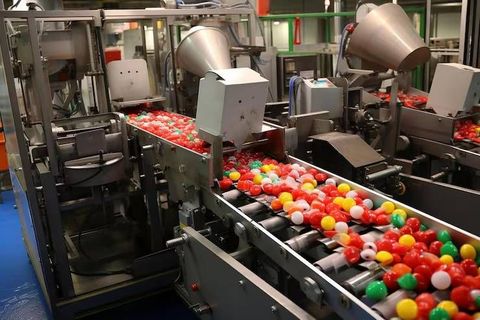
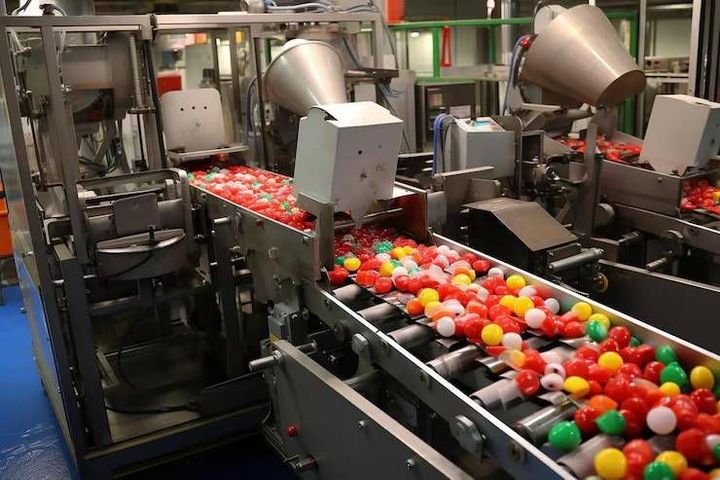
Candy wrapping machines are industrial packaging systems designed to enclose individual candies or groups of confectionery products in protective packaging materials.
They are used in confectionery manufacturing facilities, food processing plants, and packaging operations where consistent wrapping, product protection, and organized production are important.
These machines developed alongside the growth of confectionery manufacturing and the demand for packaged sweets with uniform appearance and reliable handling. As production volumes increased, manual wrapping became less practical for many manufacturers, encouraging the development of mechanical systems that could feed, wrap, seal, and discharge products in a controlled sequence.
Modern candy wrapping machines range from compact equipment for small production runs to automated, high-speed packaging systems integrated into continuous manufacturing lines. Their design depends on the candy's shape, dimensions, texture, packaging material, and required production rate.
Common Types of Candy Wrapping Machines
Different confectionery products require different wrapping methods. A machine designed for a hard candy may not be suitable for a soft caramel, chocolate piece, or irregularly shaped sweet.
Common types include:
Twist wrapping machines, which fold packaging material around a candy and twist the ends to secure it.
Flow wrapping machines, which form a continuous film around products and seal the package along its length and ends.
Fold wrapping machines, which fold paper or film around individual pieces in a defined pattern.
Pillow-pack machines, which create sealed packages with a shape resembling a small pillow.
Automatic feeding and wrapping systems, which coordinate product orientation, feeding, wrapping, and discharge.
Multi-lane packaging machines, which process several product streams simultaneously when the product and packaging design permit.
Main Components and Operating Principles
A typical candy wrapping machine includes a product feeding mechanism, a wrapping material supply, a forming or folding unit, sealing components where required, and a discharge conveyor. Sensors and control systems coordinate these parts to maintain timing and detect certain operating problems.
The general operating sequence involves feeding candies into the machine, positioning each piece, applying the packaging material, completing the wrap, and transferring the finished packages to the next production stage. Depending on the equipment, additional functions may include counting, inspection, printing, and rejection of incorrectly packaged products.
Importance
Improving Production Consistency
Candy wrapping machines help manufacturers maintain consistent packaging across large production batches. Mechanical feeding and controlled wrapping movements can reduce variation in package shape, alignment, and closure compared with processes that depend entirely on manual handling.
Automation also helps production teams coordinate packaging with upstream processes such as candy forming, cooling, and sorting. When equipment operates at compatible speeds, products can move through the manufacturing line with fewer unnecessary interruptions.
Protecting Confectionery Products
Packaging protects candies from handling damage, dust, moisture exposure, and other environmental influences. The appropriate material and closure method depend on the product's composition, storage conditions, and expected distribution environment.
Chocolate and soft confectionery may require more careful temperature management than some hard candies. Packaging alone cannot prevent every form of deterioration, so storage conditions, product formulation, and handling practices remain important.
Supporting Different Manufacturing Requirements
Candy manufacturers vary in production volume, product variety, and packaging specifications. A small facility may need equipment that allows quick changes between product sizes, while a large operation may prioritize continuous feeding and integration with automated inspection systems.
Important selection considerations include:
Product shape, size, weight, and surface characteristics.
Required output rate and expected operating hours.
Film or paper compatibility.
Seal strength and package appearance.
Changeover time between product types.
Cleaning access and maintenance requirements.
Integration with conveyors, counters, and inspection equipment.
Comparing Common Packaging Systems
Machine type | Typical application | Main consideration |
|---|---|---|
Twist wrapping machine | Hard candies and selected chewy sweets | Reliable end twisting |
Flow wrapping machine | Bars, individual sweets, and grouped products | Film feeding and seal quality |
Fold wrapping machine | Confectionery requiring folded presentation | Accurate folding and alignment |
Multi-lane wrapper | Multiple pieces processed in parallel | Consistent feeding across lanes |
Integrated automatic line | Continuous confectionery production | Coordination between machines |
Actual performance depends on product characteristics, machine configuration, packaging material, and operating conditions.
Recent Updates
Automation and High-Speed Packaging Systems
During 2024–2026, confectionery packaging development has continued to emphasize automation, improved production monitoring, and more flexible equipment configurations. These developments reflect manufacturers' interest in coordinating packaging operations with changing product ranges and production requirements.
High-speed packaging systems can use servo-driven mechanisms to control movement and timing. Compared with less flexible mechanical arrangements, these controls can make it easier to adjust certain operating parameters, although the practical benefits depend on the specific machine design.
Automated product feeding and synchronized conveyors can also reduce interruptions caused by inconsistent product positioning. However, increasing speed without suitable feeding, sealing, and inspection capacity may increase rejected packages or cause equipment stoppages.
Digital Monitoring and Quality Inspection
Modern packaging lines may incorporate human-machine interfaces, programmable logic controllers, sensors, and production monitoring software. Operators can use these systems to adjust settings, review alarms, monitor operating conditions, and identify recurring interruptions.
Machine vision systems can inspect selected package features, such as product presence, print alignment, and visible defects. Their effectiveness depends on camera placement, lighting, inspection criteria, and the characteristics of the packaging material.
Packaging Material Developments
Manufacturers continue to evaluate recyclable films, paper-based packaging, and material structures designed to reduce unnecessary packaging. The suitability of each option depends on the candy, the required moisture or oxygen barrier, sealing characteristics, and the conditions expected during transportation and storage.
Changing materials may require adjustments to temperature, pressure, sealing time, or film tension. A material that performs well on one wrapping machine may not run reliably on another without suitable equipment settings or modifications.
Laws or Policies
Food Packaging and Hygiene Requirements
Candy wrapping machines used in commercial food production must be selected and operated with applicable food safety and hygiene requirements in mind. Depending on the country, rules may address equipment cleanliness, contamination prevention, food-contact materials, manufacturing practices, and traceability.
Surfaces that contact confectionery should be suitable for the intended application and compatible with the facility's cleaning procedures. Equipment design should also allow operators to identify and manage product residue, packaging debris, and other potential contamination sources.
Machinery Safety
Industrial wrapping equipment can contain moving belts, rollers, cutting mechanisms, heated sealing units, and other components that create hazards. Applicable workplace safety rules may require guarding, emergency stops, safe access arrangements, and appropriate operator training.
Maintenance and cleaning procedures should account for electrical isolation, residual heat, stored mechanical energy, and unexpected machine movement. Specific requirements depend on the equipment design and the jurisdiction in which it operates.
Packaging Labels and Material Claims
Finished candy packages may need to display ingredient information, allergen declarations, net quantity, manufacturer details, batch identification, or other information required by local law. Labeling requirements vary by market and product category.
Environmental claims concerning recyclable or compostable packaging should reflect the material's actual characteristics and the relevant disposal conditions. Manufacturers should avoid unsupported statements about packaging performance or environmental benefits.
Tools and Resources
Production Planning and Machine Evaluation
Manufacturers can use production calculators and equipment specifications to estimate whether a candy wrapping machine suits their production requirements. Calculations should account for actual operating conditions rather than relying only on the advertised maximum speed.
For example, if a machine processes 300 candies per minute, its theoretical output over a 60-minute period is 18,000 candies. Actual production may be lower because of product feeding interruptions, changeovers, cleaning, rejected packages, and maintenance.
A simple comparison of key operating measures can help explain these differences:
Measure | What it indicates | Why it matters |
|---|---|---|
Rated speed | Specified maximum processing rate | Establishes a reference point |
Actual output | Completed packages per unit of time | Reflects operating performance |
Reject rate | Share of packages that fail inspection | Indicates quality problems |
Changeover time | Time required to switch products | Affects production flexibility |
Material consumption | Packaging material used per output unit | Helps assess packaging efficiency |
Unplanned downtime | Time lost to unexpected interruptions | Shows operational reliability |
Maintenance and Troubleshooting Resources
Equipment manuals, electrical diagrams, maintenance schedules, and spare-parts lists help operators understand machine requirements. Routine checks may include examining film tension, cleaning product-contact areas, inspecting sealing components, and checking sensors.
Common operating problems include film misalignment, incomplete seals, inconsistent wrapping, product jams, and incorrect feeding. Troubleshooting should begin with the manufacturer's documented procedures and the relevant safety precautions.
Packaging Tests and Quality Records
Packaging tests can assess seal integrity, wrap consistency, package dimensions, and resistance to handling. Depending on the product, manufacturers may also need to evaluate moisture protection, oxygen transmission, or compatibility between the packaging material and the confectionery.
Production records can track output, rejected packages, material changes, cleaning activities, and equipment interruptions. Reviewing these records helps identify recurring problems and evaluate whether adjustments have improved line performance.
FAQs
What is a candy wrapping machine used for?
A candy wrapping machine encloses individual candies or groups of confectionery products in packaging material. Depending on its design, it can feed, position, wrap, seal, and discharge products automatically or semi-automatically.
Which candy wrapping machine is suitable for high-speed packaging?
The appropriate machine depends on candy dimensions, product texture, packaging material, and production requirements. Flow wrapping, twist wrapping, and multi-lane systems serve different applications, so rated speed alone does not determine suitability.
What packaging materials do candy wrapping machines use?
Depending on the machine and product, materials may include flexible plastic films, laminates, paper-based materials, or specialized food-contact packaging structures. Material selection depends on barrier requirements, sealing behavior, product protection, and applicable regulations.
How can candy wrapping machine efficiency be measured?
Efficiency can be assessed through actual output, rejected package rates, downtime, changeover time, and packaging material consumption. These measures provide a more complete picture than maximum rated speed alone.
What maintenance does an automatic candy wrapping machine require?
Maintenance commonly includes cleaning, inspection of moving components, checking sensors, reviewing sealing performance, and following scheduled lubrication or replacement procedures. Exact requirements depend on the machine model and manufacturer instructions.
Conclusion
Candy wrapping machines support confectionery manufacturing through controlled feeding, consistent wrapping, and integration with automated packaging systems. Equipment selection depends on candy characteristics, packaging materials, production targets, hygiene requirements, and machinery safety. Developments in digital monitoring, automated inspection, and packaging materials continue to influence equipment design. Regular maintenance, production monitoring, and appropriate quality checks remain important for reliable packaging operations.