Explore Plastic Flake Pelletizing Machines With Modern Plastic Processing Solutions
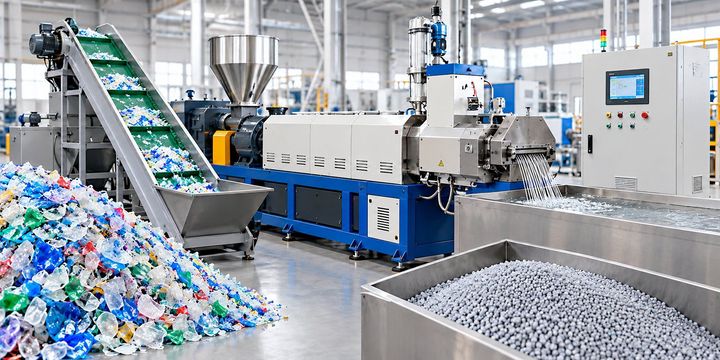
Plastic flake pelletizing machines are industrial systems designed to convert processed plastic flakes into small, uniform pellets that can be used in manufacturing.
These machines play an important role in plastic recycling and material recovery by transforming suitable plastic waste into a more manageable form for further processing.
Plastic flakes are produced by shredding or grinding plastic products into smaller pieces. Depending on the source material, the flakes may require washing, drying, sorting, and contamination removal before entering a pelletizing line. The pelletizing process then uses heat, mechanical movement, filtration, and cutting to create pellets with properties suitable for specific applications.
Modern plastic processing solutions often combine several stages into one coordinated production line. These stages may include material feeding, extrusion, melt filtration, pellet cutting, cooling, and collection. The configuration depends on the plastic type, contamination level, required output, and intended use of the recycled material.
How the Pelletizing Process Works
A plastic flake pelletizing machine generally follows a sequence of operations. First, prepared flakes enter the feeding system, which moves material into an extruder. A rotating screw transports the material through a heated barrel, where compatible thermoplastics soften and melt.
The molten plastic passes through a filtration system that removes certain solid contaminants. It then moves through a die, which shapes the melt into strands or other forms before cutting equipment produces pellets. Depending on the machine design, the pellets may be cooled by water, air, or another controlled method.
The finished pellets are collected for storage, testing, or further manufacturing. Their quality depends on the incoming material, processing temperature, filtration efficiency, moisture level, and control of the extrusion process.
Types of Plastic Flake Pelletizing Systems
Different plastic materials and production conditions require different equipment configurations.
Single-screw pelletizing machines: These use one rotating screw to transport and melt plastic. They are commonly used for relatively consistent materials and established recycling processes.
Twin-screw pelletizing machines: These use two screws to provide mixing and material movement. Depending on the screw arrangement, they can support blending, compounding, and processing of selected recycled materials.
Water-ring pelletizing systems: These cut molten plastic at the die face, with water helping cool and transport the pellets.
Strand pelletizing systems: These form molten plastic into strands, which are cooled and then cut into pellets.
Underwater pelletizing systems: These cut the molten material at the die face within a water-filled cutting chamber and are used for suitable materials and production requirements.
The correct system depends on polymer characteristics, production capacity, pellet specifications, and the condition of the incoming flakes.
Importance
Supporting Plastic Recycling and Material Recovery
Plastic flake pelletizing machines help connect recycling operations with manufacturing processes. Plastic waste that has been properly collected, sorted, and processed can be converted into pellets for use in selected plastic products, reducing the need to handle irregular flakes during subsequent manufacturing.
This process can support the recovery of materials from packaging, household products, industrial scrap, and manufacturing offcuts. However, not every type of plastic can be processed together, and some waste streams require specialized treatment or cannot be recycled effectively through conventional melt processing.
Improving Material Handling and Production Consistency
Plastic flakes vary in shape, size, bulk density, and moisture content. Pellets provide a more consistent feed form for many downstream processes, including injection molding, extrusion, and selected compounding operations.
Uniform pellet size can help with storage, transport, feeding, and material measurement. Nevertheless, consistent appearance does not automatically mean that the pellets have suitable mechanical strength, purity, or thermal properties.
Reducing Processing Challenges
Recycling facilities must manage contamination, moisture, mixed polymers, and changes in incoming material quality. A properly configured pelletizing line can address some of these challenges through controlled melting, filtration, venting, and temperature regulation.
Common problems include blocked filters, unstable extrusion, uneven pellet size, excessive material degradation, and inconsistent output. Effective process monitoring and appropriate equipment selection help operators identify these issues and maintain more stable production conditions.
Applications Across Industries
Recycled plastic pellets may be used in different industries, depending on their composition and quality.
Industry | Potential application | Important material consideration |
|---|---|---|
Packaging | Selected non-food packaging products | Polymer purity and regulatory suitability |
Construction | Pipes, profiles, and selected components | Strength and long-term performance |
Automotive | Certain interior or non-critical components | Consistent material properties |
Household products | Containers and molded articles | Color, durability, and cleanliness |
Agriculture | Selected plastic films and equipment | Weather resistance and polymer compatibility |
Industrial manufacturing | Molded parts and extruded profiles | Melt behavior and processing stability |
Applications depend on technical testing and relevant regulations. Recycled pellets are not automatically suitable for food-contact products, safety-critical components, or every application associated with their original polymer.
Recent Updates
Automation and Process Monitoring
During 2024–2026, plastic processing equipment continued to develop through wider use of automation, digital monitoring, and integrated production controls. These developments reflect a broader industrial trend rather than a single change affecting every machine or manufacturer.
Modern systems may include sensors that monitor temperature, pressure, motor load, screw speed, and throughput. Control panels can help operators adjust process settings and identify abnormal operating conditions before they cause larger production interruptions.
Automated feeding and pellet collection can also reduce manual handling. However, automation does not eliminate the need for trained operators, preventive maintenance, or appropriate material preparation.
Improved Moisture Management and Filtration
Moisture and contamination remain major concerns in recycled plastic processing. Some newer equipment configurations incorporate improved drying arrangements, vacuum degassing, and melt filtration to manage specific material challenges.
Vacuum degassing can help remove certain volatile substances and moisture-related gases from compatible melts. Filtration can capture solid contaminants, although it cannot correct every problem caused by mixed polymers, chemical residues, or degraded material.
The suitability of these features depends on the incoming flakes and the quality requirements of the finished pellets.
Greater Attention to Recycled Material Quality
Manufacturers increasingly need information about recycled material composition, consistency, and traceability. This has encouraged interest in process records, batch identification, laboratory testing, and documented quality controls.
Relevant measurements may include melt flow rate, moisture content, ash content, contamination levels, and mechanical properties. Not every measurement applies to every polymer, and testing procedures must match the intended material and application.
Laws or Policies
Environmental Regulations in Plastic Processing
Plastic recycling facilities may be subject to environmental rules covering waste handling, air emissions, wastewater, noise, and industrial operations. Requirements vary by country, region, facility size, and the materials being processed.
In India, plastic waste management is governed by applicable environmental legislation and Plastic Waste Management Rules, including amendments and extended producer responsibility requirements where relevant. Businesses must determine which obligations apply to their activities, including collection, processing, recordkeeping, and registration.
Recycling equipment does not automatically make an operation compliant. Facilities must also manage incoming waste, operating conditions, emissions, residues, and rejected materials appropriately.
Equipment Safety and Worker Protection
Plastic pelletizing lines combine rotating machinery, heated surfaces, electrical systems, pressure, and cutting equipment. Industrial safety procedures are important for preventing burns, entanglement, electrical incidents, and unexpected machine movement.
Relevant precautions include guarding moving components, maintaining emergency stops, using suitable protective equipment, and following lockout procedures during maintenance. Operators should receive training on startup, shutdown, cleaning, filter changes, and fault response.
Equipment selection and installation should also account for applicable electrical, mechanical, fire, and workplace safety requirements.
Quality and Product Requirements
Recycled plastic pellets may need to meet material specifications or regulatory requirements associated with their intended use. For example, products intended for food contact may face specific restrictions on recycled materials and processing conditions.
Manufacturers should maintain suitable batch records and verify material properties before using pellets in regulated or performance-sensitive products. Requirements should be checked for the destination market and the specific product category.
Tools and Resources
Equipment Selection and Capacity Planning
Selecting a plastic flake pelletizing machine involves more than comparing its stated output. The incoming polymer, flake condition, required pellet quality, operating schedule, and downstream manufacturing process all affect equipment suitability.
Useful planning information includes:
Polymer type, such as polyethylene, polypropylene, or PET.
Moisture and contamination levels in the flakes.
Expected throughput in kilograms per hour.
Required filtration and degassing arrangements.
Available floor space and electrical capacity.
Cooling water and ventilation requirements.
Pellet size and downstream material specifications.
A capacity calculator can help estimate theoretical production from hourly throughput and operating time. Actual output may be lower because of maintenance, filter changes, startup periods, and variations in material quality.
Process Monitoring and Testing
Temperature sensors, pressure gauges, motor-load indicators, and moisture measurement equipment help operators monitor important process conditions. Laboratory instruments can provide additional information about the finished material.
Common quality checks include melt flow testing, pellet size inspection, moisture analysis, and mechanical testing where appropriate. Results should be interpreted according to the polymer grade and the requirements of the intended application.
Maintenance and Troubleshooting Records
A structured maintenance log can help identify recurring operating problems and support planned equipment care. Useful records include operating hours, filter replacement intervals, temperature changes, screw wear, motor load, and pellet quality observations.
Typical troubleshooting checks include:
Uneven pellets: Inspect cutter condition, strand stability, or die-face cutting performance.
Frequent filter blockage: Review incoming contamination and filtration requirements.
Unstable output: Check feeding consistency, material moisture, and operating settings.
Discoloration: Investigate overheating, long residence time, or contaminated feedstock.
Excessive vapor or bubbles: Check moisture and assess whether suitable drying or degassing is required.
These checks provide a starting point for investigation, but specific corrective actions depend on the machine design and polymer being processed.
FAQs
What is a plastic flake pelletizing machine used for?
A plastic flake pelletizing machine converts suitable prepared plastic flakes into pellets through melting, filtration, shaping, and cutting. The pellets can then be used in compatible manufacturing processes.
Which plastics can a plastic flake pelletizing machine process?
Suitable materials may include polyethylene, polypropylene, and certain PET or other thermoplastics, depending on the machine configuration. Different polymers generally require appropriate processing conditions and should not be mixed without assessing compatibility.
What factors affect plastic pelletizing machine output?
Output depends on polymer type, flake preparation, moisture, contamination, screw design, filtration, operating settings, and cooling arrangements. The stated machine capacity may differ from actual production under operating conditions.
What is the difference between single-screw and twin-screw pelletizing machines?
Single-screw machines are commonly used for relatively consistent extrusion processes. Twin-screw systems can provide additional mixing and compounding capabilities, depending on their design and intended application.
How can recycled plastic pellet quality be assessed?
Quality assessment may include checking pellet size, moisture, contamination, melt flow rate, and mechanical properties. The appropriate tests depend on the polymer and the requirements of the final product.
Conclusion
Plastic flake pelletizing machines convert prepared plastic flakes into pellets for compatible manufacturing applications. Their performance depends on polymer selection, material preparation, extrusion design, filtration, cooling, and process control. Modern automation and monitoring technologies can support consistent operation, while environmental compliance and worker safety remain essential considerations. Careful material testing and maintenance records help establish whether the finished pellets meet their intended specifications.