Cyber Physical Production Systems Guide With Smart Manufacturing Insights
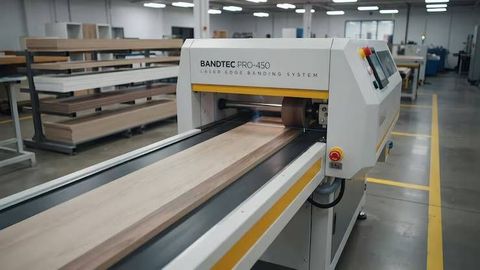
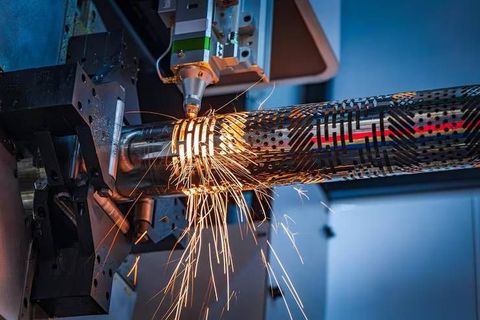
Cyber Physical Production Systems, often shortened to CPPS, combine physical manufacturing equipment with software, sensors, communication networks, data processing, and automated control. The physical side includes machines, robots, conveyors, tools, products, and production lines, while the digital side collects and interprets information from these assets.
A CPPS allows physical equipment and digital systems to interact continuously. Sensors can detect operating conditions, software can analyze the collected information, and control systems can adjust equipment according to defined production rules. This creates a connected production environment rather than a collection of isolated machines.
How the Concept Developed
The idea of cyber physical production systems developed from several technological areas, including industrial automation, computer-integrated manufacturing, industrial Internet of Things technologies, robotics, and advanced data processing. As factories gained more sensors and network-connected equipment, manufacturers gained greater visibility into production activities.
Traditional automation generally focused on predefined machine sequences. CPPS extends this approach by connecting equipment, information systems, products, and human operators. The resulting environment can support continuous monitoring, data-based decisions, flexible production, and coordinated machine activity.
Main Components
A typical cyber physical production systems environment can contain several interconnected layers:
- Physical equipment includes machines, robots, motors, conveyors, tools, and production stations.
- Sensors collect information such as temperature, pressure, vibration, position, speed, and energy consumption.
- Industrial networks transfer information between equipment and computing systems.
- Edge computing processes selected information close to the machines.
- Cloud or centralized platforms can store and analyze larger datasets.
- Control systems use analyzed information to coordinate equipment.
- Human-machine interfaces allow operators to view conditions and interact with production processes.
- Digital models can represent machines, processes, or products for analysis and simulation.
These components work together through communication protocols and software architectures designed for industrial environments.
Importance
Why CPPS Matters in Smart Manufacturing
Smart manufacturing depends heavily on timely and reliable information. Cyber Physical Production Systems provide a framework for connecting physical production activities with digital information, making it easier to understand what is happening across a manufacturing environment.
For example, a sensor attached to a motor can detect increasing vibration. Instead of waiting for a visible mechanical problem, a monitoring system can identify an unusual pattern and send information to the appropriate production system for evaluation.
CPPS can also help organizations understand production bottlenecks, equipment utilization, material movement, quality patterns, and energy consumption. This information can support more informed operational decisions.
Who Uses Cyber Physical Production Systems
CPPS technology can affect several groups within manufacturing:
- Production operators use machine information to understand equipment conditions.
- Maintenance teams examine equipment data and operating patterns.
- Engineers use production data to analyze processes and develop improvements.
- Managers examine production information for planning and resource allocation.
- Quality teams use process information to investigate variations.
- Software and automation specialists maintain communication and control systems.
The technology is relevant to industries such as automotive manufacturing, electronics, food processing, chemicals, pharmaceuticals, aerospace, packaging, and general industrial production.
Problems CPPS Can Address
Manufacturing environments often contain large amounts of information that may be difficult to interpret when systems are disconnected. CPPS can create a more coordinated information structure.
Common challenges include:
- Limited visibility into machine conditions
- Delayed identification of equipment abnormalities
- Manual collection of production information
- Disconnected production and business systems
- Difficulty tracing production events
- Variable product quality
- Unplanned equipment interruptions
- Inefficient material movement
- Limited understanding of energy usage
CPPS does not automatically resolve these issues. Its effectiveness depends on sensor quality, network reliability, software integration, data accuracy, cybersecurity, and appropriate human oversight.
CPPS and Industry 4.0
Cyber Physical Production Systems are closely associated with Industry 4.0. Industry 4.0 describes a broader transformation toward connected, data-driven, automated, and flexible industrial environments.
CPPS provides part of the technical foundation for this transformation. Other related technologies include artificial intelligence, industrial IoT, digital twins, robotics, edge computing, cloud computing, machine learning, and advanced analytics.
Recent Updates
Greater Use of Edge Computing
From 2024 through 2026, industrial digitalization has increasingly emphasized edge computing. Instead of sending every piece of machine information to a remote platform, selected data can be processed near the production equipment.
This approach can reduce communication delays and allow certain monitoring and control functions to continue even when external connectivity is limited. Edge computing is particularly relevant where rapid responses are important.
Artificial Intelligence in Production Analytics
Artificial intelligence and machine learning are increasingly being integrated with industrial data platforms. These technologies can examine large datasets to identify patterns related to equipment conditions, production quality, energy usage, and process performance.
The role of AI in CPPS is generally complementary to industrial control systems. Safety-critical decisions still require appropriate engineering controls, validation, and human oversight.
Digital Twins and Virtual Models
Digital twins have become increasingly important in smart manufacturing. A digital twin is a digital representation of a physical machine, production line, process, or product that can be connected to operational information.
Manufacturing teams can use these models to study production scenarios, examine equipment behavior, and evaluate process changes before applying them to physical operations.
Greater Focus on Cybersecurity
As more industrial equipment becomes connected, cybersecurity has become an increasingly important part of CPPS architecture. Modern approaches emphasize network segmentation, access controls, authentication, software updates, monitoring, backup procedures, and secure system design.
The following table summarizes several technologies commonly associated with CPPS.
| Technology | Main Function | Typical Production Use |
|---|---|---|
| Industrial IoT | Connects equipment and sensors | Machine monitoring |
| Edge Computing | Processes information near equipment | Rapid data analysis |
| Digital Twins | Represents physical assets digitally | Simulation and process analysis |
| AI and Machine Learning | Identifies patterns in data | Quality and condition analysis |
| Robotics | Performs automated physical tasks | Assembly and material movement |
| Industrial Networks | Transfers machine information | Equipment communication |
| Cloud Platforms | Stores and analyzes larger datasets | Production analytics |
| Cybersecurity Tools | Protect connected systems | Access and threat monitoring |
Laws or Policies
Industrial Cybersecurity Requirements
Cyber Physical Production Systems operate within a regulatory environment that varies by country and industry. Organizations may need to follow cybersecurity, data protection, workplace safety, environmental, electrical, and industrial control requirements.
Cybersecurity rules increasingly recognize the importance of protecting operational technology and industrial control environments. Depending on the jurisdiction, organizations may be required to identify critical systems, manage cybersecurity risks, report certain incidents, or maintain appropriate protective measures.
Data Protection
CPPS can generate information about equipment, production activities, operators, and facilities. Where collected information can identify individuals, applicable data protection requirements may become relevant.
Organizations should therefore consider what information is collected, why it is collected, who can access it, how long it is retained, and how it is protected.
Machinery and Workplace Safety
Automated machinery and robotic systems remain subject to applicable machinery and workplace safety requirements. Connecting equipment to a digital network does not replace physical safety measures such as guarding, emergency controls, safe operating procedures, and appropriate risk assessment.
For multinational operations, requirements can differ significantly between jurisdictions. Organizations generally need to evaluate the rules that apply to their specific equipment, industry, and operating location.
Tools and Resources
Monitoring and Analytics Platforms
Industrial monitoring platforms can collect information from sensors, programmable logic controllers, robots, and other equipment. Dashboards can display machine status, production information, alarms, and selected performance indicators.
Digital Twin Software
Digital twin platforms can create virtual representations of equipment and processes. Depending on the platform, users can model equipment behavior, simulate production scenarios, visualize asset information, and compare operational data with digital models.
Industrial Data Historians
Data historians are designed to store time-series information generated by industrial equipment. They can help preserve historical records of temperatures, pressures, machine states, production values, and other measurements.
Simulation and Modeling Tools
Manufacturing simulation software can represent production lines, material movement, machine capacity, and process sequences. These tools can help engineers study possible changes before physical implementation.
Cybersecurity Frameworks
Cybersecurity frameworks and industrial security guidance can help organizations structure risk assessments, access controls, network protection, incident response, and system monitoring. Appropriate guidance depends on the industry, technology environment, and applicable jurisdiction.
FAQs
What are Cyber Physical Production Systems?
Cyber Physical Production Systems connect physical manufacturing equipment with sensors, software, communication networks, and digital control systems. They allow production equipment and digital systems to exchange information and coordinate activities.
How do Cyber Physical Production Systems support smart manufacturing?
Cyber Physical Production Systems support smart manufacturing by connecting machines, sensors, software, and production information. This creates greater visibility into equipment conditions, production processes, quality patterns, and operational activity.
What technologies are used in CPPS?
Common technologies include industrial IoT, sensors, robotics, artificial intelligence, machine learning, edge computing, cloud platforms, digital twins, industrial networks, and cybersecurity technologies.
Are Cyber Physical Production Systems secure?
Security depends on how the system is designed, configured, maintained, and monitored. Network segmentation, authentication, access controls, software maintenance, monitoring, backups, and risk assessment can form important parts of an industrial cybersecurity strategy.
What is the difference between CPPS and traditional automation?
Traditional automation often follows predefined control sequences for specific machines or processes. CPPS connects physical equipment with broader digital systems, enabling information exchange, monitoring, analysis, and coordination across multiple production functions.
Conclusion
Cyber Physical Production Systems connect physical manufacturing activities with digital technologies such as sensors, industrial networks, analytics, robotics, and artificial intelligence. They form an important part of smart manufacturing by creating greater visibility into production processes and equipment conditions. Recent developments have expanded the role of edge computing, digital twins, AI-based analytics, and industrial cybersecurity. Effective CPPS implementation depends on suitable technology integration, accurate data, secure architecture, appropriate safety controls, and compliance with applicable rules.