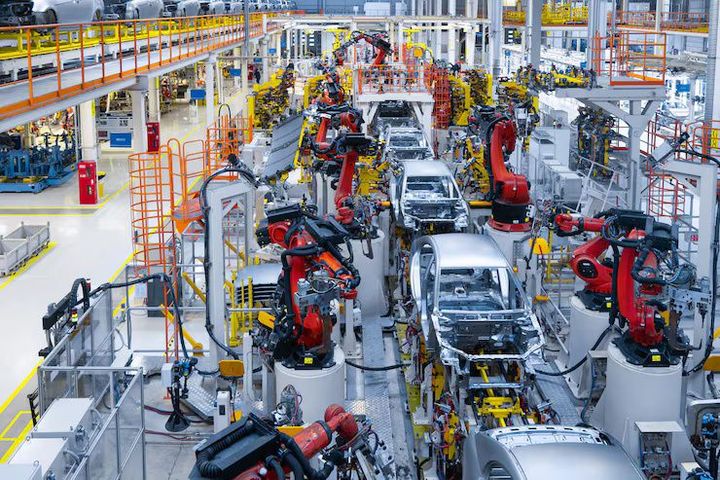
EV Motor Assembly Equipment Basics With Automation, Testing, and Engineering Technology
Electric vehicles rely on electric motors to convert electrical energy into mechanical movement. Unlike conventional vehicles that use an internal combustion engine, an EV commonly uses an electric motor together with a battery, inverter, control electronics, and supporting mechanical components.
EV motor assembly equipment refers to the machines, fixtures, inspection systems, and automated technologies used during electric motor production. These systems can handle activities such as component positioning, rotor and stator assembly, winding, pressing, fastening, balancing, electrical testing, and final inspection.
The development of EV motor assembly equipment comes from the need to produce motors with consistent dimensions, electrical characteristics, mechanical balance, and assembly accuracy. Modern production environments increasingly combine mechanical equipment with sensors, programmable controls, robotics, machine vision, and data collection.
For general readers, the concept can be understood as a coordinated production system. Individual machines perform specific tasks, while automation technology connects many of these tasks into a controlled manufacturing sequence.
Main Components in an EV Motor
An electric motor contains several important components. The exact design varies according to motor architecture, vehicle requirements, and engineering choices.
Common components include:
- Stator, which contains the stationary electromagnetic structure.
- Rotor, which rotates inside or around the stator depending on motor design.
- Windings, which create electromagnetic fields when electrical current passes through them.
- Shaft, which transfers rotational movement to the vehicle drivetrain.
- Bearings, which support controlled rotation.
- Housing, which protects and supports internal motor components.
- Magnets, which are used in several permanent-magnet motor designs.
- Sensors, which can monitor position, temperature, or operating conditions.
EV motor assembly equipment is designed around the dimensions, materials, tolerances, and assembly sequence associated with these components.
Importance
Electric motor production affects vehicle performance, manufacturing consistency, energy efficiency, and long-term mechanical operation. Small variations in winding placement, rotor balance, bearing installation, or component alignment can influence how a motor behaves during operation.
Why Assembly Accuracy Matters
An electric motor contains components that must work together within defined engineering tolerances. The rotor needs appropriate alignment, the stator must maintain its intended geometry, and electrical connections need to be correctly positioned and secured.
Assembly equipment helps control these processes through repeatable mechanical movements and measurement systems. Automated equipment can also record process information, allowing manufacturers to identify unusual results during production.
Quality control is particularly important because EV motors can operate at high rotational speeds and under changing thermal and electrical loads. Testing equipment therefore forms an important part of the overall assembly system rather than being limited to a final inspection.
Who Is Affected
The technology has relevance across several areas of the EV ecosystem:
- Vehicle manufacturers depend on consistent motor production processes.
- Component manufacturers use specialized equipment for rotors, stators, windings, housings, and other parts.
- Engineers develop assembly sequences based on motor architecture.
- Maintenance and production teams interact with automated machinery and inspection systems.
- Consumers are indirectly affected because motor manufacturing influences vehicle reliability, efficiency, and operating characteristics.
- Automation developers create control, sensing, robotics, and data systems for production environments.
Common Manufacturing Challenges
EV motor production can involve several technical challenges. Copper windings require controlled placement, rotor assemblies may need precise balancing, and electrical insulation must be maintained during appropriate manufacturing stages.
Another challenge is maintaining consistent results across large production volumes. Manual operations can introduce variation through differences in positioning, pressure, timing, or measurement. Automation can reduce some forms of variation by using programmed sequences and monitored process parameters.
A simplified example of an EV motor assembly workflow is shown below.
| Assembly Stage | Typical Equipment | Main Purpose |
|---|---|---|
| Component preparation | Handling equipment, inspection tools | Prepare and verify components |
| Stator preparation | Winding and insertion equipment | Form and position windings |
| Rotor assembly | Presses, fixtures, balancing equipment | Assemble and balance rotating parts |
| Housing assembly | Pressing and fastening equipment | Position components within the housing |
| Electrical testing | Resistance and insulation testers | Check electrical characteristics |
| Mechanical testing | Spin and vibration equipment | Examine rotational behavior |
| Final inspection | Vision and measurement systems | Verify assembly results |
Recent Updates
The current direction of EV motor assembly equipment is closely connected with automation, digital manufacturing, robotics, and process monitoring. Production systems increasingly combine physical machinery with software that records measurements and equipment conditions.
Greater Use of Automation
Automated assembly systems can coordinate multiple production steps. Robotic arms may move components between stations, while programmable equipment controls pressing, fastening, winding, or measurement operations.
Machine vision is also becoming an important part of automated inspection. Cameras and image-processing systems can examine component orientation, surface conditions, markings, connector positions, and other visible characteristics.
More Integrated Testing
Modern EV motor production increasingly treats testing as part of the manufacturing sequence. Electrical checks can examine resistance, insulation characteristics, continuity, and other defined parameters. Mechanical testing may examine rotational balance, vibration, noise, or other operating characteristics.
The trend is toward connected testing rather than isolated measurement. Results can be associated with a particular motor or production stage, helping manufacturers trace process information when an abnormal result appears.
Digital Monitoring and Data Collection
Industrial control systems can collect information from sensors installed throughout assembly equipment. Temperature, pressure, position, rotation speed, current, voltage, and vibration are examples of parameters that may be monitored depending on the equipment.
This information can support process analysis and equipment diagnostics. It can also help identify changes in production conditions before they become larger manufacturing issues.
Flexible Production Systems
EV motor designs continue to develop, creating demand for equipment that can accommodate different component dimensions and assembly sequences. Modular fixtures, programmable controls, adjustable tooling, and robotic handling can provide greater flexibility than highly specialized fixed arrangements.
Automation is also increasingly connected with manufacturing execution and quality-management systems. This creates a more continuous flow of information between production equipment, testing stations, and manufacturing records.
Laws or Policies
EV motor assembly equipment is affected by several categories of rules, although the exact requirements depend on the country, region, facility, and type of equipment being used. Since no specific target country is identified here, the following principles describe the general regulatory landscape rather than a jurisdiction-specific legal framework.
Machinery Safety
Industrial machinery commonly needs safeguards designed to protect workers from moving components, electrical hazards, unexpected machine movement, heat, pressure, and other risks. Emergency stopping systems, protective guarding, interlocks, warning systems, and controlled access can form part of a machine safety design.
Electrical Safety
Testing equipment and motor assembly machinery can involve significant electrical energy. Electrical installations generally need appropriate protection, grounding, insulation, isolation procedures, and equipment controls according to applicable local requirements.
Workplace Safety
Facilities using automated machinery typically need procedures covering machine operation, maintenance, training, protective equipment, emergency response, and hazardous energy control. Requirements differ among jurisdictions and industrial environments.
Environmental Requirements
EV manufacturing can involve metals, coatings, lubricants, adhesives, insulation materials, electronic components, and other substances. Environmental rules may address emissions, waste handling, chemical management, energy use, and industrial disposal practices.
Government programs can also influence EV manufacturing through industrial development initiatives, energy policies, emissions targets, or technology programs. The specific provisions vary considerably by jurisdiction and should be checked against the applicable local authorities and regulations.
Tools and Resources
Understanding EV motor assembly equipment becomes easier when technical information is organized around individual production stages. Engineering teams commonly use several categories of tools and resources.
Engineering and Design Software
Computer-aided design systems help create motor components, fixtures, tooling, and assembly layouts. Simulation tools can examine mechanical movement, thermal behavior, electromagnetic characteristics, or production sequences before physical equipment is developed.
Testing Instruments
Electrical measurement equipment can evaluate parameters such as resistance, insulation characteristics, voltage response, and continuity. Mechanical testing systems can measure rotational speed, vibration, balance, torque, and related characteristics.
Automation Platforms
Programmable logic controllers, industrial robots, motion controllers, sensors, human-machine interfaces, and industrial communication networks form the foundation of many automated assembly systems.
Documentation Resources
Manufacturing teams may use equipment manuals, engineering drawings, process sheets, inspection templates, maintenance records, and quality-control documents. These resources help establish consistent procedures and provide information for troubleshooting.
Digital manufacturing platforms can also collect production measurements and inspection results. When properly organized, these records can help engineers understand how equipment settings and production conditions relate to test outcomes.
FAQs
What is EV motor assembly equipment?
EV motor assembly equipment consists of machines, fixtures, inspection tools, testing systems, and automation technologies used to assemble and verify electric vehicle motors.
How does EV motor assembly equipment use automation?
Automation can control component movement, winding, pressing, fastening, inspection, and testing. Sensors and programmable controllers can coordinate these operations while recording selected process information.
What testing is used in electric motor assembly?
Testing may include electrical resistance, insulation, continuity, rotational balance, vibration, noise, torque, and functional checks. The exact tests depend on motor design and applicable production requirements.
Why is machine vision used in EV motor assembly equipment?
Machine vision can inspect component positioning, orientation, markings, visible defects, and assembly conditions. It provides automated visual checks that can be integrated into production stations.
What technologies are shaping EV motor assembly?
Important technologies include industrial robotics, machine vision, programmable controls, digital monitoring, automated testing, precision fixtures, data collection, and integrated manufacturing software.
Conclusion
EV motor assembly equipment combines mechanical machinery, electrical testing, automation, inspection, and engineering controls to produce electric motors with consistent assembly characteristics. Modern systems increasingly use robotics, sensors, machine vision, and digital data collection across multiple production stages. Safety requirements, electrical rules, environmental policies, and workplace regulations also influence how these systems are designed and operated. Understanding these fundamentals provides a clearer view of how electric motor manufacturing connects engineering technology with automated production.