Embracing Lifelong Learning: Explore Skills for Future Opportunities
Lifelong learning involves developing knowledge, abilities, and understanding throughout different stages of life.
It extends beyond formal education and includes professional training, personal interests, independent study, and everyday experiences.
Understanding Lifelong Learning
Lifelong learning refers to the continuous process of gaining knowledge and improving abilities throughout adulthood and beyond. It can take place in educational institutions, workplaces, online environments, and everyday situations.
Unlike traditional education, which often follows a structured academic schedule, lifelong learning can be flexible and based on individual interests or changing responsibilities. People may explore new subjects, develop practical abilities, or strengthen existing knowledge according to their circumstances.
Different Forms of Lifelong Learning
Several approaches contribute to continuous education:
Formal learning: Structured education through universities, colleges, and recognized training institutions.
Non-formal learning: Workshops, professional development courses, and organized educational activities.
Informal learning: Knowledge gained through reading, personal projects, conversations, and everyday experiences.
Digital learning: Online learning programs, virtual classrooms, educational applications, and recorded lessons.
These approaches allow individuals to select learning methods that suit their schedules, interests, and educational backgrounds.
Why Lifelong Learning Matters
Knowledge and workplace expectations continue to change as technology, industries, and social environments develop. Continuous education helps individuals understand these changes and maintain relevant knowledge.
Personal and Professional Development
Learning can support personal confidence, communication abilities, problem-solving, and independent thinking. Exploring unfamiliar subjects also encourages curiosity and a broader understanding of different perspectives.
In professional environments, continuing education courses can help workers understand new processes, technologies, and industry developments. Additional knowledge may also support career development training and preparation for changing responsibilities.
Adapting to Changing Technologies
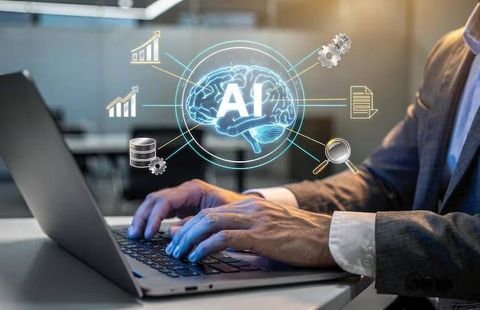
Digital transformation has influenced how people communicate, work, and access information. Understanding digital tools, artificial intelligence, data management, and online collaboration has become increasingly relevant across many fields.
Skill development programs provide structured opportunities to understand these subjects. However, the appropriate learning priorities depend on individual responsibilities and the requirements of particular industries.
Exploring Modern Learning Opportunities
Educational opportunities have expanded through digital platforms and flexible learning arrangements. Individuals can now explore subjects through different formats without necessarily following traditional classroom schedules.
Online Education and Certification
Online learning programs provide access to recorded lessons, interactive activities, reading materials, and virtual discussions. Some educational platforms also provide assessments and certificates after completing specific courses.
Online certification courses may cover areas such as:
Business management and administration.
Computer programming and information technology.
Digital communication and data analysis.
Language development and communication.
Financial literacy and project management.
Before selecting a course, learners should examine its curriculum, teaching approach, assessment methods, and certificate recognition.
Continuing Education Opportunities
Adult education programs are designed to support individuals who want to continue studying alongside personal or professional responsibilities. These programs may include academic subjects, practical workshops, language classes, and specialized training.
The following table illustrates common learning approaches and their characteristics.
| Learning Approach | Main Focus | Common Format |
|---|---|---|
| Online education | Flexible subject learning | Digital platforms |
| Professional training | Workplace knowledge | Workshops |
| Adult education | General education | Classes |
| Certification courses | Specific competencies | Online assessments |
| Independent study | Personal interests | Books and research |
How to Build a Sustainable Learning Routine
Developing a consistent learning routine requires realistic planning and clear priorities. Rather than studying multiple subjects simultaneously, individuals can begin with one area of interest.
Practical Steps for Continuous Learning
Identify learning interests: Choose subjects connected to personal goals, professional responsibilities, or general curiosity.
Set achievable objectives: Establish specific outcomes, such as understanding a topic or completing a learning module.
Select suitable resources: Consider books, educational platforms, professional learning opportunities, and institutional programs.
Create a schedule: Allocate manageable periods for reading, practice, and reviewing information.
Apply new knowledge: Use practical exercises or everyday situations to understand how information works.
Review progress: Evaluate completed activities and identify subjects that require additional attention.
Consistency is generally more useful than creating an unrealistic study schedule. A manageable routine can make learning easier to maintain alongside other responsibilities.
Common Challenges in Lifelong Learning
Although continuous education has several advantages, individuals may experience difficulties when maintaining their learning activities.
Limited time, changing responsibilities, unfamiliar technology, and difficulty selecting reliable educational materials can affect participation. Some learners may also struggle to remain motivated when progress takes longer than expected.
These challenges can be addressed through practical adjustments. Flexible schedules, clearly defined objectives, structured learning materials, and regular revision can help make educational activities more manageable.
Another important consideration is information quality. Learners should compare educational materials, examine the qualifications of instructors where relevant, and distinguish reliable information from unsupported claims.
Frequently Asked Questions
What is the main purpose of lifelong learning?
Its main purpose is to support continuous knowledge development, personal growth, and the ability to understand changing professional and social environments.
Are lifelong learning courses suitable for adults?
Yes. Many lifelong learning courses are designed for adults with different educational backgrounds, experience levels, and personal interests.
Can online learning programs support career development?
Online learning programs can introduce relevant knowledge and practical abilities. Their usefulness depends on course quality, subject relevance, and opportunities to apply what has been learned.
What is the difference between adult education and continuing education?
Adult education generally refers to educational opportunities designed for adult learners, while continuing education focuses on maintaining or expanding knowledge after initial education.
How can someone start lifelong learning?
A person can begin by identifying an interesting subject, choosing reliable learning materials, establishing a realistic schedule, and reviewing progress regularly.
Conclusion
Lifelong learning is an ongoing process that supports knowledge development throughout different stages of life. Through formal education, independent study, professional training, and digital resources, individuals can continue exploring subjects and developing useful abilities.
A realistic learning routine, reliable educational materials, and clear objectives can make continuous education more manageable. Ultimately, lifelong learning encourages curiosity, adaptability, and informed participation in an evolving world.