Electrical Control Panels Information With Components, Safety, and Engineering Basics
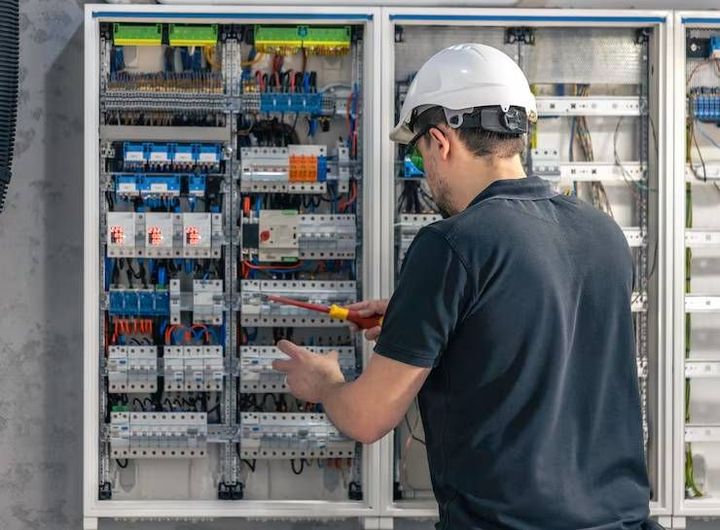
Electrical control panels are organized enclosures that contain electrical devices used to control, monitor, protect, and distribute power within industrial machines, buildings, production systems, and automated equipment. Electrical control panels commonly contain circuit breakers, contactors, relays, terminal blocks, switches, power supplies, programmable logic controllers, and monitoring devices.
Understanding electrical control panels, their components, safety practices, wiring arrangements, and engineering basics helps general readers understand how electrical systems operate and how different devices work together.
Context
What Are Electrical Control Panels?
An electrical control panel is an enclosure that brings multiple electrical and control components together in a structured arrangement. Instead of placing every device separately around a facility or machine, engineers organize related components inside a panel to make electrical control easier to manage.
The enclosure can receive incoming electrical power and distribute it to connected equipment. Depending on its application, an electrical control panel can also process signals, control motors, monitor operating conditions, and coordinate automated processes.
Electrical control panels are found in manufacturing equipment, HVAC systems, water treatment equipment, elevators, packaging machinery, conveyor systems, agricultural equipment, and many other applications.
How Electrical Control Panels Developed
Traditional electrical control systems relied heavily on switches, electromechanical relays, timers, contactors, and manually operated controls. As industrial processes became more automated, programmable controllers and electronic monitoring equipment became increasingly common.
Modern electrical control panels can combine conventional electrical components with digital controllers, communication interfaces, sensors, human-machine interfaces, and remote monitoring functions. This combination allows electrical systems to perform more coordinated control tasks while maintaining a structured physical layout.
Main Components
The exact arrangement varies according to the application, but common electrical control panel components include:
- Circuit breakers for protecting electrical circuits against certain fault conditions.
- Contactors for controlling electrical loads such as motors.
- Relays for switching or controlling circuits using electrical signals.
- Terminal blocks for creating organized connection points.
- Power supplies for converting electrical power into appropriate voltage levels for control equipment.
- Programmable logic controllers for processing inputs and controlling outputs.
- Fuses for circuit protection in suitable applications.
- Transformers for changing AC voltage levels where required.
- Human-machine interfaces for displaying information and allowing operator interaction.
- Sensors and monitoring devices for detecting temperature, pressure, position, current, or other operating conditions.
Importance
Why Electrical Control Panels Matter
Electrical control panels provide a central structure for electrical control and automation. A properly designed panel helps separate power circuits from control circuits, organizes wiring, and provides a defined location for protective and switching equipment.
For industrial environments, this organization can make system inspection and troubleshooting more systematic. It can also help engineers understand how electrical signals travel between the incoming supply, control equipment, sensors, and connected machinery.
Applications Across Industries
Electrical control panels are used in many environments because different types of machinery require coordinated electrical control.
Common applications include:
- Manufacturing and assembly equipment
- Conveyor and material-handling systems
- HVAC and building equipment
- Water and wastewater systems
- Packaging machinery
- Food-processing equipment
- Pumping systems
- Energy and utility equipment
- Automated production lines
- Commercial building systems
Electrical Control Panel Safety
Safety is an important part of electrical control panel engineering because panels can contain hazardous electrical energy. Appropriate protection depends on the voltage, current, equipment design, installation environment, and applicable electrical requirements.
Common safety considerations include:
- Appropriate circuit protection
- Proper grounding and bonding
- Suitable enclosure selection
- Clear circuit identification
- Correct conductor sizing
- Adequate spacing between components
- Protection against accidental contact with energized parts
- Proper isolation before maintenance
- Appropriate warning labels
- Inspection of wiring and connections
Only appropriately trained and authorized personnel should perform work on energized electrical equipment. General information about panels does not replace electrical engineering requirements, workplace procedures, or qualified inspection.
Common Electrical Control Panel Layout
A panel layout normally separates components according to their electrical function and physical requirements. High-power devices may be arranged separately from sensitive control electronics to reduce interference and simplify maintenance.
| Component | Primary Function | Typical Application |
|---|---|---|
| Circuit breaker | Circuit protection and isolation | Incoming and branch circuits |
| Contactor | Load switching | Motor control |
| Relay | Signal switching | Control circuits |
| PLC | Automated control | Industrial machinery |
| Terminal block | Connection point | Field wiring |
| Power supply | Control voltage conversion | Electronic controls |
| Transformer | Voltage conversion | AC control systems |
| HMI | Operator interface | Machine monitoring |
| Sensor | Condition detection | Process monitoring |
Recent Updates
Digital Control and Automation
Recent electrical control panel development has increasingly focused on digital automation. Programmable logic controllers can communicate with sensors, drives, safety devices, and operator interfaces to coordinate machine functions.
Industrial communication technologies are also becoming more common. Depending on the system, control panels may communicate with supervisory systems, industrial networks, variable frequency drives, motor control equipment, and monitoring platforms.
Compact Panel Designs
Modern components can provide significant functionality within relatively compact physical arrangements. Modular terminal blocks, compact circuit protection, integrated controllers, and smaller power supplies can help engineers organize equipment efficiently.
However, reducing physical size does not remove the need for appropriate electrical spacing, heat management, accessibility, and enclosure requirements. Panel dimensions must account for the actual components and operating environment.
Smart Monitoring
Electrical control panels are also becoming more connected. Monitoring equipment can collect information such as electrical current, voltage, temperature, operating status, and fault conditions.
This information can be displayed locally or transmitted to supervisory systems when the architecture supports it. Such monitoring can help personnel understand equipment conditions and identify unusual operating patterns.
Safety-Focused Engineering
Safety functions are receiving greater attention in automated machinery. Depending on the application, panels may incorporate emergency-stop circuits, safety relays, protective interlocks, safety controllers, and other mechanisms designed to reduce specific machine hazards.
The appropriate safety architecture depends on the machinery, risk assessment, operating environment, and applicable standards.
Laws or Policies
Electrical Requirements
Electrical control panels are generally affected by electrical safety rules, equipment requirements, workplace regulations, and installation standards applicable to the jurisdiction where the equipment is used.
Requirements can address enclosure construction, conductor identification, grounding, circuit protection, component ratings, isolation, accessibility, and testing. Industrial machinery can also have additional requirements related to functional safety and emergency controls.
Standards and Engineering Practices
Different regions and industries use different electrical and machinery standards. Common engineering frameworks address topics such as electrical equipment of machines, low-voltage assemblies, industrial control equipment, wiring practices, and functional safety.
The exact requirements depend on the installation location, equipment type, voltage level, environmental conditions, and intended application. Engineers and qualified electrical personnel generally determine which requirements apply to a particular panel.
Documentation Requirements
Electrical control panel documentation can include wiring diagrams, circuit schedules, component information, terminal arrangements, identification labels, and control descriptions.
Accurate documentation is important because it provides a structured representation of how the panel operates. It can also help with inspection, maintenance, modification, and troubleshooting.
Tools and Resources
Electrical Design Tools
Electrical engineers commonly use electrical design software to create schematic diagrams, panel layouts, terminal plans, wiring documentation, and component lists. These platforms can help maintain consistency between electrical drawings and physical panel arrangements.
Calculation Tools
Electrical calculators can assist with basic engineering calculations involving voltage, current, power, resistance, conductor selection, voltage drop, and protective-device considerations. These calculations should be interpreted according to the applicable engineering requirements.
PLC Programming Platforms
PLC programming environments are used to configure programmable logic controllers. Depending on the controller family, programming may use ladder logic, function block diagrams, structured text, or other supported methods.
Testing and Measurement Equipment
Electrical testing equipment can include digital multimeters, insulation resistance testers, clamp meters, phase-sequence instruments, and other specialized measurement devices. The appropriate instrument depends on the measurement and equipment being examined.
Documentation Resources
Electrical schematic templates, panel layout templates, wiring schedules, component databases, and manufacturer documentation can support organized engineering work. Documentation should correspond to the actual installed equipment rather than relying on generic diagrams alone.
FAQs
What is an electrical control panel?
An electrical control panel is an enclosure containing electrical and control components used to distribute power, operate equipment, process signals, and monitor system conditions. Its configuration depends on the application.
What are the main electrical control panel components?
Common electrical control panel components include circuit breakers, contactors, relays, terminal blocks, power supplies, PLCs, transformers, sensors, and operator interfaces. Not every panel contains all of these components.
How does electrical control panel safety work?
Electrical control panel safety involves appropriate circuit protection, grounding, isolation, enclosure design, wiring practices, identification, and protection from accidental contact. Procedures also depend on the equipment and applicable requirements.
What does a PLC do inside an electrical control panel?
A programmable logic controller receives signals from inputs such as sensors and processes programmed instructions to control outputs. Outputs may operate contactors, valves, indicators, drives, or other equipment.
Why is an electrical control panel layout important?
A structured layout helps organize electrical components, wiring, protective devices, and control equipment. It can make circuit identification, inspection, troubleshooting, and maintenance more systematic.
Conclusion
Electrical control panels provide an organized environment for power distribution, electrical protection, machine control, and process monitoring. Their components can range from basic circuit breakers and relays to PLCs, sensors, communication equipment, and operator interfaces. Modern panel engineering increasingly combines traditional electrical systems with digital automation and monitoring technologies. Safe panel design and operation depend on appropriate engineering practices, qualified personnel, documentation, and applicable electrical requirements.