Discover Hydrogen Storage Tanks for Fuel Systems, Energy Storage, and Industrial Uses
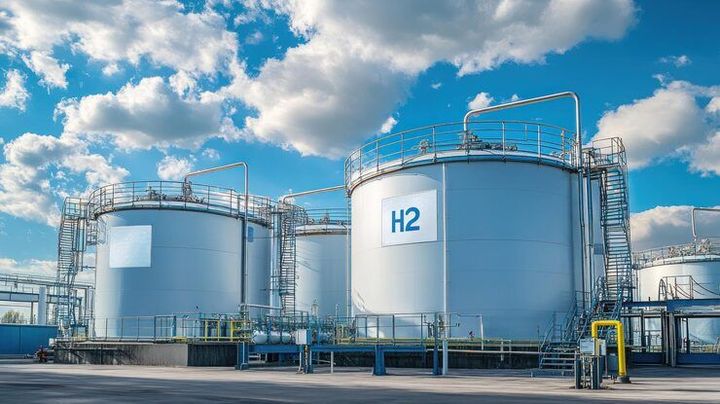
Hydrogen Storage Tanks are specialized containers designed to hold hydrogen safely until it is needed for fuel systems, energy storage, transportation, or industrial processes. Hydrogen can be stored as a compressed gas, as a cryogenic liquid, or through other storage approaches under development.
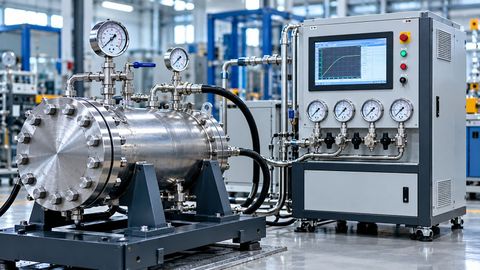
Modern hydrogen storage systems combine tanks, valves, pressure controls, monitoring equipment, piping, and safety systems. Understanding how these systems work helps readers see why Hydrogen Storage Tanks are becoming an important part of emerging energy infrastructure.
Context
What Hydrogen Storage Tanks Do
Hydrogen Storage Tanks provide a controlled environment for retaining hydrogen between production and use. Hydrogen may be generated through electrolysis, industrial processes, or other production methods, but production does not always occur at the same time or location as consumption.
Storage allows hydrogen to be held temporarily and delivered when required. In a fuel system, a tank can supply hydrogen to a fuel cell or combustion-based application. In industrial facilities, hydrogen storage may support processes that require a steady gas supply even when production or delivery varies.
Main Types of Hydrogen Storage
Hydrogen storage technology can generally be divided into several categories:
- Compressed hydrogen storage tanks hold hydrogen in gaseous form at elevated pressure.
- Liquid hydrogen tanks keep hydrogen in a cryogenic liquid state at extremely low temperatures.
- Solid-state storage systems use materials that can absorb or bind hydrogen.
- Underground storage approaches can hold larger quantities in suitable geological formations.
Compressed hydrogen storage is widely associated with cylinders, stationary vessels, mobile storage systems, and tube-based systems. Liquid hydrogen tanks are more specialized because maintaining extremely low temperatures requires insulation and dedicated equipment.
Materials Used in Tank Construction
Hydrogen can interact with certain materials in ways that differ from many conventional gases. Material selection therefore considers pressure, temperature, hydrogen exposure, fatigue, permeability, and long-term durability.
Hydrogen storage tanks can use metals, composite materials, liners, protective layers, and structural reinforcement. Composite tanks may combine a lightweight liner with strong fiber reinforcement, while larger stationary systems can use engineered metallic vessels.
Importance
Why Hydrogen Storage Matters
Hydrogen storage connects production with actual energy use. Renewable electricity generation, industrial hydrogen production, transportation, and fuel-cell applications can operate on different schedules. Storage helps separate these activities so hydrogen can remain available when required.
This becomes particularly relevant when hydrogen is produced from variable renewable electricity. Electricity generation can change according to weather and demand, while industrial or transportation requirements may follow different patterns.
Hydrogen storage also supports applications where direct electrical energy storage is difficult or where hydrogen is required as a chemical feedstock.
Who Uses Hydrogen Storage Systems
Hydrogen storage systems can be relevant to several sectors:
- Fuel-cell vehicles and stationary fuel-cell systems
- Industrial manufacturing facilities
- Hydrogen production plants
- Research and testing facilities
- Energy storage projects
- Hydrogen refueling infrastructure
- Chemical and refining processes
- Heavy transportation and specialized mobility systems
The required storage design depends on the quantity of hydrogen, pressure, temperature, location, operating cycle, and intended application.
Hydrogen Storage for Fuel Systems
Hydrogen fuel systems generally require controlled delivery from storage to the end-use equipment. A typical arrangement may include a storage tank, pressure regulator, shutoff valves, filters, sensors, piping, and dispensing or supply equipment.
The storage pressure must match the requirements of the connected system. Pressure management is important because hydrogen may be stored at significantly higher pressure than the pressure required by downstream equipment.
Hydrogen Storage for Energy Applications
Hydrogen can also act as an energy carrier. Electricity can be used to produce hydrogen, which can then be stored and converted back into electricity through a fuel cell or another conversion system.
This approach differs from conventional battery storage because hydrogen involves production, compression or liquefaction, storage, and later conversion. Each stage introduces equipment requirements and energy losses, so system design depends heavily on the intended application.
Key Storage Characteristics
| Storage Type | Hydrogen Form | Main Feature | Typical Consideration |
|---|---|---|---|
| Compressed gas tank | Gas | High-pressure storage | Pressure management |
| Liquid hydrogen tank | Liquid | High volumetric density | Cryogenic insulation |
| Composite tank | Gas | Lower structural weight | Material durability |
| Underground storage | Gas | Large-scale capacity potential | Geological suitability |
| Solid-state storage | Material-bound | Alternative storage method | Material performance |
Recent Updates
Growth of Hydrogen Infrastructure
From 2024 through 2026, hydrogen development has increasingly focused on connecting production, storage, transportation, and end-use applications. In India, the National Green Hydrogen Mission has supported work involving hydrogen hubs, pilot projects, testing infrastructure, standards, and regulatory development.
The policy direction has also expanded toward hydrogen valleys and integrated hubs. Updated guidelines have addressed Hydrogen Valley Innovation Clusters and Green Hydrogen Hubs, reflecting an approach in which production, storage, distribution, and applications can be developed together.
Development of Storage Standards
Hydrogen storage is receiving increased attention from standards and testing organizations because different applications require different pressure, temperature, material, and safety requirements. India has been developing and adopting standards covering production, storage, transportation, end-use applications, and general safety.
Recent policy work has also included support for testing facilities and institutional infrastructure connected with hydrogen standards and regulatory development.
Expansion of Hydrogen Storage Definitions
Recent regulatory changes have provided more detailed treatment of hydrogen storage systems. Indian rules have addressed concepts such as bulk hydrogen compressed gas systems, storage cascades, tube trailers, high-pressure storage vessels, compression systems, and hydrogen dispensing infrastructure.
These developments show a shift from treating hydrogen only as an industrial gas toward establishing a broader framework covering production, storage, transportation, and fuel applications.
Laws or Policies
Indian Hydrogen Storage Rules
In India, hydrogen storage is influenced by rules administered through the Petroleum and Explosives Safety Organisation, along with standards and policies developed under the National Green Hydrogen Mission.
The Gas Cylinders framework applies to relevant compressed-gas equipment, while specific amendments have introduced provisions related to hydrogen. PESO has published hydrogen-related amendments to the Gas Cylinders Rules and subsequent updates.
Safety Requirements
Hydrogen storage regulations focus on preventing uncontrolled releases, excessive pressure, ignition risks, and unsafe handling. Requirements can address equipment design, approved components, ventilation, isolation arrangements, inspection, testing, and operating procedures.
For example, provisions concerning compressed hydrogen storage systems address ventilation, separation distances, venting, isolation valves, piping, flexible hoses, and operating pressure.
Standards and Approvals
Hydrogen projects may involve several standards depending on their configuration. Indian policy documents identify storage and transportation, production, end-use applications, and general safety as interconnected areas of the hydrogen regulatory framework.
For readers evaluating a hydrogen project, the applicable requirements depend on the type of tank, storage quantity, pressure, location, transportation method, and end use. Professional engineering and regulatory review is therefore important for actual installations.
Tools and Resources
Hydrogen Storage Calculators
Hydrogen storage calculators can help estimate approximate storage capacity from pressure, temperature, volume, and hydrogen properties. These tools are useful for understanding the relationship between tank volume and stored hydrogen quantity.
Pressure and Temperature Tools
Engineering calculators can help users examine pressure relationships and temperature effects. Such calculations are particularly relevant when comparing compressed hydrogen storage tanks with liquid hydrogen tanks.
Standards Databases
Standards databases from organizations such as ISO, national standards bodies, and engineering institutions can help identify requirements for hydrogen tanks, piping, valves, fuel systems, and testing procedures.
Government Hydrogen Resources
For Indian projects, the Ministry of New and Renewable Energy provides National Green Hydrogen Mission documents, schemes, guidelines, and information relating to hydrogen infrastructure. PESO provides regulatory material concerning cylinders and hazardous-gas handling. These resources can help readers understand the policy and compliance environment.
System Design Documents
Hydrogen projects commonly use technical documents such as:
- Storage capacity calculations
- Pressure and temperature specifications
- Piping and instrumentation diagrams
- Equipment specifications
- Inspection and testing records
- Emergency response procedures
- Ventilation and hazardous-area assessments
These documents help connect the physical tank with the rest of the hydrogen system.
FAQs
What are Hydrogen Storage Tanks used for?
Hydrogen Storage Tanks hold hydrogen until it is required for fuel systems, industrial processes, transportation, energy storage, research, or other applications. Their design depends on the hydrogen form, pressure, temperature, capacity, and operating environment.
How do compressed hydrogen storage tanks work?
Compressed hydrogen storage tanks contain hydrogen gas at elevated pressure. Valves, pressure-control equipment, sensors, and piping regulate movement between the tank and the connected hydrogen fuel system or industrial equipment.
What is the difference between compressed and liquid hydrogen tanks?
Compressed hydrogen tanks store hydrogen as a gas, while liquid hydrogen tanks maintain hydrogen as a cryogenic liquid. Liquid hydrogen storage requires specialized insulation and temperature management because hydrogen must remain at extremely low temperatures.
Are hydrogen storage systems regulated?
Yes. Hydrogen storage systems can be subject to safety rules, technical standards, inspection requirements, and approval procedures. In India, PESO regulations and National Green Hydrogen Mission policies form part of the relevant regulatory framework.
Can hydrogen tanks be used for energy storage?
Yes. Hydrogen can store energy produced from electricity and later provide that energy to fuel cells or other conversion equipment. Hydrogen energy storage is therefore one part of a wider energy system that includes production, compression or liquefaction, storage, and conversion.
Conclusion
Hydrogen Storage Tanks provide an important connection between hydrogen production and practical use in fuel systems, energy storage, and industrial applications. Compressed gas tanks, liquid hydrogen tanks, composite vessels, and other storage technologies address different operating requirements. Recent developments in India have expanded hydrogen policies, testing infrastructure, standards, and regulatory frameworks. Safe hydrogen storage depends on suitable materials, pressure and temperature controls, appropriate equipment, and compliance with applicable technical requirements.