Complete Guide to Petroleum Blending Systems for Modern Fuel Processing Operations
Petroleum blending systems are engineered arrangements used to combine different petroleum streams in controlled proportions to produce fuels and other refined products with defined physical and chemical characteristics.
Modern fuel processing operations rely on accurate blending because crude-derived streams can differ significantly in composition, density, volatility, sulfur content, and other properties.
The concept of petroleum blending developed alongside the expansion of petroleum refining. As refineries began processing a wider range of crude oils and producing more fuel grades, controlled mixing became important for achieving consistent product specifications. Today, petroleum blending systems can combine several liquid streams while monitoring important properties throughout the process.
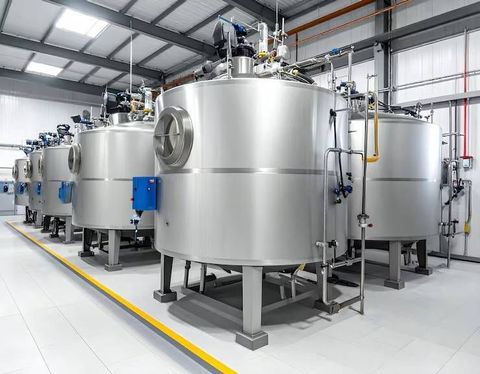
A typical petroleum blending system may include storage tanks, pumps, valves, flow meters, control equipment, sampling points, and process monitoring instruments. Computerized control systems can coordinate the movement of different components and adjust flow rates according to an established blending formula.
What Petroleum Blending Means
Petroleum blending involves combining two or more hydrocarbon streams to create a final mixture with specific characteristics. The individual components may come from different refinery processes or storage areas.
For example, a fuel blend may require several streams with different octane levels, densities, or volatility characteristics. Instead of relying on one component, a controlled petroleum blending system can combine suitable quantities of several components.
The objective is not simply to mix liquids. The process must account for how the properties of each component influence the final mixture.
Main Components of a Blending System
A modern system generally includes several interconnected elements:
- Storage tanks hold individual petroleum components before blending.
- Pumps move liquids through pipelines and processing equipment.
- Flow meters measure the quantity moving through each line.
- Control valves regulate the flow of individual components.
- Sensors monitor selected physical or chemical properties.
- Mixing equipment promotes consistent distribution of components.
- Control software coordinates operating parameters.
- Sampling equipment supports laboratory or process verification.
The exact configuration depends on the refinery, fuel type, production capacity, and required product specifications.
Importance
Petroleum blending systems matter because fuel production requires consistency. Different petroleum streams can have different characteristics, and uncontrolled mixing may produce a final product that does not meet the required specification.
For everyday users, consistent fuel quality can influence vehicle operation, storage behavior, emissions characteristics, and compatibility with equipment designed for particular fuel grades. Industrial users also depend on predictable fuel properties when operating engines, boilers, generators, and other combustion equipment.
Problems Addressed by Petroleum Blending
Controlled blending helps address several operational challenges.
First, refineries may have multiple streams available for producing a particular fuel. A blending system allows these streams to be combined according to defined proportions.
Second, petroleum properties can vary between batches. Monitoring and control equipment help operators account for these differences rather than treating every component as identical.
Third, fuel specifications can place limits on properties such as sulfur content, vapor pressure, density, or octane characteristics. Blending calculations help determine how different components can be combined while maintaining the required characteristics.
Who Uses These Systems
Petroleum blending systems are primarily associated with:
- Petroleum refineries
- Fuel processing facilities
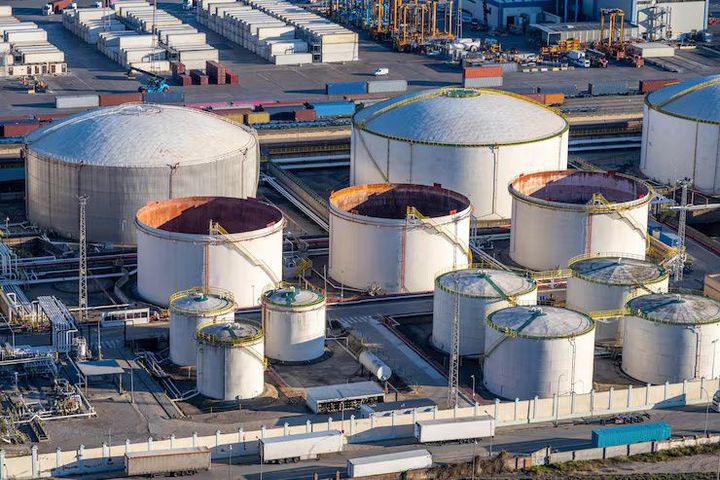
- Petroleum storage terminals
- Petrochemical operations
- Fuel distribution facilities
- Industrial fuel preparation facilities
- Laboratory and quality-control operations
The general public usually interacts with the results rather than the equipment itself. Fuel purchased for transportation or industrial use may have passed through several controlled processing and blending stages before reaching its final distribution point.
Batch and Continuous Blending
Two broad approaches are commonly used. Batch blending involves preparing a defined quantity of product and adding components according to a calculated recipe. This approach can be useful when production is organized around individual batches.
Continuous blending introduces components into a flowing process at controlled rates. Flow meters and automated controls continuously monitor the component streams. The choice between approaches depends on facility design, production requirements, storage arrangements, and process control capabilities.
| Blending Approach | Basic Principle | Common Characteristic |
|---|---|---|
| Batch blending | Components are combined in a defined batch | Suitable for controlled batch production |
| Continuous blending | Components enter a flowing process continuously | Supports ongoing production |
| In-line blending | Components mix within connected process lines | Reduces separate handling stages |
| Tank blending | Components are combined inside a storage or mixing tank | Allows controlled tank-based preparation |
Recent Updates
Petroleum blending systems have increasingly incorporated digital monitoring, automation, and process optimization. Modern facilities can collect information from flow meters, temperature sensors, pressure instruments, and analytical equipment and use that information within centralized control platforms.
One important trend is the movement toward more automated blending calculations. Instead of depending entirely on manual calculations, control software can process component information and regulate flow according to predefined blending formulas.
Digital Monitoring and Automation
Advanced petroleum blending systems can integrate sensors with supervisory control and data acquisition platforms. These arrangements help operators observe process conditions from centralized interfaces.
Data logging has also become more important. Recorded information can help facilities review production batches, investigate deviations, and maintain operational records.
Greater Attention to Fuel Specifications
Fuel specifications continue to evolve in many markets as governments and industry groups address emissions, fuel quality, and environmental concerns. This can increase the importance of accurate control over properties such as sulfur levels and volatility.
Blending systems therefore increasingly work alongside laboratory analysis and online measurement technologies. The combination allows facilities to evaluate component properties before and during production.
Process Optimization
Another development is the use of optimization software. These systems can evaluate available components and calculate blending combinations while considering multiple product requirements.
The broader direction is toward connected petroleum blending systems in which measurement, calculation, process control, and quality verification work as parts of one operating framework.
Laws or Policies
Petroleum blending is influenced by laws, environmental requirements, fuel specifications, transportation rules, workplace safety requirements, and storage regulations. The exact requirements differ substantially between countries and can also vary according to fuel type and facility classification.
Fuel Quality Requirements
Many regulatory systems establish specifications for commercial fuels. These may address properties such as sulfur content, octane characteristics, vapor pressure, density, distillation behavior, and other chemical or physical parameters.
Blending operations must therefore be designed around the specifications applicable to the particular product and market.
Environmental Requirements
Petroleum facilities may also be subject to environmental controls covering emissions, storage tanks, vapor management, wastewater, spills, and handling of petroleum materials.
These requirements can influence equipment selection, monitoring procedures, containment arrangements, and operating practices.
Safety and Process Controls
Petroleum processing involves flammable materials and pressurized equipment, so facilities commonly operate under workplace and process-safety requirements. These can include rules for equipment inspection, emergency systems, hazardous-area equipment, worker protection, and operating procedures.
Because regulatory requirements differ by jurisdiction, facility operators generally need to consult the applicable national, regional, and local authorities when designing or modifying a petroleum blending operation.
Tools and Resources
Several tools can help people understand or manage petroleum blending concepts. Their usefulness depends on whether the user is studying the subject, performing engineering calculations, or monitoring an operating facility.
Blending Calculators
Blending calculators can estimate final mixture properties from component quantities and known characteristics. They are useful for understanding how changes in component proportions can influence a final blend.
Flow Measurement Equipment
Flow meters are fundamental to controlled blending because the quantity of each component must be measured. Different measurement technologies can be selected according to liquid properties, operating conditions, and required accuracy.
Laboratory Analysis
Laboratory instruments can measure important petroleum characteristics before or after blending. Laboratory results can be used to verify whether a finished blend meets its specified parameters.
Control Platforms
Industrial control platforms connect instruments, valves, pumps, alarms, and operator interfaces. These platforms can help coordinate automated petroleum blending processes and record operating information.
Technical Documents
Helpful resources include equipment manuals, engineering specifications, fuel-quality standards, safety documentation, process diagrams, operating procedures, and regulatory publications. Educational materials on fluid flow, petroleum refining, process control, and fuel chemistry can also help beginners understand the subject.
FAQs
What is a petroleum blending system?
A petroleum blending system combines different petroleum streams in controlled proportions to produce a mixture with defined characteristics. It may include tanks, pumps, flow meters, valves, sensors, mixing equipment, and computerized controls.
How does a petroleum blending system work?
A petroleum blending system measures individual component streams and controls their flow according to a defined blending formula. The components are then mixed through tanks, pipelines, or dedicated mixing equipment, followed by quality verification.
What are petroleum blending systems used for?
Petroleum blending systems are used to prepare fuels and other petroleum products with controlled properties. They are commonly associated with refineries, storage terminals, fuel-processing facilities, and related industrial operations.
Why are flow meters important in petroleum blending?
Flow meters measure how much of each petroleum component enters the blending process. Accurate flow measurement helps maintain the intended proportions and supports process monitoring and quality control.
How is fuel quality checked after blending?
Fuel quality can be assessed through laboratory testing, online analytical equipment, sampling procedures, and comparison with applicable product specifications. The specific tests depend on the type of petroleum product and relevant requirements.
Conclusion
Petroleum blending systems combine multiple petroleum streams under controlled conditions to produce consistent fuel and petroleum products. Modern systems increasingly use automated measurement, digital monitoring, process controls, and analytical technologies to manage blending operations. Regulatory requirements also influence fuel specifications, environmental controls, and operational safety. Understanding the basic components, blending methods, monitoring practices, and regulatory factors provides a useful foundation for understanding modern fuel processing operations.