Aseptic Filling Machines Guide With Sterile Processing and Packaging Insights
Aseptic filling machines are specialized systems used to place products into sterile containers while maintaining controlled conditions throughout filling and packaging. They are widely associated with food, beverage, pharmaceutical, biotechnology, and other industries where contamination control is important.
Unlike conventional filling equipment, aseptic filling machines are designed around the separation of sterile products, containers, closures, and the surrounding processing environment. Understanding sterile processing, filling technology, container preparation, and packaging controls helps explain how these systems support consistent product quality and longer storage periods without relying only on refrigeration.
Context
What Aseptic Filling Means
Aseptic filling is a manufacturing approach in which a commercially sterile product is transferred into a previously sterilized container under controlled conditions. The container is then closed in an environment designed to prevent microorganisms or other contaminants from entering.
The process is different from simply filling a clean container. Sterilization, environmental control, product handling, container preparation, filling, and closure operations must work together. A failure in one stage can affect the integrity of the entire process.
Aseptic filling machines can handle liquids, beverages, nutritional products, pharmaceutical preparations, and other compatible formulations. Machine configurations vary according to product characteristics, container materials, production capacity, and required sterility controls.
How Aseptic Filling Machines Developed
The development of aseptic processing came from the need to preserve sensitive products while reducing contamination risks during packaging. Traditional thermal processing can expose some products to prolonged heat, potentially affecting taste, texture, appearance, or other characteristics.
Aseptic processing separates sterilization of the product from sterilization of the packaging system. Once both are prepared appropriately, the product is filled and sealed under controlled conditions.
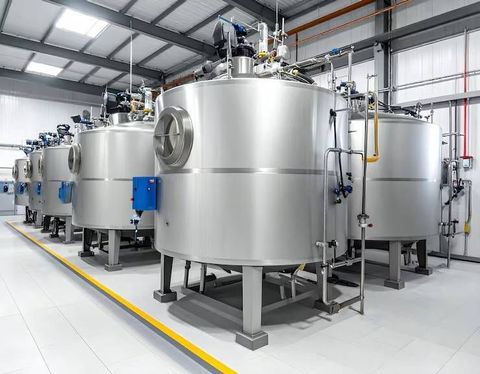
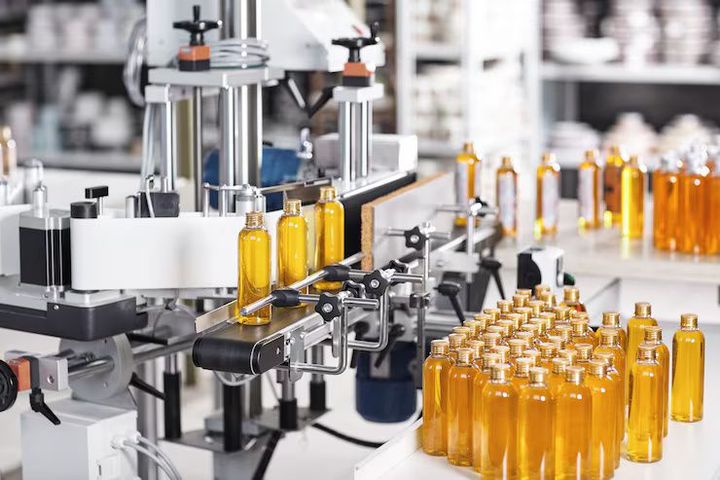
Modern aseptic filling machines combine mechanical equipment with automated monitoring and environmental controls. Common components can include product tanks, pumps, sterilization systems, filling heads, container handling mechanisms, closure systems, sensors, control panels, and cleanable process surfaces.
Main Processing Stages
A typical aseptic filling operation can include several connected stages:
- Product preparation involves mixing, filtration, thermal treatment, or other appropriate processing.
- Container sterilization prepares bottles, cartons, pouches, vials, or other packaging formats.
- Filling transfers the sterile product into the prepared container.
- Closure places and secures the lid, cap, stopper, or other sealing component.
- Environmental control maintains appropriate conditions around exposed product and packaging surfaces.
- Inspection checks container integrity, fill accuracy, closure condition, and process information.
The exact sequence depends on the product and manufacturing system. Not every aseptic filling machine performs every stage independently.
Importance
Why Sterile Processing Matters
Contamination can change the quality and safety characteristics of a product. Microorganisms, particles, or unwanted substances introduced during filling can create problems that may not be visible immediately.
Aseptic filling machines therefore form part of a broader contamination-control strategy. The machine itself is only one element; facility design, personnel practices, cleaning, sterilization, process validation, monitoring, and packaging materials also influence overall performance.
Industries Using Aseptic Filling Technology
Aseptic filling equipment is used across several sectors where controlled packaging conditions are important. Examples include:
- Pharmaceutical manufacturing
- Biotechnology production
- Dairy and beverage processing
- Nutritional product manufacturing
- Laboratory-related production
- Certain cosmetic and personal-care applications
- Specialized liquid food processing
The equipment selected for each application depends on viscosity, sensitivity to heat, container dimensions, filling volume, closure design, and required environmental controls.
Benefits of Controlled Filling
Aseptic processing can help manufacturers separate product sterilization from packaging operations. This approach can be useful when a product needs controlled thermal exposure or when packaging must maintain sterility after processing.
Packaging integrity is another important consideration. A properly closed container creates a physical barrier against external contamination. Automated filling systems can also monitor parameters such as fill volume, temperature, pressure, machine speed, and container movement.
Common Challenges
Aseptic filling systems require careful control because several variables interact during operation. Challenges can include:
- Maintaining sterile conditions during production
- Controlling contamination risks
- Achieving consistent filling volumes
- Managing container and closure sterilization
- Preventing leaks or damaged packaging
- Monitoring equipment performance
- Maintaining appropriate cleaning and sterilization procedures
Equipment complexity can also increase the need for documented operating procedures and trained personnel.
Recent Updates
Automation and Digital Monitoring
From 2024 through 2026, the general direction of aseptic filling technology has continued toward greater automation, process monitoring, and data collection. Modern systems increasingly use sensors and computerized controls to track operating conditions during production.
Automated monitoring can record information such as temperature, pressure, flow rate, filling accuracy, sterilization parameters, and equipment status. These records can support process review and help identify deviations.
Flexible Packaging Formats
Another continuing trend is the development of equipment capable of handling different container formats. Bottles, cartons, pouches, syringes, vials, and other formats can require different filling and sealing arrangements.
Flexible machine configurations can be useful where production requirements change. However, each packaging format still requires appropriate sterilization, closure, compatibility, and process-control considerations.
Improved Contamination Control
Recent equipment development has also focused on reducing unnecessary human interaction with sterile processing areas. Automated material movement, enclosed filling zones, controlled transfer systems, and improved monitoring can reduce opportunities for contamination.
The emphasis is increasingly on integrated contamination control rather than relying on a single machine feature. Facility design and operating procedures remain important parts of the overall system.
Data Table
| Aseptic Filling Element | Main Purpose | Typical Control Area |
|---|---|---|
| Product sterilization | Reduce microorganisms in the product | Temperature, time, filtration, or validated process |
| Container sterilization | Prepare packaging before filling | Sterilization method and exposure |
| Filling system | Transfer product accurately | Volume, flow, pressure |
| Filling environment | Protect exposed sterile product | Air and contamination controls |
| Closure system | Seal the filled container | Position, pressure, integrity |
| Sensors | Monitor operating conditions | Temperature, pressure, flow |
| Control system | Coordinate machine functions | Automated sequences and alarms |
| Inspection system | Detect process or packaging issues | Fill level, closure, container condition |
Laws or Policies
Regulatory Frameworks
Aseptic filling is shaped by regulations and manufacturing standards that differ according to product type and target market. Pharmaceutical and biotechnology applications generally face more extensive sterile manufacturing requirements than many conventional food applications.
In the United States, pharmaceutical aseptic processing is influenced by requirements and guidance from the Food and Drug Administration. European pharmaceutical manufacturing follows European regulatory requirements and associated good manufacturing practice frameworks. Other regions maintain their own national requirements, often influenced by internationally recognized quality principles.
Good Manufacturing Practice
Good Manufacturing Practice, commonly called GMP, is an important concept in controlled manufacturing. GMP principles address areas such as facility conditions, equipment, documentation, personnel practices, quality systems, cleaning, process controls, and contamination prevention.
For aseptic filling machines, documentation can include equipment qualification, cleaning procedures, sterilization procedures, maintenance records, calibration information, process monitoring, and deviation records.
Validation and Process Control
Aseptic processing generally requires documented evidence that critical processes operate as intended. Validation can involve equipment qualification, sterilization studies, environmental monitoring, container-closure integrity testing, and process simulations where applicable.
Requirements vary by product category and jurisdiction. Organizations must therefore apply the regulatory framework appropriate to their manufacturing activity rather than treating one set of requirements as universal.
Tools and Resources
Equipment Monitoring Tools
Aseptic filling operations commonly use sensors, programmable control systems, temperature monitoring devices, pressure indicators, flow meters, and automated alarm systems. These tools help operators observe important process conditions.
Environmental monitoring equipment can also measure conditions in controlled production areas. Depending on the facility, monitoring may include airborne particles, microorganisms, pressure differences, temperature, humidity, and other relevant parameters.
Documentation Resources
Useful resources for aseptic processing may include:
- Equipment qualification templates
- Cleaning and sterilization records
- Preventive maintenance schedules
- Process monitoring forms
- Batch documentation templates
- Environmental monitoring records
- Container-closure integrity records
- Standard operating procedure templates
Regulatory agencies, recognized standards organizations, equipment documentation, and industry training materials can provide additional technical information.
Selecting an Appropriate System
When evaluating aseptic filling machines, technical factors are generally more important than appearance or machine size. Relevant considerations include product characteristics, container type, filling volume, production rate, sterilization method, environmental requirements, automation level, cleaning approach, and documentation capabilities.
Compatibility between the filling system and the product is especially important. Materials that contact the product should be appropriate for the formulation and processing conditions.
FAQs
What are aseptic filling machines used for?
Aseptic filling machines are used to place sterile products into sterilized containers under controlled conditions. They are commonly associated with pharmaceutical, biotechnology, food, beverage, and nutritional manufacturing.
How do aseptic filling machines maintain sterility?
They combine product sterilization, container preparation, controlled filling conditions, sterile closure, environmental controls, and documented procedures. The exact approach depends on the product and packaging system.
What is the difference between aseptic filling and conventional filling?
Conventional filling may involve placing a processed product into containers under ordinary controlled manufacturing conditions. Aseptic filling requires a higher level of contamination control because the product and packaging are prepared to maintain commercial sterility during the filling and closing stages.
What types of containers can aseptic filling machines handle?
Depending on machine design, systems may handle bottles, cartons, pouches, vials, syringes, and other specialized containers. Each format requires compatible filling, sterilization, and closure arrangements.
Why are aseptic filling machines important in sterile processing?
They provide an integrated method for transferring sterile products into prepared containers while controlling important filling and environmental conditions. Their operation forms one part of a broader sterile processing and contamination-control system.
Conclusion
Aseptic filling machines combine sterile product handling, container preparation, controlled filling, and secure closure within a carefully managed manufacturing process. Their importance extends across pharmaceutical, biotechnology, food, beverage, and other industries where contamination control is essential. Developments in automation, monitoring, flexible packaging, and contamination-control practices continue to influence modern aseptic processing. Regulatory requirements, equipment qualification, environmental monitoring, and documented procedures remain central to maintaining controlled manufacturing conditions.