Vision Inspection Systems Guide With Automated Quality Control and Manufacturing Insights
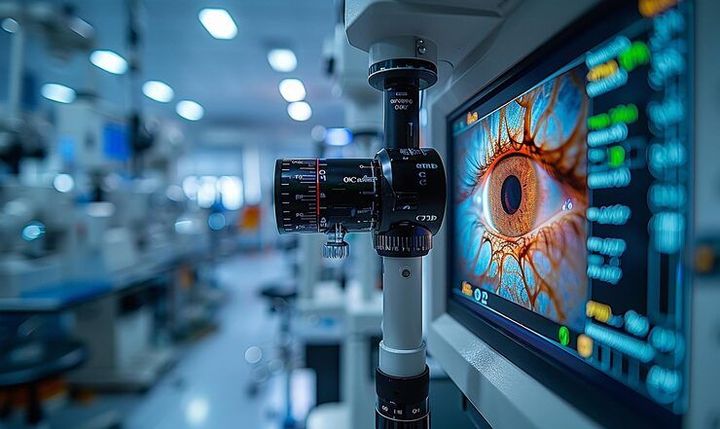
Vision inspection systems are automated technologies used to examine products, components, packaging, and manufacturing processes with cameras, lighting, sensors, and computer-based image analysis.
A vision inspection system captures an image of an object and analyzes visual characteristics such as shape, dimensions, surface condition, color, position, labels, and assembly details. The system can then identify whether an item matches predefined quality criteria.
The development of machine vision began with efforts to help computers interpret visual information. As cameras, processors, sensors, and software became more capable, these technologies moved into manufacturing environments. Modern vision inspection systems can operate alongside production equipment and examine large numbers of products without requiring an operator to visually inspect every individual item.
Automated quality control has become an important part of manufacturing because production lines can operate at high speeds and generate large quantities of products. Manual inspection can become difficult when objects are small, inspection criteria are precise, or continuous monitoring is required. Vision technology provides a structured method for collecting visual information and applying consistent inspection rules.
How Vision Inspection Works
A typical vision inspection system contains several connected elements. The camera captures an image, lighting creates suitable contrast, software processes the image, and an inspection algorithm evaluates the result. Depending on the application, sensors or triggers can tell the camera when to capture an image.
The system may inspect one feature or several characteristics simultaneously. Common inspection tasks include:
- Detecting scratches, cracks, dents, stains, and surface irregularities
- Checking dimensions and geometric features
- Confirming labels, markings, or printed information
- Identifying missing or incorrectly positioned components
- Verifying packaging characteristics
- Reading barcodes, QR codes, and characters
- Checking color, shape, orientation, and alignment
Some systems use traditional image-processing techniques based on predefined rules. Others incorporate machine learning, allowing software to recognize more complex visual patterns from suitable training data.
Main Components
Vision inspection systems vary considerably according to the production environment. A basic setup may contain one camera, while a larger installation can include multiple cameras positioned around a product.
| Component | Main Function |
|---|---|
| Industrial camera | Captures images of products or components |
| Lighting system | Creates consistent illumination |
| Lens | Controls the field of view and image detail |
| Sensor or trigger | Determines when an image should be captured |
| Processing unit | Converts image information into inspection results |
| Vision software | Analyzes images according to inspection criteria |
| Machine interface | Communicates inspection results with production equipment |
Selecting appropriate components depends on factors such as product dimensions, production speed, surface characteristics, available space, and inspection accuracy requirements.
Importance
Vision inspection systems matter because manufacturing quality can influence product reliability, production efficiency, material usage, and customer experience. Detecting an issue earlier in the production process can help manufacturers identify where a process needs adjustment and reduce the movement of defective items to later stages.
Automated quality control is particularly useful when inspection involves repetitive visual tasks. Human inspectors can experience fatigue during extended periods of repetitive examination, while an automated system can apply the same programmed inspection criteria throughout a production cycle.
Industries Using Vision Inspection
Machine vision technology is used across many manufacturing and processing environments. Applications include electronics, automotive components, food packaging, pharmaceuticals, plastics, metal processing, textiles, consumer products, and logistics.
In electronics manufacturing, cameras can inspect component placement, soldering characteristics, and assembly alignment. In packaging, systems can verify labels, closures, package orientation, and printed information.
Metal and plastic manufacturers can use vision inspection to examine surfaces, dimensions, holes, edges, and other physical characteristics. In food-related production, cameras may examine packaging appearance, product positioning, and visible foreign material, depending on the system design.
Problems Addressed by Automated Inspection
A manufacturing line can experience different types of quality issues. Some are visible defects, while others involve incorrect positioning, missing components, inconsistent dimensions, or incorrect printed information.
Vision inspection can help address problems such as:
- Inconsistent manual inspection
- Difficult-to-see surface defects
- High-speed production processes
- Incorrect component placement
- Packaging and labeling errors
- Dimensional variation
- Product orientation problems
- Repetitive inspection requirements
The technology does not eliminate the need for appropriate inspection planning. Camera positioning, lighting, software configuration, product variation, and environmental conditions can all affect inspection results.
Vision Inspection and Manufacturing Data
Modern systems can also contribute information to manufacturing analytics. Inspection results may be stored with production records, allowing manufacturers to examine defect patterns and identify changes over time.
For example, repeated defects in one area of a production line may indicate equipment alignment issues, material variation, lighting changes, or process instability. Combining inspection information with other production data can therefore support process analysis.
Recent Updates
From 2024 through 2026, the development of vision inspection systems has increasingly focused on artificial intelligence, machine learning, edge processing, higher-resolution cameras, and integration with broader manufacturing automation.
AI-Based Visual Inspection
Artificial intelligence has expanded the range of visual patterns that automated systems can analyze. Traditional inspection methods generally depend on explicitly defined rules, while AI-based approaches can learn visual characteristics from representative examples.
AI-powered inspection can be useful when acceptable products have natural variation or when defects are difficult to describe using simple geometric rules. However, performance depends heavily on the quality and diversity of the training images and the conditions under which the system operates.
Edge Processing
Another important development is the increasing use of edge computing. Instead of sending every image to a remote computing environment, processing can take place close to the camera or production equipment.
This approach can reduce communication requirements and support rapid inspection decisions. It can also help manufacturers design systems where inspection information remains within the production environment.
Improved Camera Technology
Industrial cameras continue to develop in areas such as resolution, frame rate, sensitivity, three-dimensional imaging, and specialized spectral imaging. Three-dimensional vision can provide information about height and depth that a conventional two-dimensional image cannot capture.
These developments are useful for applications involving complex shapes, surface profiles, dimensional measurement, and objects with significant depth variation.
Integration With Automation
Vision inspection is increasingly connected with robotic systems, programmable controllers, manufacturing execution systems, and industrial networks. A camera may identify the position of a component while a robot uses that information to perform a specific operation.
This connection creates a broader automated quality control environment in which inspection data can interact with production equipment and manufacturing records.
Laws or Policies
Vision inspection systems are generally influenced by several categories of rules rather than one universal regulation. Requirements can vary according to the industry, product type, workplace environment, data practices, and jurisdiction.
Manufacturing Quality Requirements
Manufacturers may need to follow product-specific quality standards, industry requirements, technical specifications, or internal quality procedures. Vision inspection can be incorporated into these systems as one method of verifying product characteristics.
The technology itself does not automatically establish regulatory compliance. Inspection criteria need to correspond with applicable requirements and documented production procedures.
Workplace Safety
Automated inspection equipment installed near machinery must be considered as part of the overall workplace safety environment. Cameras, lighting units, conveyors, robots, electrical equipment, and control systems should be designed and installed according to applicable safety requirements.
Where machine vision is integrated with robotic or automated equipment, risk assessment and appropriate safeguarding can become important considerations.
Data and Privacy
Some vision systems capture images that may include workers, visitors, identification information, or other sensitive visual data. Where this occurs, applicable privacy and data-protection requirements may affect how images are collected, stored, accessed, and retained.
Manufacturers should distinguish between product inspection images and images containing identifiable individuals because the relevant data obligations can differ.
Industry-Specific Requirements
Industries involving food, medical devices, electronics, transportation equipment, and other regulated products can have additional quality and documentation requirements. The applicable framework depends on the product and jurisdiction rather than simply on the use of a camera inspection system.
Tools and Resources
A range of tools can help organizations understand, design, evaluate, and maintain vision inspection applications. These resources may include camera-selection calculators, lens-selection tools, lighting guides, measurement software, machine vision development platforms, image-analysis software, and industrial automation documentation.
Common Evaluation Tools
Useful resources for planning a system include:
- Camera resolution calculators
- Lens and field-of-view calculators
- Lighting configuration guides
- Image-processing software
- Barcode and character recognition tools
- Dimensional measurement software
- Machine learning image datasets
- Industrial communication documentation
- Quality inspection templates
- Production data analysis platforms
A camera calculator can help estimate the image resolution required for a particular feature size. A field-of-view calculator can help determine whether a selected camera and lens combination can capture the entire inspection area.
Inspection Planning
Before implementing automated quality control, manufacturers generally define what needs to be inspected and what constitutes an acceptable result. Important considerations include product variation, defect size, inspection speed, environmental conditions, lighting, camera placement, and how inspection results will be recorded.
A structured inspection plan can help separate essential inspection requirements from optional features. This can also make it easier to evaluate whether a two-dimensional, three-dimensional, or AI-based vision approach is appropriate.
FAQs
What is a vision inspection system?
A vision inspection system uses cameras, lighting, image-processing software, and related equipment to examine products or components. It can identify visual defects, measure features, verify assembly, read markings, and check product characteristics against predefined criteria.
How does automated quality control work?
Automated quality control uses equipment and software to evaluate products or processes according to established inspection rules. In a vision application, images are captured and analyzed, after which the system records or communicates the inspection result.
What industries use vision inspection systems?
Vision inspection systems are used in electronics, automotive manufacturing, packaging, plastics, metal processing, food production, textiles, logistics, and other industrial environments. The specific inspection task varies according to the product and manufacturing process.
Can AI be used in vision inspection?
Yes. AI and machine learning can be used to identify visual patterns and defects that may be difficult to define through conventional image-processing rules. AI-based inspection still requires suitable image data, appropriate system configuration, testing, and ongoing quality monitoring.
What factors affect vision inspection accuracy?
Lighting, camera resolution, lens selection, product positioning, surface characteristics, image quality, environmental conditions, software configuration, and inspection criteria can all influence results. Consistent operating conditions are important for reliable automated inspection.
Conclusion
Vision inspection systems combine cameras, lighting, image processing, and automation to examine products and manufacturing processes. Automated quality control can support repetitive inspection tasks, defect detection, dimensional checks, and production analysis. Recent developments in AI, edge processing, advanced cameras, and industrial connectivity are expanding the applications of machine vision. Regulatory, safety, data, and industry-specific requirements also need to be considered when such systems are incorporated into manufacturing environments.