Tenerife Resorts Guide With Beach Holidays, Hotel Features, and Travel Resources
Tenerife is the largest island in the Canary Islands, an Atlantic archipelago belonging to Spain. Located off the northwestern coast of Africa, the island is known for its volcanic landscapes, coastal towns, sandy beaches, and varied accommodation options.
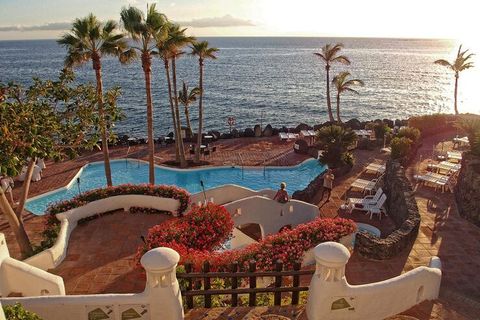
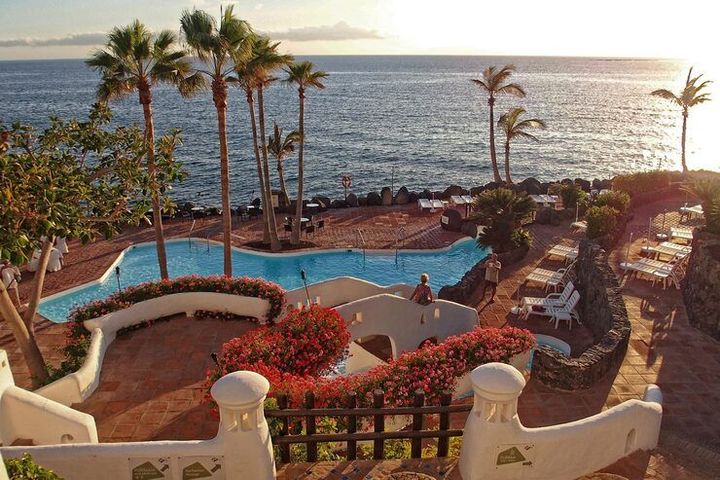
Tenerife resorts range from large beachfront hotel complexes to smaller properties designed for families, couples, and independent travellers.
The island's geographical diversity influences its holiday experiences. Southern Tenerife generally has warmer, drier conditions and established resort areas, while the northern coast is often greener and receives more rainfall. This contrast allows visitors to choose accommodation based on beach access, outdoor activities, local culture, and the type of surroundings they prefer.
Tenerife beach holidays combine coastal relaxation with opportunities to explore volcanic scenery, traditional villages, nature reserves, and historic towns. Hotel features vary considerably, including swimming pools, restaurants, family facilities, wellness areas, and organised recreational activities. Understanding these differences helps travellers assess accommodation options according to their travel plans and personal requirements.
Importance
Why Tenerife Resorts Matter to Travellers
Tenerife resorts play an important role in the island's tourism economy and accommodation infrastructure. They provide places to stay for international visitors, domestic holidaymakers, families, and travellers seeking longer coastal breaks. Their facilities also influence how visitors organise transportation, meals, leisure activities, and excursions.
Accommodation selection can affect the overall convenience of a holiday. A beachfront property may reduce the need for daily journeys to the coast, whereas accommodation inland may provide easier access to walking routes or residential neighbourhoods. Travellers who understand these differences can plan their schedules more effectively.
Who Benefits From Different Resort Features
Different accommodation arrangements suit different travel needs. Families may prioritise swimming pools, interconnected rooms, children's activities, and convenient dining arrangements. Couples may prefer quieter surroundings, sea views, or accommodation near restaurants and coastal walking paths.
Independent travellers often consider public transport, parking, and access to attractions. Visitors with mobility requirements may need step-free entrances, accessible bathrooms, lifts, and suitable routes between accommodation and public areas. These facilities should be confirmed directly because accessibility can vary between properties.
Southern and Northern Tenerife
Southern Tenerife contains well-established resort destinations, including Costa Adeje, Playa de las Américas, and Los Cristianos. These areas have extensive accommodation choices, coastal promenades, restaurants, and access to beaches and excursion facilities.
Northern Tenerife includes destinations such as Puerto de la Cruz, where visitors encounter gardens, historic streets, traditional architecture, and a greener landscape. The north and south offer different environments, so climate preferences, sightseeing plans, and transportation arrangements can influence accommodation decisions.
Recent Updates
Accommodation and Travel Trends
Recent developments across Tenerife's tourism sector reflect wider changes in holiday planning between 2024 and 2026. Travellers increasingly consider accommodation location, environmental impact, digital booking arrangements, and the balance between organised facilities and independent exploration.
Online platforms allow visitors to compare room categories, cancellation conditions, accessibility details, and guest feedback. However, photographs and property descriptions may not fully communicate noise levels, walking distances, seasonal conditions, or the practical suitability of particular facilities.
Sustainability and Visitor Management
Sustainable tourism has become an important subject in the Canary Islands. Discussions include water consumption, waste management, environmental protection, housing pressures, and the effects of visitor activity on local communities. Hotels may respond through water-saving measures, energy management, waste reduction, and changes to food and housekeeping practices.
Travellers may also encounter greater attention to the responsible use of natural areas. Coastal environments, protected landscapes, and volcanic ecosystems require careful management. Following local guidance helps reduce disturbance to wildlife and damage to sensitive habitats.
Digital Planning and Accommodation Choices
Digital travel tools have made it easier to coordinate accommodation, flights, local transportation, and activities. Travellers can review maps, compare journey times, check weather forecasts, and examine room details before finalising arrangements.
The growth of remote work has also influenced some longer stays. Visitors may assess internet reliability, workspace availability, laundry facilities, and access to supermarkets alongside conventional holiday amenities. These practical considerations are especially relevant when accommodation will be used for several weeks.
The following table summarises common differences between Tenerife's principal resort areas.
Resort area | General atmosphere | Common accommodation features | Considerations |
|---|---|---|---|
Costa Adeje | Developed coastal destination | Resorts, pools, restaurants, family facilities | Some areas have steep streets |
Playa de las Américas | Active holiday district | Hotels, entertainment venues, beach access | Evening noise may vary |
Los Cristianos | Coastal town with a harbour | Apartments, hotels, promenades | Port activity and seasonal crowds |
Puerto de la Cruz | Traditional northern resort | Hotels, gardens, coastal facilities | More variable rainfall |
El Médano | Relaxed coastal town | Apartments, smaller hotels, beach access | Wind can affect beach activities |
These descriptions are general rather than guarantees of conditions at individual properties. Exact facilities and local surroundings should be checked for the selected accommodation.
Laws or Policies
Accommodation Regulations in Spain
Tenerife follows Spanish national legislation and regulations established by the government of the Canary Islands. Accommodation businesses must comply with applicable requirements concerning registration, consumer protection, building safety, taxation, and operational standards.
Tourist accommodation categories may have different obligations depending on their classification and location. Hotels, tourist apartments, and holiday rentals are not necessarily governed by identical rules. Travellers should understand the accommodation type shown in a booking description and check whether the property is appropriately registered where required.
Tourist Accommodation and Holiday Rentals
Rules governing holiday rentals have received increased attention across the Canary Islands because of housing availability, neighbourhood impacts, and tourism management. Requirements can differ according to property type, municipal planning provisions, and regional legislation.
The regulatory framework has continued to evolve, so the legality and permitted use of a particular property should not be assumed from an online listing alone. Accommodation operators are responsible for complying with applicable requirements, while travellers benefit from checking registration information and the terms associated with their reservation.
Consumer Rights and Booking Conditions
Consumer protection rules are relevant when arranging Tenerife hotel accommodation. Booking conditions generally explain the agreed room category, payment arrangements, cancellation provisions, and any additional charges that apply.
Before confirming a reservation, travellers should review:
Cancellation and amendment conditions.
Deposit requirements and payment deadlines.
Applicable local taxes or accommodation charges.
Check-in and check-out arrangements.
Policies concerning children, pets, and additional guests.
Procedures for complaints or disputed bookings.
The precise rights available depend on the contract, the circumstances, and applicable law. Travellers visiting from outside Spain should also check entry requirements, passport validity, and any applicable visa conditions through the relevant official authorities.
Tools and Resources
Accommodation Comparison Platforms
Online accommodation platforms help travellers compare Tenerife resorts by location, room type, amenities, guest reviews, and reservation conditions. Filters can narrow results according to swimming pools, beachfront access, family facilities, accessibility, or particular meal arrangements.
Property descriptions should be read carefully. A hotel described as being near the beach may still require a substantial walk, and a sea-view room may not provide direct access to the shoreline. Reviewing map locations and recent guest comments can help clarify these distinctions.
Maps and Transportation Planning
Digital mapping applications are useful for estimating travel distances between accommodation, beaches, airports, and attractions. They can also help identify bus stops, walking routes, parking facilities, and nearby grocery stores.
Tenerife has public bus connections operated across much of the island, while taxis, rental vehicles, and organised excursions provide additional transportation choices. Journey times can vary with traffic, road conditions, and the distance between northern and southern destinations. Planning transfers in advance is particularly useful for travellers with early departures or limited mobility.
Weather and Activity Resources
Weather applications help visitors assess temperatures, rainfall, wind conditions, and coastal forecasts. This information is relevant when choosing between northern and southern accommodation or planning outdoor activities.
Useful resources include official tourism information, regional weather forecasts, local public transport timetables, and guidance published by protected natural areas. Travellers planning excursions to Mount Teide should check access arrangements, trail conditions, weather warnings, and any applicable permit requirements before travelling.
Practical Resort Planning Checklist
A simple comparison checklist can make accommodation decisions more consistent.
Location: Check the actual distance to the beach, restaurants, and transport.
Room facilities: Confirm air conditioning, internet access, bedding arrangements, and storage.
Leisure facilities: Review pool access, opening hours, and any age restrictions.
Dining: Check available meal arrangements and nearby alternatives.
Accessibility: Confirm entrances, lifts, bathroom features, and walking routes.
Reservation terms: Review cancellation provisions, payment conditions, and additional charges.
Seasonal conditions: Consider wind, rainfall, visitor numbers, and local events.
Using the same criteria for each property makes comparisons more meaningful than relying on photographs or broad descriptions alone.
FAQs
What Are the Main Tenerife Resorts for Beach Holidays?
Costa Adeje, Playa de las Américas, and Los Cristianos are established southern destinations with beaches, hotels, restaurants, and coastal facilities. Puerto de la Cruz is another option for visitors interested in northern scenery and traditional surroundings.
When Is a Suitable Time to Visit Tenerife Resorts?
Tenerife can be visited throughout the year because of its subtropical climate. Southern areas are generally drier, while northern areas experience more variable rainfall. The preferred season depends on temperature preferences, outdoor activities, and tolerance for crowds.
What Hotel Features Should Families Check in Tenerife?
Families may consider room capacity, children's pools, lifeguard arrangements, dining options, lift access, and proximity to suitable beaches. Parents should confirm age restrictions, supervision requirements, and the availability of facilities before making a reservation.
Are Tenerife Resorts Suitable for Travellers Without a Car?
Yes, several established resort areas have access to buses, taxis, restaurants, and nearby attractions. However, public transport coverage and journey times vary by location. Travellers planning frequent trips to remote areas may need additional transportation arrangements.
What Rules Apply to Holiday Rentals in Tenerife?
Holiday rentals must comply with the applicable Spanish, Canary Islands, and local requirements. Rules can vary according to property classification, location, and permitted use. Travellers should check the property's registration status where applicable and review its booking terms.
Conclusion
Tenerife resorts offer varied accommodation environments, from developed southern beach destinations to greener northern coastal towns. Resort selection involves considering location, hotel facilities, transportation, seasonal weather, accessibility, and reservation conditions. Tourism regulations and sustainability concerns also form part of the island's evolving visitor landscape. Reliable planning information helps travellers understand the differences between properties and prepare for their individual travel requirements.