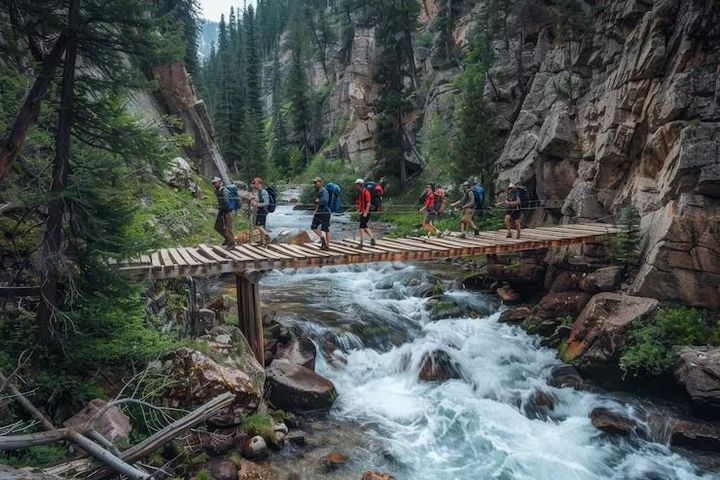
Explore Extreme Expeditions Vacation With Hiking, Diving, and Outdoor Adventure Details
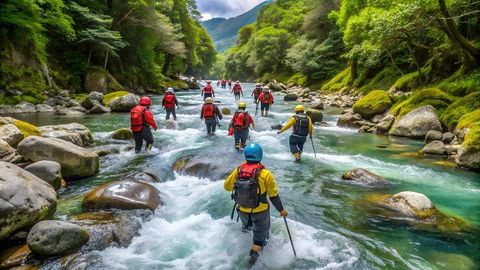
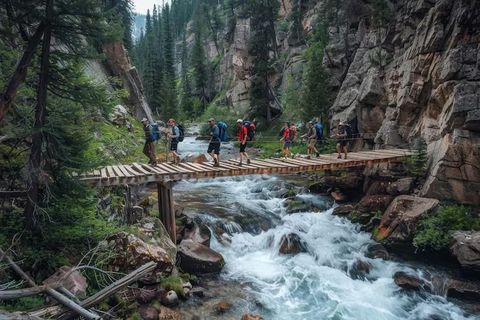
An extreme expeditions vacation combines outdoor exploration, physical activity, and travel through natural environments. These trips may include mountain hiking, scuba diving, wildlife observation, desert trekking, kayaking, glacier exploration, and camping in remote locations.
Unlike conventional holidays that focus on sightseeing and relaxation, expedition travel often involves changing weather, challenging terrain, and activities that require preparation.
The concept developed from mountaineering journeys, scientific exploration, wilderness travel, and underwater discovery. Over time, organized expeditions became more accessible to recreational travelers through guided trekking routes, diving programs, wilderness camps, and structured outdoor itineraries. Today, travelers can explore mountains, coastlines, forests, deserts, and underwater ecosystems through different expedition formats.
An extreme adventure vacation can range from a multiday trek through mountain landscapes to a diving journey involving several underwater locations. The level of physical difficulty varies according to the destination, activity, duration, altitude, and environmental conditions. Understanding these differences helps travelers identify suitable experiences and prepare for the demands of outdoor exploration.
Importance
Why Extreme Adventure Travel Matters
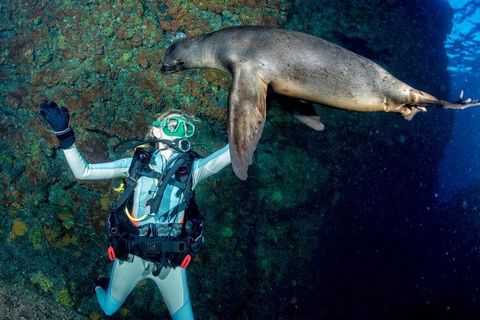
Outdoor expedition travel provides opportunities to experience natural environments beyond developed tourist areas. Hiking introduces travelers to mountain ecosystems, while diving allows them to observe coral reefs, underwater rock formations, and marine life. Activities such as kayaking and wilderness camping also create opportunities to understand local landscapes and environmental conditions.
These experiences can support physical activity, outdoor learning, and personal confidence. Travelers may develop navigation skills, teamwork, patience, and a better understanding of how weather and geography influence outdoor activities. However, the benefits depend on individual circumstances, preparation, and the intensity of the expedition.
Who Participates in Expedition Vacations
Extreme expeditions attract different groups of travelers, including experienced hikers, certified divers, nature enthusiasts, adventure photographers, and people interested in outdoor challenges. Some itineraries are designed for beginners, while others require previous experience, specialized equipment, or advanced technical abilities.
Travelers should consider several factors before selecting an expedition:
Physical readiness: Long hikes, steep climbs, and extended outdoor activities require suitable stamina.
Previous experience: Technical climbing and certain diving activities may require recognized training and demonstrated competence.
Environmental conditions: Temperature, rainfall, altitude, currents, and visibility can affect safety.
Accessibility: Remote destinations may have limited transport, medical facilities, and communication coverage.
Personal comfort: Camping, shared facilities, and unpredictable weather may influence the overall experience.
Challenges Addressed by Careful Planning
Expedition planning helps travelers understand practical challenges before entering unfamiliar environments. Inadequate equipment, poor weather preparation, insufficient hydration, and unrealistic schedules can increase the likelihood of accidents or illness.
Planning also helps manage environmental impact. Popular trails, fragile coral reefs, and wildlife habitats can be affected by careless visitor behavior. Responsible expedition practices include following designated routes, observing wildlife from appropriate distances, carrying out waste, and respecting local communities.
Recent Updates
Trends in Expedition Travel
Recent travel trends reflect growing interest in nature-based experiences, small-group adventures, and activities that combine physical exploration with environmental education. Travelers increasingly investigate trips that include hiking, diving, wildlife observation, and cultural experiences within a single itinerary.
Digital navigation tools and online trip-planning platforms have also changed how people prepare for outdoor expeditions. Mapping applications, weather forecasts, satellite communication devices, and digital booking systems can help travelers evaluate routes and organize logistics. These tools support preparation but cannot eliminate the risks associated with remote environments.
Changes in Equipment and Safety Practices
Outdoor equipment continues to evolve through lighter materials, improved waterproof construction, more efficient insulation, and compact navigation devices. Modern hiking equipment may include lightweight shelters, moisture-managing clothing, trekking poles, and footwear designed for specific terrain. Diving equipment can include improved exposure protection, dive computers, and communication or signaling devices suited to particular environments.
Safety planning increasingly emphasizes environmental awareness and emergency preparedness. Expedition operators may provide equipment briefings, route assessments, trained guides, and emergency procedures. The availability and quality of these arrangements vary by destination and operator, so travelers should examine the details of each itinerary.
Climate and Environmental Considerations
Changing environmental conditions are an important consideration for extreme expeditions. Mountain routes may experience unstable snow conditions, glaciers can change over time, and coastal ecosystems may be affected by warming water and storms. These changes can influence access, seasonal planning, and the suitability of particular activities.
Travelers should understand that published itineraries may change when conditions become unsafe. Flexible schedules and alternative routes can help accommodate closures, weather disruptions, and environmental restrictions. Responsible operators generally need to balance visitor expectations with the protection of participants and natural habitats.
Laws or Policies
Permits and Protected Areas
Extreme adventure vacations are influenced by local laws, conservation rules, land-access requirements, and safety regulations. National parks, marine reserves, mountain regions, and protected wilderness areas may require entry permits, activity-specific authorization, or participation through approved operators.
Requirements differ by country and location. Some mountain expeditions require climbing permits, while certain coastal destinations restrict access to sensitive reefs or protected islands. Travelers should check current rules with the responsible park authority, tourism office, or relevant government department before departure.
Diving, Climbing, and Guided Activities
Scuba diving may be subject to local licensing rules, recognized training requirements, equipment standards, and restrictions on underwater activities. Some destinations require certified guides or limit diving in protected marine areas. Technical diving and specialized climbing may involve additional training and risk-management procedures.
Travelers should confirm whether their qualifications match the planned activity. A basic recreational diving certification, for example, does not automatically qualify someone for deep, overhead-environment, or other specialized dives. Similarly, ordinary hiking experience does not necessarily prepare a person for glacier travel or technical mountaineering.
Insurance and Emergency Preparedness
Travel insurance policies differ in their treatment of adventure activities. Some exclude technical climbing, high-altitude trekking, scuba diving beyond specified depths, or evacuation from remote locations. Participants should examine coverage limits, medical evacuation provisions, and exclusions before relying on a policy.
Local emergency procedures may also determine how rescue operations are organized. Remote areas can have limited road access, inconsistent mobile coverage, and long response times. Following official instructions, respecting temporary closures, and carrying suitable emergency equipment are important elements of expedition safety.
Tools and Resources
Route Planning and Weather Information
Digital mapping and weather tools help travelers understand terrain, elevation, route distance, and changing conditions. Topographic maps are particularly useful for hiking and mountaineering because they show contours, slopes, and geographical features that ordinary road maps may not display clearly.
Useful resources include:
Navigation applications: Support route planning, offline maps, and location awareness.
Weather forecasting platforms: Provide information about precipitation, temperature, wind, and storm conditions.
Official park websites: Explain access rules, permits, trail closures, and conservation requirements.
Local guide organizations: Provide information about route difficulty, seasonal access, and regional hazards.
Emergency communication devices: May support satellite messaging or emergency signaling where cellular networks are unavailable.
Forecasts and digital maps should be treated as planning aids rather than substitutes for local knowledge or sound judgment.
Diving and Outdoor Equipment
Equipment selection depends on the activity, destination, duration, and environmental conditions. Hiking may require suitable footwear, layered clothing, a navigation system, water containers, and emergency supplies. Diving requires activity-appropriate equipment, training, and checks before entering the water.
The following table summarizes common expedition activities and their general requirements.
Activity | Typical equipment | Important preparation |
|---|---|---|
Mountain hiking | Hiking boots, backpack, layers, navigation tools | Fitness, route assessment, weather awareness |
Scuba diving | Mask, fins, exposure suit, regulator, dive computer | Certification, equipment checks, dive planning |
Desert trekking | Sun protection, water containers, navigation tools | Heat awareness, hydration, route logistics |
Kayaking | Suitable kayak, personal flotation device, paddle | Water conditions, rescue procedures, paddling skills |
Glacier exploration | Activity-specific clothing and technical equipment | Specialized training, hazard assessment, qualified guidance |
Wilderness camping | Shelter, sleeping system, cooking equipment | Campground rules, temperature planning, waste management |
Equipment should be appropriate for the expected conditions rather than selected solely for weight or convenience. Specialized activities may require professional instruction and equipment inspections.
Budget and Itinerary Planning
An expedition budget should account for transportation, accommodation, permits, guides, equipment rental, meals, insurance, and emergency contingencies. Remote destinations may involve additional transport arrangements, while specialized activities can require training or technical equipment.
A useful itinerary template records the destination, activity, expected duration, difficulty, required permits, accommodation arrangements, emergency contacts, and backup plans. It should also identify rest periods and allow flexibility when weather or environmental conditions change.
FAQs
What Is an Extreme Expeditions Vacation?
An extreme expeditions vacation is a trip centered on physically challenging outdoor activities, such as mountain hiking, scuba diving, wilderness camping, or remote-area exploration. Difficulty depends on the route, environment, and experience required.
How Can Travelers Prepare for Hiking and Diving Adventures?
Preparation includes evaluating physical readiness, checking environmental conditions, selecting appropriate equipment, and confirming any necessary training or certification. Hiking and diving require different skills, so each activity should be assessed separately.
Which Destinations Are Suitable for Extreme Outdoor Adventures?
Suitable destinations include mountain regions, coastal areas, deserts, forests, and remote wilderness zones. The appropriate choice depends on seasonal conditions, accessibility, activity requirements, and the traveler's experience.
Is Travel Insurance Important for an Extreme Adventure Vacation?
Insurance can help address eligible medical expenses, trip interruptions, or evacuation needs, depending on the policy. Travelers should verify whether their planned activities and locations are covered, including any altitude or diving-depth restrictions.
What Equipment Is Needed for an Extreme Expedition?
Equipment varies by activity but may include suitable clothing, footwear, navigation tools, hydration supplies, emergency equipment, and activity-specific gear. Technical climbing and scuba diving may require additional equipment and specialized training.
Conclusion
Extreme expeditions vacations combine hiking, diving, and outdoor exploration with opportunities to understand natural environments and develop practical skills. Successful preparation involves assessing activity difficulty, equipment requirements, weather conditions, local regulations, and emergency arrangements. Responsible travel practices also help protect wildlife, fragile ecosystems, and local communities. Careful planning provides a clearer understanding of the opportunities and risks associated with expedition travel.