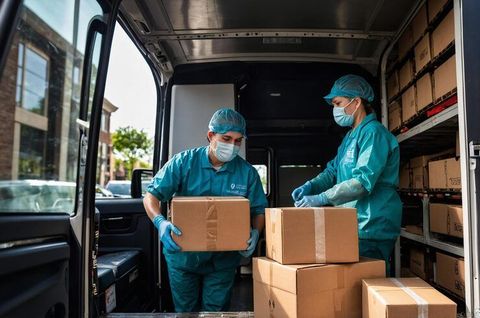
Healthcare Staffing Services Overview With Recruitment Processes and Workforce Management
Healthcare staffing refers to the process of organizing, recruiting, selecting, and managing qualified professionals to meet the workforce requirements of hospitals, clinics, nursing facilities, laboratories, and other healthcare organizations.
It includes medical practitioners, registered nurses, nursing assistants, laboratory technicians, pharmacists, administrative personnel, and other healthcare workers who contribute to patient care and daily operations.
The concept developed as healthcare institutions expanded and medical responsibilities became more specialized. Hospitals needed structured workforce planning to ensure that different departments had appropriately qualified personnel. As patient populations increased and healthcare systems became more complex, organized staffing arrangements became an important part of healthcare administration.
Healthcare staffing involves several interconnected activities, including:
Workforce planning to estimate the number of professionals required in different departments.
Recruitment processes to identify individuals with suitable qualifications and experience.
Credential verification to confirm professional education, registration, and relevant certifications.
Staff scheduling to organize working hours, shifts, and department coverage.
Workforce management to monitor performance, attendance, training, and staff development.
Healthcare organizations may manage these activities internally or work with external staffing agencies and recruitment organizations. The approach depends on institutional size, workforce requirements, operational structure, and applicable employment regulations.
Main Categories of Healthcare Staffing
Healthcare staffing generally covers several professional categories. Clinical staffing includes doctors, nurses, surgeons, therapists, and other professionals directly involved in patient care.
Non-clinical staffing includes receptionists, medical records personnel, healthcare administrators, billing specialists, and facility management employees. Technical staffing covers laboratory technicians, radiology professionals, medical equipment specialists, and information technology personnel.
Each category requires different qualifications, training, responsibilities, and supervision arrangements. Understanding these differences helps healthcare administrators plan departmental requirements more accurately.
Importance of Healthcare Staffing
Healthcare staffing plays an important role in maintaining organized medical operations and supporting consistent patient care. Hospitals and clinics depend on appropriately qualified personnel to manage consultations, diagnostic procedures, emergency situations, patient monitoring, and administrative responsibilities.
Insufficient staffing can increase workloads for existing employees, contribute to scheduling difficulties, and create operational pressure. On the other hand, effective workforce planning helps distribute responsibilities according to departmental needs and professional qualifications.
Who Does Healthcare Staffing Affect?
Healthcare staffing affects several groups across the medical environment.
Patients depend on appropriately qualified professionals for consultations, treatment procedures, monitoring, and general medical assistance.
Healthcare professionals need organized schedules, manageable workloads, suitable workplace arrangements, and opportunities for professional development.
Hospital administrators are responsible for workforce allocation, departmental coverage, recruitment planning, and operational continuity.
Healthcare organizations must maintain appropriate staffing levels while meeting professional and regulatory requirements.
Educational institutions contribute by preparing future healthcare professionals through academic programs, practical training, and clinical placements.
Common Healthcare Workforce Challenges
Healthcare organizations encounter several workforce management difficulties.
Staff shortages: Certain departments may experience difficulties maintaining sufficient numbers of qualified professionals.
Scheduling complications: Rotating shifts, emergency requirements, and employee availability can make workforce scheduling challenging.
Employee retention: Heavy workloads, workplace pressure, and limited development opportunities may influence staff retention.
Credential verification: Healthcare institutions must confirm professional qualifications and registration before assigning clinical responsibilities.
Workforce distribution: Rural facilities, specialized departments, and smaller medical institutions may experience different workforce requirements.
Addressing these challenges requires coordinated recruitment, realistic workforce planning, staff development, and continuous operational monitoring.
Healthcare Staffing Models
Different healthcare institutions use different workforce arrangements depending on their operational requirements.
| Staffing Model | Main Characteristics | Common Applications |
|---|---|---|
| Permanent staffing | Employees work under ongoing employment arrangements | Hospitals and clinics |
| Temporary staffing | Personnel are engaged for limited periods | Seasonal workforce requirements |
| Contract staffing | Professionals work under defined contractual arrangements | Specialized departments |
| Travel nursing | Nurses work temporarily in different locations | Facilities with regional shortages |
| Per diem staffing | Professionals work when additional coverage is required | Flexible shift arrangements |
| Internal staffing pools | Existing employees are assigned across departments | Multi-department hospitals |
These models provide different levels of workforce flexibility. Healthcare administrators generally consider qualifications, departmental needs, employment conditions, and continuity of patient care when selecting an appropriate arrangement.
Recent Developments in Healthcare Staffing
Healthcare workforce management continues to evolve through digital technologies, changing employee expectations, demographic developments, and increasing demand for specialized medical expertise.
Recent developments from 2024 through 2026 have placed greater attention on workforce planning, employee retention, digital recruitment systems, and the effective use of healthcare information technology.
Artificial Intelligence in Recruitment
Artificial intelligence is increasingly being incorporated into recruitment administration. Digital platforms can help organize applications, identify relevant qualifications, manage candidate records, and support communication throughout recruitment processes.
These systems can reduce repetitive administrative work. However, human review remains important because automated screening may overlook relevant experience or produce unsuitable results if its criteria are poorly designed.
Digital Workforce Management Systems
Healthcare organizations are increasingly using workforce management software to coordinate employee schedules, attendance, shift changes, and departmental requirements.
Some platforms provide centralized dashboards that help administrators identify scheduling gaps and review workforce availability. Integration with hospital information systems can also improve administrative coordination.
Growing Demand for Specialized Professionals
Healthcare systems continue to require professionals with specialized knowledge in areas such as critical care, diagnostic imaging, rehabilitation, geriatric care, and healthcare technology.
An aging population, changing patient requirements, and the expansion of specialized medical facilities contribute to evolving workforce requirements. Educational institutions and healthcare organizations are therefore placing greater emphasis on professional training and continuing education.
Employee Retention and Workplace Flexibility
Employee retention has become an important workforce management consideration. Healthcare institutions are paying greater attention to workload distribution, professional development, flexible scheduling, workplace safety, and employee well-being.
Digital scheduling tools and structured development programs can support these objectives, although their effectiveness depends on implementation and organizational conditions.
Healthcare Staffing Laws and Policies
Healthcare staffing is influenced by employment legislation, professional licensing requirements, workplace safety rules, patient protection standards, and healthcare facility regulations. The specific requirements vary by country and sometimes by regional or state authority.
Healthcare organizations must understand the legal responsibilities associated with employing medical professionals and assigning clinical duties.
Professional Registration and Qualification Requirements
Medical professionals generally need recognized educational qualifications and appropriate professional registration before practicing within regulated healthcare occupations.
Depending on the profession and jurisdiction, verification may include:
Academic qualifications and professional certificates.
Current registration with the relevant licensing authority.
Professional experience and specialized training.
Background and identity verification where legally required.
Continuing professional education requirements.
Healthcare institutions must also ensure that employees perform duties within their authorized professional scope.
Employment and Workplace Regulations
Employment regulations generally address working hours, compensation, leave entitlements, workplace safety, contractual arrangements, and employee protection.
Healthcare organizations must consider these requirements when developing staff schedules, allocating shifts, and preparing employment agreements. Additional provisions may apply to night shifts, overtime, temporary employment, and occupational hazards.
Patient Safety and Staffing Responsibilities
Healthcare regulations commonly establish responsibilities relating to patient safety, professional conduct, medical records, confidentiality, and institutional accountability.
Some jurisdictions also establish minimum staffing requirements or specific workforce standards for particular healthcare facilities and departments. These requirements may differ according to facility classification, patient capacity, and clinical activities.
Because healthcare legislation changes between jurisdictions, institutions must consult the relevant government authorities and professional regulatory bodies for applicable requirements.
Healthcare Staffing Tools and Resources
Technology and administrative resources help healthcare organizations manage recruitment activities and workforce operations. Their usefulness depends on organizational size, system compatibility, data protection requirements, and workforce complexity.
Recruitment and Applicant Tracking Software
Applicant tracking systems help organize candidate applications, professional qualifications, interview schedules, and recruitment progress.
These platforms can maintain centralized candidate records and support communication between recruitment teams and department administrators.
Workforce Scheduling Platforms
Workforce scheduling software helps coordinate shifts, employee availability, leave requests, and departmental coverage. Some systems also identify scheduling conflicts and provide reports about staffing requirements.
Credential Verification Resources
Professional regulatory databases and qualification verification platforms help organizations confirm medical credentials and professional registration. These checks are particularly important when recruiting individuals for clinical responsibilities.
Healthcare Workforce Planning Templates
Administrative templates can help institutions prepare structured workforce plans. Common examples include:
Staff requirement assessment sheets.
Employee attendance registers.
Shift scheduling templates.
Recruitment progress trackers.
Professional training records.
Workforce performance reports.
Common Digital Platforms
Healthcare organizations may use human resource management systems, applicant tracking software, hospital management platforms, and workforce analytics applications.
These tools support different administrative activities. Before implementation, institutions generally evaluate data security, user access controls, integration capabilities, reporting functions, and compliance requirements.
Frequently Asked Questions
What Are Healthcare Staffing Services?
Healthcare staffing refers to the organized recruitment, selection, placement, and management of qualified medical and non-medical professionals. It helps healthcare institutions coordinate workforce requirements across different departments.
How Does the Healthcare Staffing Recruitment Process Work?
The recruitment process generally includes workforce assessment, candidate sourcing, application screening, interviews, credential verification, selection, and onboarding. The exact procedure depends on the organization and the professional position.
What Is Healthcare Workforce Management?
Healthcare workforce management involves planning employee schedules, monitoring attendance, allocating personnel, managing workloads, and supporting professional development. It helps administrators coordinate staffing requirements across healthcare departments.
What Qualifications Are Required for Healthcare Staffing?
Requirements depend on the professional role. Doctors, nurses, technicians, and other regulated professionals generally need relevant education, professional registration, and appropriate training. Administrative positions may have different academic and experience requirements.
How Does Technology Improve Healthcare Staffing?
Digital recruitment and workforce management systems help organize applications, verify records, coordinate schedules, and monitor staffing requirements. Artificial intelligence can also support administrative screening, although professional decisions require appropriate human oversight.
Conclusion
Healthcare staffing is an essential component of healthcare administration, connecting qualified professionals with the workforce requirements of medical institutions. Recruitment processes, credential verification, scheduling systems, and workforce planning contribute to organized healthcare operations. Digital technologies and changing professional requirements continue to influence how healthcare organizations manage their employees. Effective workforce management depends on appropriate qualifications, regulatory compliance, employee support, and institutional planning.