Electric Power Projects Basics With Power Generation, Grid Systems, and Development Trends
Electric power projects are planned developments that generate electricity, transmit it across regions, or distribute it to homes, businesses, and industrial facilities. These projects form an essential part of modern infrastructure because electricity supports lighting, heating, communication, transportation, manufacturing, healthcare, and education.
Understanding electric power projects basics helps explain how electricity moves from a generation facility to the people and organizations that depend on it.
Electricity can be generated from several energy sources, including coal, natural gas, nuclear energy, hydropower, wind, and solar power. Each source uses different equipment and operating processes, but all generation projects aim to produce electrical energy that can be delivered through a connected power system.
Electric power development generally involves planning, engineering, environmental assessment, equipment installation, grid connections, and ongoing operation. Project size varies from small renewable energy installations to large power stations and regional transmission networks. The design depends on electricity demand, available resources, geographical conditions, technical requirements, and applicable regulations.
Main Types of Electric Power Projects
Electric power projects can be grouped into several categories according to their purpose.
Power generation projects produce electricity using conventional or renewable energy sources.
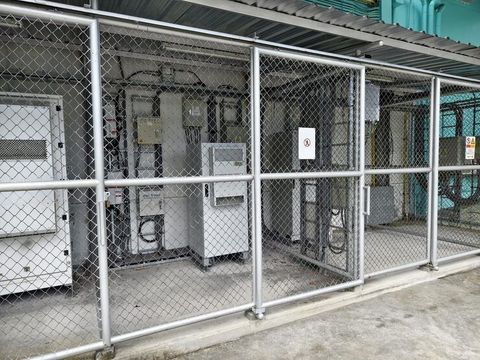
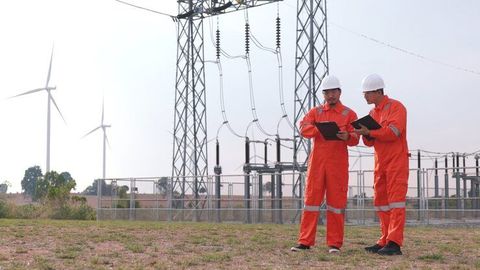
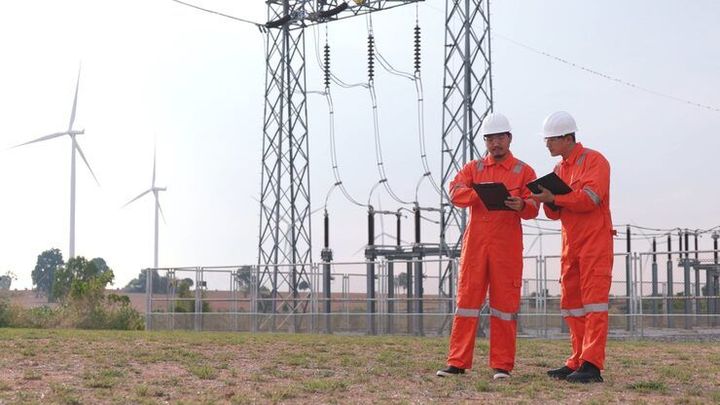
Transmission projects transport electricity over long distances through high-voltage lines and substations.
Distribution projects deliver electricity from local substations to individual consumers.
Energy storage projects store electricity for later use, helping balance supply and demand.
Grid modernization projects improve monitoring, protection, automation, and network reliability.
These categories often work together. A new solar power plant, for example, may require transmission upgrades, substations, and storage equipment before its electricity can be integrated effectively into the wider network.
How an Electric Power Project Develops
The development process typically begins with an assessment of electricity demand and available energy resources. Engineers then evaluate potential locations, technical feasibility, environmental considerations, grid access, and project financing.
After planning and approvals, the construction phase includes preparing the site, installing equipment, connecting electrical systems, and testing protective controls. Once commissioning is complete, the facility can begin operating according to applicable technical and safety requirements.
Importance
Electric power projects matter because modern communities depend on a reliable electricity supply. Hospitals need power for essential equipment, businesses require electricity to operate machinery and digital systems, and households depend on it for lighting, refrigeration, communication, and other everyday activities.
Electricity demand is also changing as more vehicles become electric, industrial facilities adopt automation, and digital infrastructure expands. These developments create pressure to increase generation capacity while maintaining a stable balance between electricity production and consumption.
Challenges Addressed by Power Infrastructure
Well-planned power infrastructure addresses several practical challenges.
Electricity shortages: Additional generation capacity can help meet rising demand when supported by suitable transmission and distribution infrastructure.
Network congestion: New transmission lines and upgraded substations can help move electricity from generation areas to consumption centers.
Renewable energy integration: Grid improvements and energy storage can help accommodate electricity from sources whose output changes with weather conditions.
Equipment reliability: Modern protection systems and preventive maintenance help reduce certain equipment failures and interruptions.
Environmental impacts: Renewable energy projects and efficiency improvements can contribute to lower operational emissions, depending on the technologies and energy sources involved.
Who Is Affected by Electric Power Development?
Households experience the effects of electricity infrastructure through supply reliability and access to power. Industrial companies depend on stable voltage, adequate capacity, and dependable connections to support production processes.
Governments, utilities, project developers, equipment manufacturers, and local communities also have important roles. Project planning must consider land use, environmental protection, public safety, technical performance, and the needs of people living near proposed facilities.
Recent Updates
Electric power development is increasingly influenced by renewable energy expansion, digital technologies, battery storage, and changing patterns of electricity demand. Across many regions, planners are working to connect new generation facilities while improving existing networks and managing the technical challenges of a changing energy mix.
Renewable Power Generation Trends
Solar and wind projects continue to play an important role in electricity planning. Their output varies with sunlight and wind conditions, so grid operators must coordinate generation forecasts, flexible power plants, storage systems, and electricity demand.
Hydropower and nuclear power can contribute to electricity supply where geographical conditions, technical requirements, public policy, and project economics support their use. Conventional thermal power plants also remain part of many electricity systems, although their future roles vary by region.
Smart Grids and Digital Monitoring
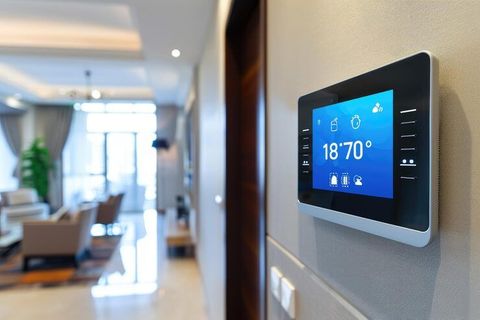
Smart grid technologies use digital sensors, communication systems, and automated controls to improve visibility across electricity networks. Operators can monitor equipment conditions, identify unusual operating patterns, and respond more effectively to certain faults.
Artificial intelligence and data analytics are also being explored for demand forecasting, predictive maintenance, and renewable energy management. Their effectiveness depends on data quality, cybersecurity, system integration, and appropriate human oversight.
Battery Storage and Grid Flexibility
Battery energy storage systems can absorb electricity when supply is available and discharge it when additional power is needed. They can help manage short-term fluctuations, support certain grid operations, and improve the integration of variable renewable generation.
Long-duration storage, upgraded transmission infrastructure, and demand-response programs are also receiving attention. These approaches address different operating challenges and may be combined according to the requirements of a particular electricity system.
Common Technologies in Modern Power Projects
Technology | Main purpose | Important consideration |
|---|---|---|
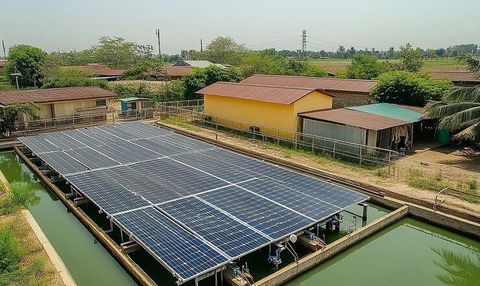
Solar photovoltaic panels | Convert sunlight into electricity | Output varies with sunlight and weather |
Wind turbines | Convert wind energy into electricity | Output depends on wind conditions |
Hydropower turbines | Generate electricity using moving water | Water availability and ecological impacts |
Battery storage | Store and release electrical energy | Duration, efficiency, and battery management |
High-voltage transmission | Transport electricity over long distances | Network capacity and equipment protection |
Smart grid controls | Monitor and manage electricity networks | Cybersecurity and reliable communications |
These technologies are not interchangeable. Their suitability depends on local resources, electricity demand, network conditions, environmental requirements, and operating objectives.
Laws or Policies
Electric power projects operate within regulatory frameworks that govern planning, construction, environmental protection, electricity generation, grid connections, and public safety. The exact requirements depend on the country, project type, energy source, facility size, and location.
Electricity Regulation and Grid Connections
National and regional authorities may establish licensing requirements, technical standards, electricity market rules, and procedures for connecting generation facilities to the grid. Transmission and distribution operators typically apply technical requirements to ensure that connected facilities operate safely and do not compromise network stability.
Developers may need approvals covering land use, construction, electrical safety, water resources, emissions, and environmental impacts. Large infrastructure projects can also require consultation with affected communities and assessment of potential impacts on surrounding areas.
Environmental and Renewable Energy Policies
Environmental policies can influence the choice of generation technology, site selection, emissions controls, and project monitoring. Renewable energy programs may establish capacity targets, procurement arrangements, grid access rules, or incentives, depending on the jurisdiction.
Energy efficiency policies can also influence electricity demand and infrastructure planning. These measures may encourage more efficient equipment, improved building performance, and better management of peak electricity consumption.
Policy Considerations in India
In India, electricity development is shaped by the Electricity Act, 2003, regulations issued by the Central Electricity Regulatory Commission and state electricity regulatory commissions, and applicable grid and safety requirements. The Ministry of Power and the Ministry of New and Renewable Energy have responsibilities relevant to electricity infrastructure and renewable energy development.
Policies and programs concerning renewable energy, transmission expansion, and grid modernization influence project planning. However, individual projects must meet the specific approvals and technical requirements that apply to their location and configuration.
Tools and Resources
Several technical tools help project planners, engineers, researchers, and students understand electric power systems. Their functions range from estimating energy production to evaluating electrical networks and tracking project development.
Energy and Power Calculators
Electricity calculators can estimate energy consumption, generation, and system requirements. For example, multiplying a device's power rating in kilowatts by its operating time in hours gives its energy consumption in kilowatt-hours, assuming a constant power level.
Solar energy calculators can provide preliminary estimates based on location, panel capacity, sunlight conditions, and system losses. These estimates are useful for initial comparisons but do not replace detailed engineering assessments.
Grid Planning and Simulation Software
Power system simulation tools help analyze voltage levels, power flows, equipment loading, and fault conditions. Engineers use these tools to examine how a new power plant, transmission line, or substation may affect an existing network.
Project planning platforms can also organize construction schedules, equipment requirements, risk registers, and commissioning activities. Their usefulness depends on accurate project data and consistent updates.
Public Energy Information Resources
Government energy departments, electricity regulators, system operators, and national statistical agencies publish information about electricity generation, installed capacity, demand, and infrastructure development. Renewable energy databases and weather datasets can provide additional context for evaluating potential project locations.
For an introductory study, the most useful information usually includes annual electricity generation, peak demand, installed capacity, transmission availability, energy source composition, and project completion status. Comparing these indicators helps readers understand how electricity infrastructure is evolving.
FAQs
What Are Electric Power Projects?
Electric power projects are developments involving electricity generation, transmission, distribution, storage, or grid modernization. They help supply electricity to residential, commercial, and industrial users.
How Do Power Generation and Grid Systems Work Together?
Power generation facilities produce electricity, while transmission networks carry it over long distances. Substations adjust voltage levels, and distribution networks deliver electricity to end users through local connections.
What Are the Main Types of Power Generation Projects?
Common types include solar, wind, hydropower, nuclear, and fossil-fuel power projects. Each has different operating characteristics, environmental impacts, infrastructure requirements, and patterns of electricity production.
How Are Renewable Energy Projects Connected to the Electricity Grid?
Renewable energy projects use electrical equipment, protection systems, and grid connections to supply power to the network. Depending on the project, additional transmission capacity, voltage-control equipment, storage, or forecasting systems may be necessary.
What Factors Influence Electric Power Project Development?
Important factors include electricity demand, available energy resources, site conditions, environmental impacts, financing, construction requirements, regulatory approvals, and grid connection capacity. These factors influence the project's design, schedule, and operational requirements.
Conclusion
Electric power projects connect electricity generation, transmission, distribution, and storage into systems that support everyday life and economic activity. Renewable energy, battery storage, and digital grid technologies are influencing how new facilities are planned and operated. Regulatory requirements, environmental considerations, and network capacity remain important parts of project development. Understanding these fundamentals provides a useful foundation for learning about power infrastructure and electricity system development.