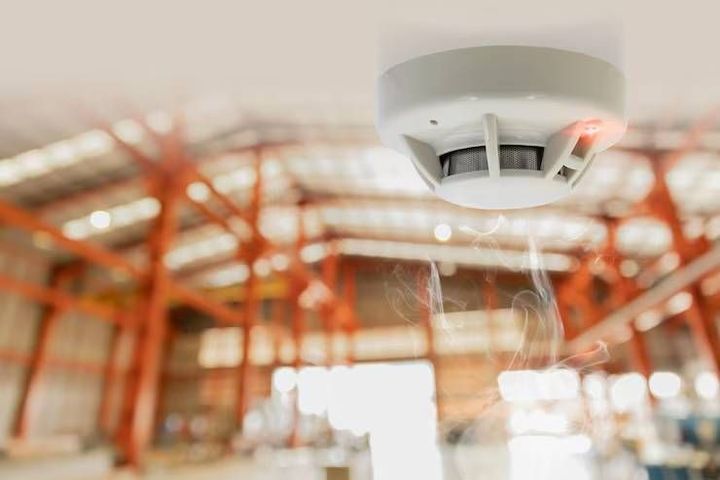
Explore Fire Alarm Systems With Smoke Detectors, Control Panels, and Alert Devices
Fire alarm systems are safety arrangements designed to detect signs of fire and notify people inside buildings. They combine smoke detectors, heat detectors, control panels, alarm bells, sounders, and visual alert devices to identify potential danger and communicate warnings.
These systems are used in residential buildings, offices, factories, hospitals, educational institutions, hotels, warehouses, and public facilities.
The development of fire alarm technology grew from the need to identify fires earlier and alert occupants before flames and smoke spread throughout a building. Early systems relied on relatively simple electrical circuits and manual alarm points. Modern fire alarm systems can combine electronic sensors, digital control panels, wireless communication, and building management technologies.
A fire alarm system generally operates through three main stages: detection, signal processing, and notification. A detector identifies smoke, heat, or another fire-related condition. The control panel evaluates the incoming signal and activates appropriate warning devices according to the system configuration.
Some installations also communicate with other building safety equipment, including automatic door controls, smoke management systems, and fire suppression equipment. The exact functions depend on the building layout, system design, and applicable safety requirements.
Main Components of a Fire Alarm System
The components of a fire alarm system work together to identify potential fire conditions and alert occupants.
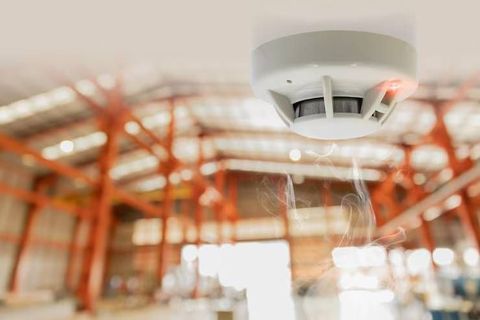
Smoke detectors: Identify airborne particles associated with smoke.
Heat detectors: Respond when temperatures reach a specified threshold or rise unusually quickly.
Fire alarm control panel: Receives signals, displays system conditions, and coordinates alarm responses.
Manual call points: Allow occupants to activate an alarm when they discover a fire.
Audible alert devices: Use bells, horns, or sounders to communicate warnings.
Visual alert devices: Use flashing lights to notify people who may not hear audible alarms.
Backup power supply: Helps the system continue operating during interruptions to the main electrical supply.
Importance
Fire alarm systems are important because smoke and fire can spread through buildings before occupants recognize the danger. Early warning gives people more time to understand the situation, follow evacuation procedures, and move toward designated exits. The effectiveness of this process depends on detector placement, alarm audibility, system condition, and occupant awareness.
These systems affect building owners, tenants, employees, visitors, facility managers, and emergency responders. They are particularly relevant in buildings with sleeping occupants, large numbers of visitors, complex floor plans, or people who need assistance during evacuation.
Common Problems Addressed by Fire Detection
Fire alarm systems help address several practical safety challenges.
Delayed fire recognition: Smoke detectors can identify smoke before flames become visible in some fire scenarios.
Limited visibility: Smoke may obstruct escape routes, making early warnings important.
Large building layouts: Connected alarm devices can notify occupants across multiple rooms or floors.
Unoccupied areas: Automatic detectors can identify potential fire conditions when no one is present to notice them.
Electrical interruptions: Backup batteries or emergency power arrangements can support continued operation when the primary supply fails.
A fire alarm does not eliminate fire risk or replace evacuation planning. It is one part of a broader fire safety arrangement that may also include suitable exits, emergency lighting, fire doors, extinguishers, staff training, and building maintenance.
Where Fire Alarm Systems Are Used
Different buildings require different arrangements based on their size, occupancy, activities, and fire hazards.
Residential properties may use interconnected smoke alarms to notify occupants in multiple rooms. Commercial buildings often require coordinated detection and notification across separate areas. Industrial facilities may need additional heat detection or specialized devices suited to dusty, humid, or high-temperature environments.
Hospitals, hotels, and care facilities may require carefully coordinated alarm responses because some occupants cannot evacuate independently. In these environments, system design must account for accessibility, staff procedures, and the movement of people through designated safe routes.
Recent Updates
Recent developments in fire alarm technology have focused on connected monitoring, improved detection, easier system maintenance, and integration with other building technologies. Digital control panels and addressable systems can provide more detailed information about the location of an activated detector or a fault, helping responsible personnel identify the affected area.
Smart and Connected Fire Detection
Some modern fire alarm systems connect with building management platforms or authorized remote monitoring arrangements. Depending on the equipment, these connections can communicate alarm conditions, equipment faults, and maintenance notifications to designated personnel.
Connected technology can improve visibility into system conditions, but it also introduces considerations such as network reliability, cybersecurity, access permissions, and communication failures. A connected system should retain the required local alarm functions specified by its design and applicable rules.
Improvements in Detector Technology
Manufacturers continue to develop detectors that distinguish fire-related signals from certain environmental conditions. Multisensor detectors may combine smoke, heat, or other sensing methods to assess a wider range of conditions than a single-sensor device.
These technologies can help reduce some unwanted alarms when properly selected and configured. However, cooking fumes, dust, steam, unsuitable installation locations, and equipment faults can still cause problems.
Wireless and Addressable Systems
Wireless fire alarm devices communicate with a control unit without requiring a separate signal cable for every device. They can be useful in some existing buildings where installing new wiring is difficult, although radio coverage, battery condition, interference, and system compatibility require consideration.
Addressable fire alarm systems assign identifiable addresses to individual devices or points. This allows a compatible control panel to indicate which detector or call point reported a condition. Conventional systems generally identify the affected circuit or zone rather than the exact individual device.
The following table compares common fire alarm system types.
System type | Main characteristic | Common application |
|---|---|---|
Conventional | Identifies an activated zone or circuit | Smaller or simpler buildings |
Addressable | Identifies individual connected devices | Complex commercial buildings |
Wireless | Uses radio communication between compatible devices | Selected existing buildings |
Networked | Connects multiple control panels or system sections | Large buildings and multi-building sites |
Smart or integrated | Shares information with compatible building platforms | Buildings requiring coordinated monitoring |
The appropriate technology depends on the building's risk assessment, required coverage, maintenance arrangements, and applicable regulations rather than on connectivity alone.
Laws or Policies
Fire alarm system requirements vary by country, region, building classification, occupancy, and construction type. Local building regulations and fire safety rules may specify where detection is required, which alarm devices must be installed, how systems are tested, and what documentation must be maintained.
Fire Alarm Regulations in India
In India, fire safety requirements are shaped by building regulations, applicable state rules, municipal requirements, and relevant technical standards. The National Building Code of India provides guidance on fire and life safety, including fire detection, alarm arrangements, escape routes, and related building protection measures.
The applicable requirements depend on the building's occupancy category, height, size, and use. State fire authorities and local approval processes may impose additional conditions, particularly for certain commercial, institutional, industrial, and high-rise buildings.
Relevant Indian Standards published by the Bureau of Indian Standards may address fire detection and alarm equipment, installation practices, testing, and performance. The specific standard and edition applicable to a project should be confirmed through the relevant authority and project documentation.
Compliance and Maintenance Considerations
Building owners and responsible facility personnel may need to maintain installation records, inspection reports, testing logs, and evidence of required approvals. Periodic inspection and maintenance help identify damaged detectors, battery problems, disconnected circuits, obstructed devices, and other faults.
Important considerations include:
Installing equipment suitable for the building's intended use.
Following approved installation drawings and applicable technical requirements.
Maintaining clear access to manual call points and alarm devices.
Testing detectors, control panels, power supplies, and notification equipment according to the prescribed schedule.
Documenting faults, repairs, inspections, and system changes.
Ensuring occupants understand alarm signals and evacuation procedures.
Requirements are not identical across all buildings. The applicable authority and the building's approved fire safety documentation determine the relevant obligations.
Tools and Resources
Fire alarm planning and maintenance can involve technical documentation, building drawings, inspection checklists, device specifications, and testing records. These resources help responsible personnel understand system coverage and monitor equipment condition.
Useful Fire Alarm Resources
Building floor plans: Show rooms, corridors, stairways, exits, and potential detector locations.
Detector placement guides: Explain considerations such as ceiling height, airflow, obstructions, and environmental conditions.
Manufacturer manuals: Describe equipment compatibility, operating indicators, testing procedures, and fault codes.
Inspection checklists: Record the condition of detectors, call points, sounders, control panels, batteries, and visible wiring.
Maintenance logs: Document inspections, alarm events, repairs, and identified faults.
Evacuation plans: Show escape routes, assembly areas, and arrangements for people requiring assistance.
Technical standards: Explain relevant performance, installation, and testing requirements.
The National Building Code of India and applicable Bureau of Indian Standards publications can provide background on fire safety requirements. Local fire authorities may also publish guidance on building approvals, inspections, and fire prevention.
Understanding System Indicators
Control panels commonly display different conditions that help authorized personnel assess system status.
Indicator | Typical meaning | Appropriate response |
|---|---|---|
Normal | No reported alarm or fault | Continue scheduled checks |
Fire alarm | A detector or call point has reported an alarm | Follow the building's emergency procedure |
Fault | A device, circuit, or power component may have a problem | Arrange investigation by qualified personnel |
Disablement | Part of the system has been intentionally taken out of operation | Confirm authorization and required compensating precautions |
Test | A system component is being tested | Follow the approved testing procedure |
Indicator meanings vary by control panel, so the manufacturer's documentation remains important. An alarm should never be dismissed simply because it may have been triggered accidentally.
FAQs
What is a fire alarm system?
A fire alarm system is a group of detectors, control equipment, and alert devices designed to identify potential fire conditions and warn building occupants. Depending on its configuration, it may also communicate with other building safety systems.
How do smoke detectors work in fire alarm systems?
Smoke detectors identify airborne particles associated with smoke using sensing technologies such as optical detection or ionization. The detector sends a signal to an alarm device or control panel, depending on the system design.
What is the purpose of a fire alarm control panel?
A fire alarm control panel receives signals from connected detectors and manual call points. It processes system conditions, activates configured warning devices, and may display the location of an alarm or equipment fault.
What is the difference between conventional and addressable fire alarm systems?
A conventional system generally identifies the zone or circuit where an alarm originates. An addressable system can identify individual compatible devices, making it easier to locate the source of an alarm or fault in complex buildings.
How often should fire alarm systems be tested?
Testing frequency depends on applicable regulations, the system design, manufacturer instructions, and the building's maintenance plan. Routine checks and scheduled inspections should follow the relevant requirements, with defects investigated by qualified personnel.
Conclusion
Fire alarm systems combine smoke detectors, heat detectors, control panels, and alert devices to provide warnings when potential fire conditions are detected. Their design varies according to building size, occupancy, environmental conditions, and applicable fire safety requirements. Developments in addressable detection, wireless communication, and connected monitoring have expanded the ways systems can communicate information about alarms and faults. Proper installation, inspection, maintenance, and occupant awareness remain important elements of an effective building fire safety arrangement.