Carton Folding Machines Guide With Packaging Technology and Production Insights
Carton folding machines are automated packaging systems designed to fold pre-cut and creased paperboard blanks into carton shapes. They are commonly used after printing and die-cutting processes, helping convert flat carton sheets into folded packages prepared for later packing and distribution.
The basic idea behind carton folding has existed for many years, but modern equipment has developed alongside the growth of automated packaging. Earlier production methods depended heavily on manual folding and adhesive application. As packaging volumes increased, manufacturers introduced mechanical systems that could perform folding operations with greater consistency.
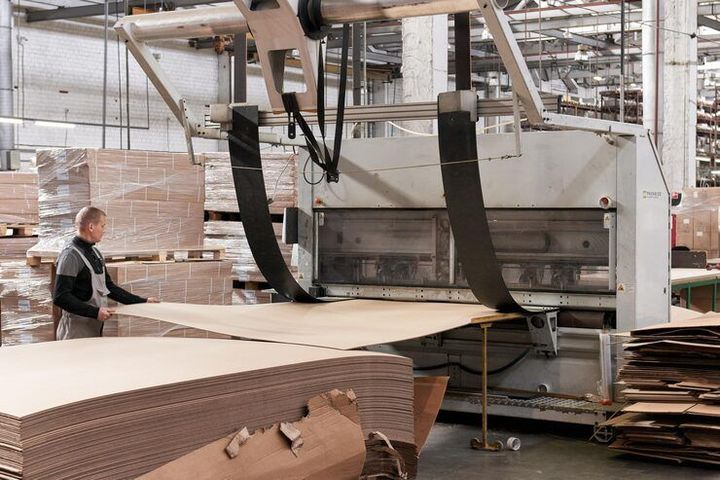
A carton folding machine generally receives flat carton blanks through a feeding section. The blank then passes through guides, folding belts, rollers, hooks, or other mechanisms that create the required folds. Depending on the machine design, adhesive may be applied before selected panels are folded into their final position.
How the Process Works
The carton folding process normally begins with accurate feeding. Individual blanks must enter the machine at a controlled position so that creasing and folding lines align correctly.
The main stages can include:
- Blank feeding: Carton sheets are separated and introduced into the production line.
- Alignment: Guides position each blank correctly before folding begins.
- Pre-folding: Selected panels are partially folded along existing crease lines.
- Adhesive application: Glue may be applied to designated areas when the carton design requires it.
- Main folding: Folding belts and mechanical components bring panels into their intended configuration.
- Compression: Folded cartons may pass through a compression section to help adhesive areas remain properly positioned.
- Collection: Finished folded cartons are gathered for inspection, packing, or further processing.
Different carton designs require different folding arrangements. Straight-line cartons, crash-lock cartons, four-corner cartons, six-corner cartons, and other specialty formats may require specific machine configurations.
Main Machine Components
A typical carton folding machine contains several coordinated sections. The feeder controls the movement of carton blanks, while guide systems maintain alignment as sheets travel through the equipment.
Folding belts and rollers create controlled movement and pressure. Glue systems apply adhesive where required, while sensors can monitor blank position and detect certain feeding or alignment problems.
Modern carton folding machines can also include touchscreen controls, variable-speed drives, electronic monitoring, automatic adjustment systems, and production counters. These features allow operators to manage different packaging requirements from a centralized control interface.
Importance
Why Carton Folding Machines Matter
Packaging plays an important role in protecting products, organizing distribution, and presenting goods in consistent formats. Cartons are used across food packaging, household products, personal care products, electronics, pharmaceuticals, and many other industries.
Carton folding machines help address several production challenges. Manual folding can become difficult when large quantities of cartons must be processed with consistent dimensions and alignment. Automated folding provides a structured process in which each blank moves through predefined stages.
The technology can also reduce repetitive manual handling within a packaging line. This allows production teams to focus more attention on equipment monitoring, quality inspection, material preparation, and process control.
Production Factors
Several factors influence carton folding machine performance. Carton board thickness, crease quality, blank dimensions, folding pattern, adhesive characteristics, and machine configuration all affect the final result.
Poorly prepared carton blanks can create problems even when the folding equipment is properly adjusted. Creases that are too shallow or too deep may affect folding accuracy, while inconsistent sheet dimensions can lead to alignment problems.
Operators therefore need to consider both the packaging material and the machine when establishing a production process. Equipment specifications should correspond with the carton formats and board characteristics being processed.
Common Applications
Carton folding machines are used in a wide range of packaging environments. Common applications include:
- Food and beverage cartons
- Cosmetic and personal care packaging
- Household product cartons
- Electronics packaging
- Retail product packaging
- Pharmaceutical packaging
- Industrial product cartons
- Promotional and presentation packaging
The required carton folding equipment varies according to product dimensions, carton construction, board type, production volume, and finishing requirements.
Carton Folding Machine Data Overview
| Machine Factor | Typical Consideration | Production Impact |
|---|---|---|
| Carton material | Paperboard and coated board | Influences folding behavior |
| Blank size | Small, medium, or large formats | Determines machine compatibility |
| Folding pattern | Straight-line, lock-bottom, multi-corner | Affects machine configuration |
| Adhesive system | Hot-melt, cold glue, or other formats | Influences bonding process |
| Feeding method | Continuous or controlled feeding | Affects material flow |
| Speed control | Variable operating speed | Helps match production requirements |
| Inspection | Sensors and visual checks | Supports quality monitoring |
| Control system | Touchscreen or electronic controls | Simplifies machine adjustment |
Recent Updates
Automation and Digital Controls
Recent developments in carton folding machines have focused strongly on automation, electronic controls, and improved monitoring. Modern systems increasingly combine mechanical folding technology with digital interfaces that allow operators to adjust operating parameters more efficiently.
Touchscreen control panels can display machine conditions, operating settings, counters, alarms, and other information. Electronic sensors can also help identify missing blanks, feeding interruptions, or incorrect material positioning.
These developments reflect a wider movement toward connected packaging production. Equipment may increasingly communicate operating information to centralized production systems, supporting monitoring and process analysis.
Flexible Packaging Formats
Packaging manufacturers are also handling a wider variety of carton designs. Consumers and product manufacturers use cartons with different opening mechanisms, locking structures, dimensions, windows, inserts, and folding patterns.
This has increased interest in equipment capable of handling multiple carton configurations. Quick-change mechanisms and electronically controlled adjustments can help reduce the complexity involved in changing between production formats.
Energy and Material Efficiency
Another current trend involves more efficient use of materials and machine energy. Packaging producers are examining carton designs that use less board while maintaining the structural properties needed for handling and transportation.
Machine manufacturers are also incorporating more efficient motors, controlled drives, and improved pneumatic or mechanical systems. The precise configuration varies by equipment model and production environment.
Inspection and Quality Monitoring
Quality monitoring has become increasingly important as packaging lines become more automated. Sensors and camera-based inspection systems can identify certain folding, positioning, print, or adhesive-related issues.
Inspection technology does not eliminate the need for human oversight. Instead, it provides additional information that can help production teams identify irregularities earlier in the process.
Laws or Policies
Packaging Rules and Material Requirements
Carton folding machines operate within a broader packaging industry that is affected by environmental, labeling, product safety, workplace, and waste-management requirements. The specific rules depend on the country, product category, packaging material, and intended market.
Many jurisdictions have introduced policies related to packaging waste reduction, material recovery, recycling, and producer responsibility. These policies can influence carton design and the materials selected for packaging production.
Paperboard cartons may also contain coatings, inks, adhesives, windows, or other components that affect recycling processes. Packaging designers therefore need to consider the complete carton structure rather than only the paperboard component.
Workplace Safety
Industrial packaging equipment is also subject to workplace safety requirements in many regions. Machines may require guarding around moving components, emergency stopping mechanisms, warning labels, appropriate electrical protection, and documented operating procedures.
Operators should follow the manufacturer's technical documentation and the applicable workplace rules in their jurisdiction. Training and appropriate protective practices are important when working around automated machinery.
Product-Specific Requirements
Certain industries have additional packaging requirements. Food, pharmaceutical, cosmetic, and other regulated products can have specific rules concerning labeling, hygiene, traceability, material selection, or packaging integrity.
Carton folding equipment itself does not determine regulatory compliance. The finished packaging system, materials, production environment, and product requirements must be evaluated together.
Tools and Resources
Machine Selection Tools
Technical specification sheets are useful when comparing carton folding machines. Important information can include acceptable carton dimensions, board thickness, folding configurations, feeding methods, adhesive systems, operating ranges, and adjustment mechanisms.
Production planners can also use simple capacity calculations to estimate how many carton blanks need to be processed during a production period. These calculations should account for setup time, material changes, inspection, maintenance intervals, and production interruptions.
Packaging Design Software
Packaging design platforms can help create carton layouts before physical production begins. Structural packaging software allows designers to establish dimensions, folding lines, locking mechanisms, and panel arrangements.
Digital prototypes can help identify design issues before cartons are produced in large quantities. This is particularly useful for complex folding structures.
Maintenance and Monitoring Resources
Machine manuals, maintenance schedules, inspection checklists, troubleshooting guides, and operator training materials are important resources for packaging operations.
Useful records may include:
- Machine setup parameters
- Cleaning schedules
- Lubrication requirements
- Adhesive system checks
- Sensor inspection records
- Folding quality observations
- Production interruption records
- Replacement component information
These resources provide structured information for routine equipment management.
FAQs
What are carton folding machines used for?
Carton folding machines are used to convert flat, pre-cut carton blanks into folded packaging structures. They are commonly integrated into packaging production lines for food, household products, personal care items, electronics, pharmaceuticals, and industrial products.
How does a carton folding machine work?
A carton folding machine feeds flat blanks through controlled guides and folding sections. Creased panels are progressively folded, and adhesive may be applied to selected areas before compression and collection.
What types of cartons can carton folding machines process?
The compatible carton types depend on the machine configuration. Common formats include straight-line cartons, lock-bottom cartons, four-corner cartons, six-corner cartons, and other specialized folding structures.
What should be considered when selecting carton folding machines?
Important considerations include carton dimensions, board thickness, folding pattern, adhesive requirements, feeding method, adjustment range, production capacity, control features, inspection technology, and compatibility with the existing packaging line.
Are carton folding machines automated?
Many modern carton folding machines use automated feeding, electronic controls, sensors, variable-speed drives, and monitoring systems. The level of automation varies according to the equipment design and production requirements.
Conclusion
Carton folding machines connect carton design, material preparation, folding technology, adhesive application, and automated production into one packaging process. Their development has moved from primarily mechanical systems toward equipment with greater electronic control, monitoring, flexibility, and integration. Packaging requirements, material characteristics, workplace rules, and environmental policies all influence how these machines are configured and used. Understanding these factors provides a useful foundation for evaluating carton folding technology and modern packaging production.