Biochar Production Systems Overview With Pyrolysis Technology and Production Information
Biochar production systems are designed to convert suitable biomass into a stable carbon-rich material through controlled thermal processing. The process commonly uses pyrolysis, a method in which organic material is heated in a limited-oxygen environment rather than being burned completely.
Biochar can be produced from agricultural residues, forestry materials, woody biomass, crop byproducts, and other suitable organic feedstocks. The characteristics of the final material depend on the feedstock, moisture content, particle size, reactor design, heating conditions, and cooling method.
Pyrolysis technology forms the central part of many biochar production systems. A typical system may include feedstock preparation, drying, size reduction, feeding equipment, a pyrolysis reactor, gas handling, cooling, biochar collection, and monitoring equipment. Some systems also recover process heat for drying or other on-site uses.
The concept has historical connections to charcoal production, but modern biochar systems use more controlled operating conditions and analytical testing. Instead of treating biomass conversion simply as combustion, modern systems focus on producing a consistent carbon-rich material while managing emissions and process heat.
What pyrolysis does
Pyrolysis separates biomass into several output streams by applying heat under oxygen-limited conditions. The relative amount of each output depends on operating conditions and equipment design.
| Process factor | Typical influence on biochar production |
|---|---|
| Feedstock type | Influences carbon, ash, minerals, and physical structure |
| Moisture content | Affects heating efficiency and drying requirements |
| Particle size | Influences heat transfer and processing consistency |
| Temperature | Strongly affects carbon structure and volatile content |
| Residence time | Influences the degree of thermal conversion |
| Oxygen availability | Helps determine whether the process behaves as pyrolysis or combustion |
| Cooling method | Affects handling, safety, and final material properties |
Slow pyrolysis is commonly associated with higher production of solid biochar, while faster thermal processes can produce different proportions of gases, vapors, and solid material. The appropriate configuration depends on the intended application and available feedstock.
Importance
Biochar production systems matter because large quantities of organic residues are generated through agriculture, forestry, food processing, landscaping, and other activities. Managing these materials can be difficult when they contain substantial moisture, occupy considerable space, or are generated far from processing facilities.
Converting suitable biomass into biochar creates a more concentrated carbon-rich material that can be transported, stored, tested, and used in different applications. Biochar is commonly studied for soil management, carbon storage, filtration materials, construction-related products, and other material applications.
Environmental considerations
One reason biochar receives attention is its relationship with carbon management. During biomass growth, plants absorb carbon dioxide from the atmosphere. When biomass decomposes or is burned, much of that carbon can return to the atmosphere. Pyrolysis can convert part of the biomass carbon into a more stable solid form.
This does not mean every biochar production system automatically creates a climate benefit. Feedstock sourcing, transportation, energy consumption, emissions, process efficiency, and the final use of the biochar all influence the overall environmental outcome.
Agricultural and material uses
Biochar is frequently discussed as a soil amendment because its physical structure can influence water retention, nutrient interactions, aeration, and microbial environments. Results vary according to soil characteristics, biochar properties, application rates, and agricultural conditions.
Biochar can also be incorporated into engineered materials. Its porous carbon structure makes it relevant to research involving filtration, composites, adsorbent materials, and other applications.
The quality of the feedstock is important in all cases. Contaminated biomass can introduce undesirable substances into the final material, which is why modern biochar production information places increasing attention on feedstock screening and laboratory testing.
Who is affected
The development of biochar production systems involves several groups:
- Agricultural producers managing crop residues
- Forestry operations handling woody biomass
- Biomass processors managing organic residues
- Equipment designers developing pyrolysis systems
- Laboratories testing biochar characteristics
- Researchers studying carbon and soil applications
- Regulators overseeing emissions and environmental protection
- Users applying biochar to soils or incorporating it into materials
The main challenge is creating a controlled process that matches available biomass with suitable equipment and a clearly defined final application.
Recent Updates
Biochar production has received increased attention during the 2024–2026 period, particularly in relation to carbon removal, quality standards, measurement, reporting, and verification. Industry organizations have been updating technical frameworks as the sector expands into agriculture, materials, and carbon management.
A significant development has been greater emphasis on standardized testing. Recent standards work has addressed properties such as moisture, ash, carbon content, particle characteristics, stability, and potential contaminants. This reflects a broader movement toward consistent laboratory methods rather than relying only on visual or basic physical descriptions of biochar.
Development of carbon removal methods
Biochar carbon removal has become an increasingly structured area of climate policy and carbon accounting. Recent methodologies have placed greater attention on how biomass is sourced, how the pyrolysis process operates, how carbon is measured, and how long carbon remains stored.
During 2025, updated guidance for biochar carbon removal placed additional emphasis on measurement, reporting, verification, permanence, and certification methodologies. This indicates a shift from simply producing biochar toward documenting the complete production and carbon-storage pathway.
European regulatory development
Recent European policy development has also included biochar carbon removal within a formal certification framework. The European Union's Carbon Removal Certification Framework includes biochar carbon removal among recognized permanent carbon-removal activities.
The framework places requirements around production conditions, biomass processing, methane management, heat utilization, and the eventual application of biochar. These developments illustrate how biochar is increasingly being considered within structured environmental accounting systems rather than only as an agricultural material.
Equipment development
Pyrolysis equipment is also evolving toward improved process monitoring and energy management. Modern systems may include temperature sensors, automated feed controls, gas monitoring, heat recovery equipment, automated cooling, and data logging.
Modular systems are another area of development. Smaller units can be located closer to biomass sources, potentially reducing the need to transport bulky residues over long distances. Larger centralized systems can provide higher processing capacity but require more extensive feedstock logistics and infrastructure.
Laws or Policies
Biochar production systems are influenced by several categories of rules, and the exact requirements depend on the jurisdiction, feedstock, plant size, emissions profile, and intended use of the resulting material. There is no single worldwide regulatory framework governing every biochar facility.
Environmental and emissions requirements
Pyrolysis plants may be subject to environmental rules covering air emissions, smoke, particulate matter, volatile compounds, wastewater, solid residues, noise, and equipment operation. Facilities using contaminated or regulated feedstocks can face additional requirements.
The distinction between clean biomass and waste material can also be important. Some jurisdictions regulate agricultural residues, forestry residues, municipal organic material, and industrial waste under different frameworks.
Feedstock controls
Feedstock selection is increasingly connected to sustainability and quality requirements. Materials containing heavy metals, treated wood chemicals, plastics, or other contaminants may be unsuitable for certain biochar applications.
Production frameworks therefore commonly examine the origin and composition of biomass before processing. Traceability can help establish what material entered the system and whether the resulting biochar is appropriate for its intended application.
Product quality standards
Biochar standards and certification frameworks provide testing procedures and specifications for characteristics such as carbon content, contaminants, stability, ash, moisture, and other physical or chemical properties.
Recent standards development has also increased attention to laboratory measurement. This helps distinguish biochar intended for soil use from carbonaceous materials that may have different compositions or applications.
Because regulations differ between jurisdictions, operators must evaluate applicable environmental, waste-management, agricultural, construction, and carbon-accounting requirements separately. General biochar standards should not be treated as substitutes for local regulatory compliance.
Tools and Resources
Several types of tools can help people understand or evaluate biochar production systems without requiring advanced engineering knowledge.
Feedstock assessment tools
A feedstock worksheet can record biomass type, moisture level, particle size, contamination risk, seasonal availability, and estimated quantity. This information helps determine whether a particular feedstock is compatible with a proposed pyrolysis process.
Process monitoring tools
Temperature sensors, moisture meters, gas monitoring instruments, weighing systems, and data-logging software can help track operating conditions. Monitoring is important because changes in temperature, feedstock moisture, or reactor conditions can affect biochar characteristics.
Laboratory testing
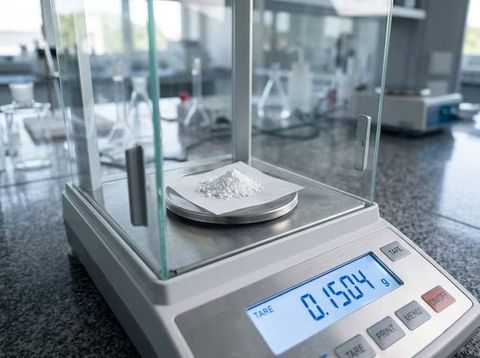
Laboratory analysis can measure carbon content, ash, moisture, pH, electrical conductivity, surface characteristics, contaminants, and other relevant properties. Testing requirements vary according to the intended application and certification framework.
Calculation and planning resources
Useful planning resources can include:
- Biomass moisture calculators
- Mass-balance spreadsheets
- Energy-use calculators
- Feedstock inventory templates
- Pyrolysis process monitoring sheets
- Biochar laboratory testing templates
- Carbon accounting methodologies
- Environmental compliance checklists
These resources help organize production information and make comparisons between different feedstocks and operating conditions more systematic.
FAQs
What are biochar production systems?
Biochar production systems are equipment arrangements that convert suitable biomass into biochar through controlled thermal processes, commonly pyrolysis. A complete system can include drying, preparation, feeding, thermal conversion, gas handling, cooling, collection, and monitoring equipment.
How does pyrolysis technology produce biochar?
Pyrolysis technology heats biomass under oxygen-limited conditions. Instead of complete combustion, the biomass undergoes thermal decomposition, producing solid biochar along with gases and vapors.
What materials can be used in biochar production?
Suitable materials can include woody residues, crop residues, forestry biomass, and other clean organic materials. The appropriate feedstock depends on the equipment, intended biochar application, moisture content, contamination risk, and applicable environmental requirements.
Why is temperature important in biochar production?
Temperature affects the physical and chemical properties of the resulting biochar. Higher or lower processing temperatures can influence carbon structure, volatile compounds, ash characteristics, surface properties, and the proportion of solid material produced.
Are biochar production systems regulated?
They can be. Requirements may cover air emissions, feedstock classification, waste management, plant operation, product quality, environmental protection, and carbon accounting. The applicable rules depend on the jurisdiction and the specific production and application pathway.
Conclusion
Biochar production systems use controlled thermal conversion to transform suitable biomass into a stable carbon-rich material. Pyrolysis technology is central to many systems, with feedstock characteristics and operating conditions strongly influencing the resulting biochar. From 2024–2026, greater attention has been directed toward standardized testing, carbon removal measurement, certification, emissions management, and traceable production practices. Understanding these factors provides a clearer view of how modern biochar production connects biomass management, thermal processing, environmental considerations, and material applications.