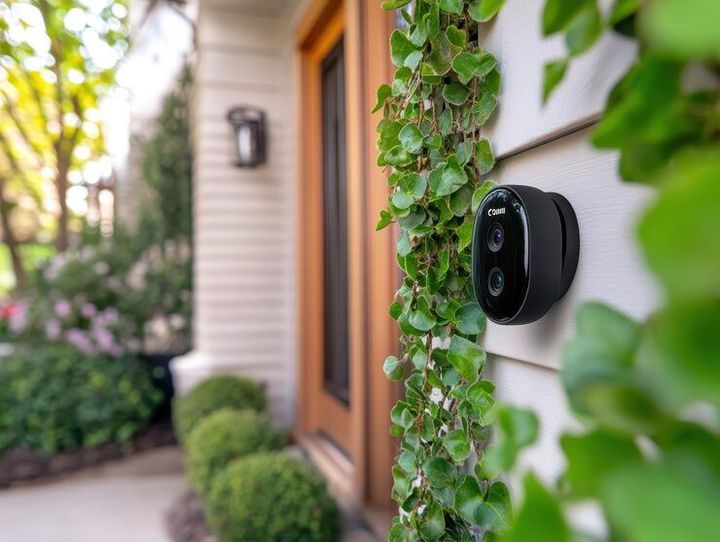
Wireless Security Cameras How to Use Smart Controls and Wireless Monitoring Features
Wireless security cameras provide convenient monitoring for residential and commercial environments.
These devices capture video and transmit recordings through wireless networks or other communication technologies. They are commonly used to observe entrances, indoor spaces, driveways, gardens, and other important areas.
A wireless security camera system can include individual cameras, recording equipment, mobile applications, and cloud storage options. Understanding how these components work helps users evaluate different configurations and select equipment according to their monitoring requirements.
Understanding Wireless Security Camera Technology
Wireless security cameras capture video using built-in image sensors and transmit information through wireless connections. Many models use Wi-Fi to communicate with a home network, allowing users to view footage through compatible smartphones, tablets, or computers.
However, wireless does not always mean completely cable-free. Some cameras require electrical connections, while battery-powered versions operate without continuous power cables. Their communication and power requirements should be considered separately.
How Wireless Cameras Work
Most wireless cameras follow a straightforward operating process:
Image capture: The camera records video through its integrated lens and image sensor.
Wireless transmission: Recorded footage or live video travels through a supported network connection.
Storage: Video information is saved locally, on a recording device, or through cloud-based storage.
Remote monitoring: Compatible applications allow authorized users to view camera feeds.
These functions depend on the camera model, network availability, software compatibility, and selected recording settings.
Types of Wireless Security Cameras
Different camera designs address different monitoring environments. Selecting a suitable type requires considering installation location, lighting conditions, power availability, and environmental exposure.
Indoor and Outdoor Cameras
An indoor wireless security camera is generally designed for rooms, hallways, offices, and entry areas. Common features include motion detection, two-way audio, night vision, and adjustable viewing angles.
An outdoor wireless security camera is designed for external environments. Weather-resistant construction, temperature tolerance, night vision, and suitable mounting arrangements are important considerations.
Battery-Powered and Wi-Fi Cameras
A battery powered security camera operates using rechargeable or replaceable batteries. It can provide installation flexibility in locations where electrical outlets are unavailable. Battery life depends on recording frequency, temperature, network activity, and motion detection settings.
Wi-Fi cameras connect to compatible wireless networks. Some require continuous electrical power, while others combine wireless connectivity with battery operation.
Important Features to Compare
Before evaluating a wireless CCTV camera system, it is useful to understand its technical specifications. Features can vary considerably between models and manufacturers.
| Feature | Purpose | Important Consideration |
|---|---|---|
| Video resolution | Determines image detail | HD, Full HD, or higher |
| Night vision | Records in low light | Infrared or color night vision |
| Motion detection | Identifies movement | Detection sensitivity |
| Two-way audio | Enables communication | Microphone and speaker quality |
| Storage | Preserves recordings | Local or cloud options |
| Weather resistance | Supports outdoor use | Environmental protection rating |
Connectivity and Storage
Wireless cameras depend on reliable communication. Network range, signal strength, router placement, and internet availability can affect remote viewing and video transmission.
Storage arrangements also deserve attention. Local storage may use memory cards or dedicated recording equipment, while cloud storage keeps recordings on remote servers. Users should examine storage capacity, retention periods, subscription requirements, and data access policies.
Installation and Setup Requirements
Wireless security camera installation usually involves selecting a suitable location, connecting the device, configuring its application, and testing its functions.
Before installation, consider the following factors:
Camera placement: Position cameras to cover relevant entrances and surrounding areas.
Network coverage: Check whether the wireless signal reaches the installation location.
Power availability: Determine whether electrical wiring or battery operation is appropriate.
Mounting position: Select a stable surface that provides the required viewing angle.
Privacy: Avoid recording private areas belonging to other people.
Following manufacturer instructions can help maintain reliable operation and appropriate device settings.
Factors Affecting Wireless Security Camera Prices
Wireless security camera price differences depend on several technical and operational factors. Basic models may provide standard video recording, while more advanced configurations can include additional monitoring and storage capabilities.
Important pricing factors include:
Resolution and image sensor technology.
Indoor or outdoor construction.
Battery capacity and power arrangements.
Night vision and motion detection capabilities.
Local recording equipment and cloud storage requirements.
Mobile application features and subscription arrangements.
A home security camera system may include several cameras, recording equipment, mounting accessories, and network components. Comparing the complete equipment requirements provides a clearer understanding of the total expenditure.
Privacy and Security Considerations
Wireless cameras collect visual information, so protecting recorded data is important. Users should create strong passwords, enable available account protection features, and install software updates when manufacturers release them.
Network encryption and secure application access can help protect camera communications. Recording permissions, data retention settings, and local privacy requirements should also be reviewed before operating surveillance equipment.
Frequently Asked Questions
Are wireless security cameras dependent on Wi-Fi?
Many wireless cameras use Wi-Fi for communication. However, some models support alternative wireless connections or local recording without continuous internet access.
Can wireless cameras operate without electricity?
Battery-powered models can operate without continuous electrical connections. However, batteries require periodic charging or replacement.
What should users compare when selecting cameras?
Important considerations include resolution, night vision, storage, connectivity, weather resistance, power requirements, and privacy features.
Do wireless cameras support remote monitoring?
Many models provide remote viewing through compatible mobile applications, provided the necessary network connection and account access are available.
Conclusion
Wireless security cameras combine video recording, wireless communication, and remote monitoring technologies in a flexible equipment configuration. Understanding camera types, connectivity, storage, installation, and privacy features helps users evaluate different systems. Careful comparison of technical specifications and operating requirements supports informed decisions for residential and commercial monitoring applications.