Virtual Reality Hotel Tours Benefits With Immersive Room Views and Better Booking Decisions
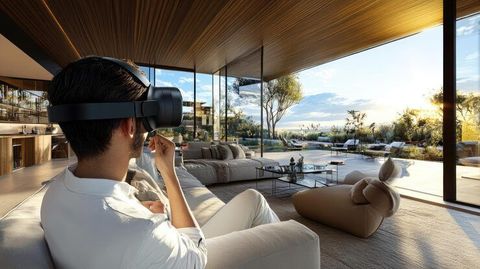
Virtual reality hotel tours are digital experiences that allow people to explore hotel rooms, facilities, and surrounding spaces through interactive 360-degree views or computer-generated environments.
These tours provide a visual way to understand a hotel's layout before making a reservation. Virtual reality hotel tours benefits include better room awareness, easier property comparisons, improved travel planning, and more informed booking decisions.
The technology comes from developments in virtual reality, digital photography, computer graphics, and interactive media. Initially used mainly in gaming, training, and simulation, virtual reality has gradually become part of the travel and hospitality industry.
Hotels now use immersive digital presentations to show different room categories, reception areas, swimming pools, restaurants, meeting rooms, and other facilities. Depending on the technology, visitors can explore these spaces using a smartphone, computer, tablet, or virtual reality headset.
What Are Virtual Reality Hotel Tours?
A virtual reality hotel tour is a digital representation of a hotel that allows viewers to explore selected areas without physically visiting the property. Some tours use connected panoramic photographs, while others combine 3D models, interactive navigation, and computer-generated environments.
Users can move between different viewing points, rotate their perspective, and examine specific areas. Some advanced experiences also include clickable information about room features, furniture, facilities, and accessibility arrangements.
There are two common approaches:
360-degree virtual tours: Use panoramic photographs or videos to provide views from different positions within a real hotel.
Computer-generated virtual tours: Use 3D models to recreate hotel spaces and allow interactive exploration of designed environments.
The level of detail depends on the equipment, photography, software, and production methods used.
How Virtual Reality Hotel Tours Work
Creating a virtual hotel tour involves capturing or developing digital representations of different hotel spaces. Photographers may use specialised 360-degree cameras to capture rooms and public areas from multiple angles.
The images are then processed and connected through virtual tour software. Users can navigate between viewing points using interactive controls displayed on their devices.
A typical virtual hotel tour includes:
Image capture: Photographs or videos are collected from selected hotel locations.
Digital processing: Visual content is combined into panoramic or interactive scenes.
Tour development: Navigation points and interactive information are added.
Online integration: The completed tour is displayed on a hotel website or compatible digital platform.
User exploration: Visitors move through the virtual environment using screen controls or a headset.
These steps create a digital viewing experience that helps travellers understand the hotel's physical environment.
Importance of Virtual Reality Hotel Tours in the Hospitality Industry
Choosing accommodation often involves evaluating room size, interior design, available facilities, location, and accessibility. Standard photographs provide useful information, but they may not communicate the complete layout or relationship between different spaces.
Virtual reality hotel tours address this information gap by allowing travellers to examine hotel environments from different viewing angles. This is particularly useful for people planning family holidays, business trips, group events, or longer stays.
Benefits of Immersive Room Views
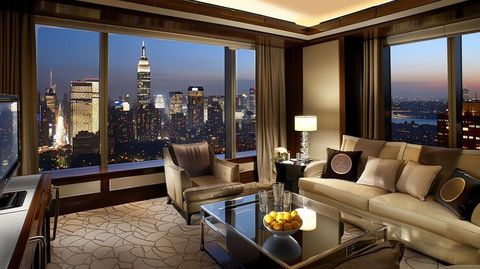
Immersive room views help travellers understand accommodation features before completing a reservation. Instead of relying only on selected photographs, visitors can explore the room layout and observe how different areas are arranged.
Important benefits include:
Better room understanding: Viewers can examine furniture placement, walking space, windows, and room arrangements.
Improved property comparison: Different room categories can be explored through similar viewing experiences.
Greater visual clarity: Panoramic images provide a wider perspective than individual photographs.
Facility awareness: Travellers can examine common areas such as reception spaces, restaurants, pools, and fitness rooms.
Accessibility awareness: Some tours provide visual information about entrances, corridors, lifts, and accessible room layouts.
However, virtual tours do not replace written descriptions or direct confirmation of specific accommodation requirements.
Better Booking Decisions Through Virtual Exploration
Virtual reality hotel tours can help people make more informed accommodation decisions by providing additional visual information. Travellers can compare the appearance and layout of different properties before selecting a suitable room.
This is particularly helpful when booking accommodation in unfamiliar destinations. It allows visitors to become familiar with the property before arrival and understand which facilities are available.
For hotels, immersive presentations can also help communicate room differences more clearly. This may reduce misunderstandings caused by incomplete photographs or unclear room descriptions.
Who Benefits From Virtual Reality Hotel Tours?
Different groups can use immersive hotel experiences for different purposes.
Leisure travellers: Explore rooms, swimming pools, restaurants, and recreational areas before planning a holiday.
Business travellers: Examine meeting rooms, workspaces, conference facilities, and accommodation layouts.
Families: Understand room arrangements and shared spaces when planning group accommodation.
Event organisers: Review banquet halls, conference rooms, and event spaces before selecting a venue.
International travellers: Explore properties remotely without travelling to the destination.
People with accessibility requirements: Review visible features such as entrances, corridors, and lifts, while confirming exact measurements separately.
Virtual Hotel Tours Compared With Traditional Hotel Photographs
| Feature | Traditional Photographs | Virtual Reality Hotel Tours |
|---|---|---|
| Viewing experience | Individual selected images | Interactive or panoramic views |
| Room exploration | Limited to displayed angles | Multiple viewing positions |
| Navigation | Manual image browsing | Connected digital locations |
| Facility inspection | Depends on available photos | Can include several hotel areas |
| Device compatibility | Most digital devices | Depends on tour technology |
| Physical accuracy | Shows photographed spaces | Depends on image quality and updates |
Both formats provide useful information. Their effectiveness depends on image quality, accurate property representation, and clear descriptions.
Recent Developments in Virtual Reality Hotel Tours
The hospitality industry continues to explore immersive technology, artificial intelligence, mobile applications, and interactive digital experiences. Developments across 2024–2026 show increasing interest in making virtual hotel tours easier to access and more useful for travel planning.
Improved 360-Degree Photography
Camera technology and image processing have improved the quality of panoramic hotel presentations. Higher-resolution images, improved lighting, and more accurate image stitching help create clearer room views.
These improvements make it easier for users to examine interior details, furniture arrangements, and shared hotel facilities.
Mobile-Friendly Virtual Experiences
Many travellers access accommodation information through smartphones and tablets. As a result, virtual hotel tours are increasingly designed for mobile browsing rather than requiring specialised headsets.
Touchscreen navigation, responsive layouts, and faster image loading help make immersive experiences accessible to a wider audience.
Artificial Intelligence and Personalised Navigation
Artificial intelligence is being explored in digital hospitality experiences to improve navigation and information presentation. Some platforms can connect virtual environments with interactive descriptions, automated assistance, and multilingual information.
For example, a traveller exploring a hotel room may be able to select a particular feature and view additional information about its facilities or specifications. The availability of these functions depends on the platform.
Integration With Online Booking Platforms
Virtual tours are increasingly being incorporated into hotel websites, digital accommodation listings, and travel planning platforms. This allows visitors to explore a property while reviewing room descriptions and other reservation details.
Some systems also connect virtual environments with room categories and facility information. However, availability, pricing, and reservation conditions should always be checked separately because a visual tour may not reflect real-time booking information.
More Attention to Digital Accessibility
Hotels and technology developers are paying greater attention to making virtual experiences easier to navigate. Clear controls, readable descriptions, mobile compatibility, and alternative viewing formats can improve usability.
Providing text descriptions alongside visual content is also important for people who cannot fully access panoramic or headset-based experiences.
Laws and Policies Affecting Virtual Reality Hotel Tours in India
Virtual reality hotel tours in India are influenced by digital privacy, consumer protection, advertising, accessibility, and tourism-related requirements. There is no single regulation specifically governing every aspect of virtual hotel tours, so businesses must consider the wider legal framework.
Digital Privacy and Data Protection
Some virtual tour platforms collect information such as device details, browsing activity, user preferences, or interaction data. When personal information is collected, applicable data protection requirements become relevant.
India's Digital Personal Data Protection Act, 2023, establishes a framework for processing digital personal data. Relevant obligations depend on the nature of the data, the organisation's activities, and applicable implementation provisions and rules.
Hotels and platform operators should consider transparent privacy notices, appropriate consent mechanisms where required, and suitable protection of personal information.
Consumer Protection and Advertising Rules
Virtual hotel presentations should accurately represent the property and its facilities. Misleading images, outdated room representations, or incorrect descriptions may create consumer concerns.
India's Consumer Protection Act, 2019, provides a framework addressing unfair trade practices and misleading advertisements. Hotel information presented through virtual tours should therefore be consistent with the actual property and applicable booking conditions.
Accessibility and Digital Inclusion
Digital accessibility is an important consideration when developing online hotel experiences. Navigation controls, readable information, and alternative content formats can help people with different abilities use digital platforms.
The Rights of Persons with Disabilities Act, 2016, provides a broader framework for accessibility and equal participation. Its specific application to a digital hotel tour depends on the circumstances and relevant requirements.
Tools and Resources for Creating Virtual Reality Hotel Tours
Several digital tools help hospitality businesses capture hotel environments, develop immersive presentations, and integrate virtual experiences into online platforms.
360-Degree Cameras and Photography Equipment
Specialised panoramic cameras capture images in multiple directions. These images can be processed into interactive scenes that allow users to explore hotel rooms and common areas.
Tripods, lighting equipment, and image-processing applications also contribute to the quality of the final presentation.
Virtual Tour Creation Platforms
Virtual tour software connects panoramic images and creates interactive navigation points. Common features include:
Room-to-room navigation.
Interactive information labels.
Floor plan integration.
Website embedding.
Mobile-friendly viewing.
Multimedia descriptions.
Platform capabilities differ, so the selected technology should match the complexity of the property and intended viewing experience.
3D Modelling and Visualisation Software
Three-dimensional modelling applications help create digital representations of hotel interiors, furniture, and architectural spaces. These tools are particularly useful when a hotel is under construction or undergoing renovation.
Computer-generated environments can communicate proposed room layouts, although they should be clearly distinguished from photographs of completed facilities.
Website Analytics and Booking Tools
Website analytics platforms help hotels understand how visitors interact with virtual tours. Relevant measurements may include tour visits, viewing duration, navigation activity, and interactions with room information.
Reservation platforms can operate alongside virtual tours to display room categories, availability, booking conditions, and confirmation details. These systems should present accurate and updated information.
Frequently Asked Questions About Virtual Reality Hotel Tours
What Are the Main Benefits of Virtual Reality Hotel Tours?
The main benefits include immersive room views, better understanding of hotel layouts, easier property comparisons, and improved awareness of available facilities. They help travellers evaluate accommodation visually before making reservation decisions.
How Do Virtual Reality Hotel Tours Work?
Virtual hotel tours use panoramic photographs, 360-degree videos, or computer-generated environments. Interactive software connects different viewing locations and allows users to explore hotel spaces through a smartphone, computer, tablet, or headset.
Can I View Virtual Reality Hotel Tours on a Smartphone?
Yes. Many virtual hotel tours are designed for smartphones and tablets. Users can usually navigate through panoramic scenes by touching the screen, although some advanced experiences may require compatible virtual reality equipment.
Do Virtual Hotel Tours Show Actual Hotel Rooms?
Photographic 360-degree tours generally show actual spaces captured at the property. Computer-generated tours may show designed or proposed interiors, so viewers should check whether the presentation uses real photographs or digital models.
Do Virtual Reality Hotel Tours Help With Booking Decisions?
Yes. They provide additional visual information about room layouts, hotel facilities, and interior arrangements. However, travellers should also review written descriptions, current availability, reservation conditions, and accessibility details before confirming a booking.
Conclusion
Virtual reality hotel tours provide an interactive way to explore accommodation through panoramic images and digital environments. They help travellers understand room layouts, compare hotel facilities, and make more informed booking decisions. Developments in mobile technology, artificial intelligence, and 360-degree photography are expanding their role in hospitality. Accurate visual representation, data privacy, accessibility, and clear booking information remain important considerations.