Tax Preparation Software Overview With Digital Filing Tools and Platform Details
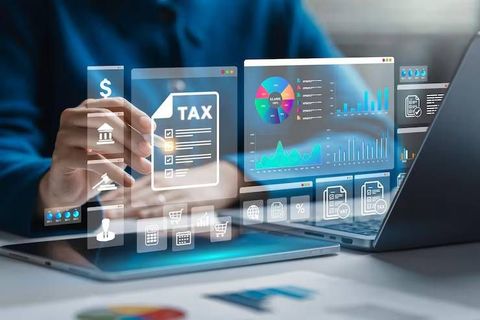
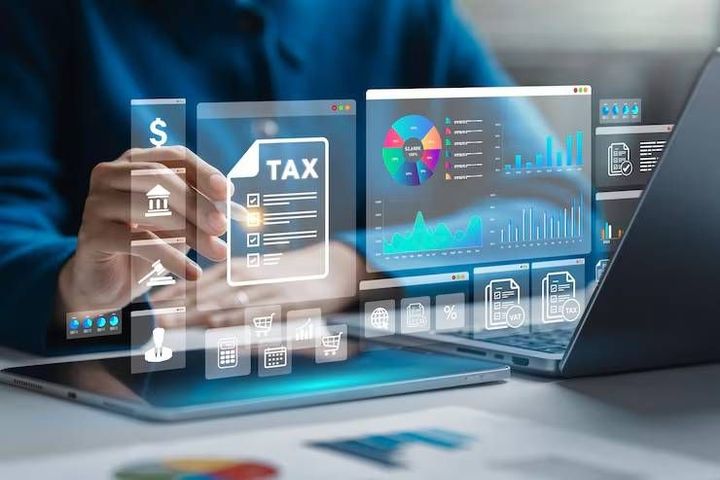
Tax preparation software is a digital platform designed to help individuals, independent professionals, and businesses organize financial information, calculate tax obligations, complete tax forms, and prepare electronic submissions.
These platforms combine guided questionnaires, calculation tools, document management features, and digital filing functions within a structured interface. Their purpose is to simplify administrative tasks associated with preparing tax returns and maintaining financial records.
Traditional tax preparation often involves paper documents, manual calculations, and repeated data entry. As financial systems have become increasingly digital, software platforms have introduced automated calculations, electronic document imports, and step-by-step filing workflows. These developments have changed how people prepare annual tax information and review financial records.
How Digital Tax Preparation Developed
The development of tax preparation software followed the wider adoption of personal computers, electronic accounting systems, and internet-based government portals. Early programs focused primarily on calculating taxable income and generating completed forms. Modern platforms may also support document scanning, income categorization, error detection, secure file storage, and electronic communication with authorized tax filing systems.
Tax preparation software generally falls into several categories. Individual filing platforms are designed for personal income tax returns, while business-oriented systems support more complex records, multiple income sources, deductions, and accounting integrations. Professional tax preparation programs provide additional functions for accountants and tax practitioners who manage returns for multiple clients.
Main Features of Tax Software Platforms
Although individual platforms differ, several functions are common across the market.
Guided tax questionnaires help users enter personal, income, and deduction information.
Automated calculations apply programmed formulas to financial figures.
Digital document management organizes income statements, receipts, and supporting records.
Error-checking tools identify missing fields, inconsistent figures, or incomplete information.
Electronic filing tools prepare submissions for compatible government systems.
Recordkeeping features help users retain copies of completed returns and related documents.
The availability of these features depends on the platform, subscription level, supported tax jurisdiction, and type of return being prepared.
Importance
Why Digital Tax Preparation Matters
Tax preparation software matters because tax reporting can involve numerous documents, calculations, deadlines, and administrative requirements. People with employment income may need to review salary statements, withholding information, and eligible deductions. Independent professionals and small businesses may also need to organize invoices, operating expenses, business income, and other financial records.
Digital tax tools bring these tasks into a more organized workflow. They can reduce repetitive data entry, apply calculations consistently, and help users identify information that requires further review. However, the accuracy of the final return still depends on the quality of the information entered and the correct interpretation of applicable tax rules.
Who Uses Tax Preparation Software?
Different users require different levels of functionality. Personal tax software generally focuses on straightforward income reporting, while advanced platforms accommodate more complicated financial situations.
User group | Common requirements | Relevant software features |
|---|---|---|
Employees | Salary reporting and withholding details | Guided forms and calculation tools |
Independent professionals | Multiple income sources and expenses | Income categorization and expense tracking |
Small businesses | Business records and tax calculations | Accounting integration and reporting |
Accountants | Multiple client returns | Client management and document organization |
Property owners | Rental income and eligible expenses | Income schedules and supporting records |
Individuals with investments | Investment income and transaction records | Financial imports and specialized tax forms |
Common Problems These Platforms Address
Manual tax preparation can create difficulties when records are incomplete, financial figures are spread across different documents, or calculations require several steps. Digital platforms help organize this information and identify potential inconsistencies before a return is finalized.
Nevertheless, automated systems cannot always determine whether a particular expense qualifies for a deduction or whether an unusual transaction has been classified correctly. Users may need to examine official guidance or consult a qualified tax professional when their circumstances are complex.
Recent Updates
Automation and Artificial Intelligence
Recent developments in tax preparation software have emphasized automation, document recognition, and AI-assisted guidance. Some platforms can extract information from uploaded documents, categorize financial transactions, and explain questions in everyday language. These functions can reduce manual entry, although extracted figures and automated explanations still require appropriate verification.
AI-based tools also introduce important limitations. A system may misunderstand an unusual financial situation, rely on outdated information, or overlook a relevant exception. Tax-related outputs should therefore be reviewed against the rules applicable to the specific filing period and jurisdiction.
Cloud-Based Filing and Digital Documents
Cloud-based tax platforms allow users to access financial records through supported devices and synchronize information across connected applications. Integration with accounting software and digital banking records can make it easier to collect information from different sources.
These capabilities also increase the importance of account security. Users should consider encryption, multifactor authentication, access permissions, data retention practices, and the provider's privacy policies when evaluating a platform.
Changing Platform Capabilities
Tax software increasingly combines preparation, calculation, document storage, and filing into a single workflow. Some systems provide progress indicators, estimated tax calculations, amendment tools, and status tracking for eligible electronic submissions.
The availability of these functions varies by country and platform. A tool designed for one tax system may not support another country's forms, reporting requirements, or electronic filing procedures.
Laws or Policies
How Tax Rules Affect Software
Tax preparation software must account for the rules of the jurisdiction for which a return is being prepared. These rules may determine taxable income, eligible deductions, reporting thresholds, filing deadlines, record retention, and the procedures for submitting returns electronically.
Software providers generally update their tax calculations and forms as relevant rules change. However, the presence of an updated interface does not automatically establish that every calculation is correct for every taxpayer. Users should confirm that the selected tax year, filing category, and jurisdiction match their circumstances.
Electronic Filing Requirements
Many tax authorities operate electronic filing systems and publish specifications that compatible software must follow. Some systems accept returns directly from approved platforms, while others require users to transfer prepared information into an official portal.
Electronic filing may also involve identity verification, digital signatures, supporting documentation, or additional confirmation steps. Submission through software does not necessarily mean that a return has been accepted, processed, or approved.
Privacy and Data Protection
Tax records contain sensitive personal and financial information. Applicable privacy and data protection laws may establish requirements for collecting, storing, processing, and sharing that information.
When reviewing tax preparation platforms, users should understand:
What personal and financial information the platform collects.
Whether data is shared with third-party providers.
How account access and document downloads are protected.
How long records are retained and how deletion requests are handled.
Whether the platform supports the relevant jurisdiction's filing procedures.
General Tax Compliance Considerations
Tax software is an administrative tool rather than a substitute for understanding tax obligations. Users remain responsible for providing accurate information, retaining required documentation, and following applicable filing rules. Complex business structures, cross-border income, unusual deductions, and multiple reporting obligations may require additional review.
Tools and Resources
Types of Tax Preparation Tools
The appropriate tool depends on the user's filing needs, the complexity of financial records, and the requirements of the relevant tax authority.
Tool category | Main purpose | Typical use |
|---|---|---|
Personal tax software | Prepare individual tax returns | Salary and personal income reporting |
Business tax software | Organize business tax information | Business income and expense reporting |
Professional tax software | Manage multiple returns | Accounting and tax practice workflows |
Tax calculators | Estimate tax liabilities | Preliminary calculations and planning |
Document management tools | Organize supporting records | Storing receipts and income statements |
Official tax portals | Submit or review tax information | Electronic filing and submission tracking |
Evaluating Tax Preparation Platforms
A platform should be assessed according to its supported forms, calculation methods, data protection measures, and filing compatibility. Users should also check whether it supports the relevant tax year and provides updates when tax rules change.
Other useful considerations include the ability to import financial information, export completed records, correct mistakes, and prepare amended returns where permitted. Clear explanations of calculations and access to relevant documentation can help users understand how the system produces its results.
Supporting Resources
Official tax authority websites are important sources for filing instructions, current forms, deadlines, eligibility criteria, and electronic submission procedures. Tax calculators can help estimate liabilities, but estimates may not account for every deduction, credit, or special circumstance.
Accounting spreadsheets and organized document folders can also support the preparation process. Keeping income records, receipts, statements, and copies of submitted returns together can make later reviews and corrections easier.
FAQs
What Is Tax Preparation Software?
Tax preparation software is a digital application that helps users organize financial information, calculate tax figures, complete tax forms, and prepare returns for submission. Available functions depend on the platform and jurisdiction.
How Does Digital Tax Filing Software Work?
Digital tax filing software collects information through forms, questionnaires, or document imports. It applies programmed calculations, checks for possible errors, and prepares a return for electronic submission when compatible filing facilities are available.
Can Tax Preparation Software Handle Business Income?
Many business tax software platforms support business income, expenses, deductions, and related reporting forms. The appropriate platform depends on the business structure, applicable tax rules, and complexity of its financial records.
Is Tax Preparation Software Accurate?
Tax software can apply calculations consistently when the correct rules and accurate information are used. However, incorrect entries, outdated rules, unsupported circumstances, or software limitations can affect the result, so important figures should be reviewed.
How Should Someone Choose a Tax Filing Platform?
The main considerations include jurisdiction support, relevant tax forms, calculation features, data security, document management, and electronic filing compatibility. Users should also verify that the platform supports their filing category and the applicable tax year.
Conclusion
Tax preparation software helps individuals, professionals, and businesses organize financial records, calculate tax figures, and prepare electronic returns. Modern platforms increasingly incorporate automation, cloud-based document management, and AI-assisted features, while accuracy and privacy remain important considerations. Software capabilities and electronic filing procedures vary according to the jurisdiction, filing category, and platform. Understanding these differences helps explain the role of digital tax tools within modern tax reporting.