Heritage Mansion Hotels Insights Into Historic Buildings and Luxury Hospitality
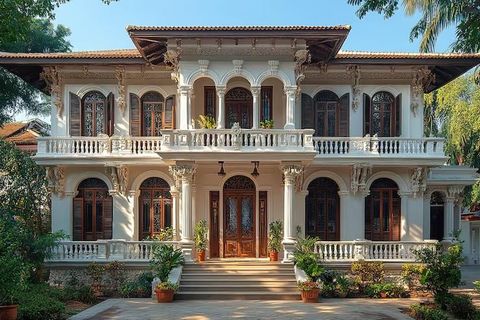
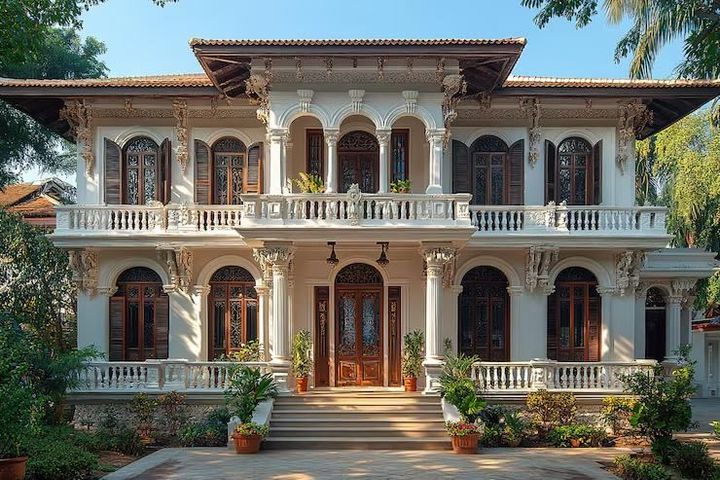
Heritage mansion hotels are accommodation properties developed within historic mansions, royal residences, aristocratic houses, colonial buildings, and traditional family estates.
Many heritage properties retain original structural features, including decorative ceilings, wooden staircases, stone walls, courtyards, and traditional furniture. Some buildings have undergone extensive restoration to accommodate modern travelers while maintaining their historical identity.
Heritage mansion hotels attract visitors interested in architecture, cultural traditions, historical surroundings, and distinctive accommodation experiences. Their locations may include historic city centers, countryside estates, coastal communities, and traditional cultural destinations.
Importance of Heritage Mansion Accommodation
Historic mansions represent architectural traditions and cultural developments from different periods. Converting these buildings into accommodation properties can support the preservation of historically significant structures.
Architectural and Cultural Value
Architectural details often provide information about the period in which a mansion was constructed. Visitors may observe traditional construction techniques, decorative elements, locally sourced materials, and regional design influences.
Some properties also maintain historical photographs, family collections, antique furniture, and architectural records. These elements help visitors understand the building's original purpose and historical background.
Distinctive Accommodation Experiences
Unlike standardized hotel buildings, historic mansion accommodation often includes individually designed rooms and shared spaces. Libraries, gardens, reception halls, dining rooms, and traditional courtyards can contribute to the property's atmosphere.
Travelers researching luxury heritage hotels may also consider room layouts, accessibility, dining arrangements, and available facilities before selecting a property.
Features of Historic Mansion Hotels
The characteristics of heritage properties vary according to their architectural period, restoration history, geographical location, and original function.
Common features include:
Traditional Architecture: Original facades, carved entrances, decorative columns, and period-specific construction details.
Historic Interiors: Antique furniture, traditional artwork, wooden flooring, and decorative ceilings.
Landscaped Gardens: Courtyards, lawns, fountains, and outdoor seating areas.
Cultural Collections: Historical photographs, paintings, documents, and locally significant decorative objects.
Modern Facilities: Contemporary bathrooms, internet access, climate control, and updated room arrangements.
Not every property includes all these features. Travelers should review individual accommodation descriptions when researching mansion hotel reservations.
Heritage Mansion Hotels and Modern Accommodation
Restoration projects frequently involve balancing historical preservation with contemporary accommodation requirements. Owners and property managers may update electrical systems, plumbing, bathrooms, fire safety arrangements, and accessibility features.
The following table explains some common differences between historic mansion properties and conventional hotels.
| Feature | Heritage Mansion Hotels | Conventional Hotels |
|---|---|---|
| Architecture | Historically influenced | Contemporary or standardized |
| Interiors | Traditional and period-inspired | Modern and functional |
| Room layouts | Often individually designed | Frequently standardized |
| Outdoor spaces | Gardens and courtyards | Varies by property |
| Cultural character | Connected to local history | Depends on location |
| Building structure | Adapted historic buildings | Purpose-built structures |
These differences are general observations rather than universal characteristics. Individual properties can combine traditional architecture with contemporary design.
Recent Developments in Heritage Hotel Accommodation
Heritage accommodation has gradually incorporated modern technology and updated property management practices. Online booking platforms allow travelers to compare property descriptions, photographs, room categories, and guest feedback.
Some restoration projects also emphasize energy efficiency, responsible water management, and the preservation of original building materials. However, modernization requirements differ according to building conditions and local conservation guidelines.
Travelers exploring heritage hotel packages may find combinations involving accommodation, guided historical tours, traditional dining, or regional cultural activities. The availability of these arrangements depends on the individual property.
Important Considerations Before Booking
Selecting suitable historic accommodation requires attention to practical details alongside architectural appeal.
Location and Accessibility
Check the property's distance from historical attractions, transportation facilities, restaurants, and other planned destinations. Older buildings may have stairs, narrow corridors, or limited elevator access.
Room Facilities and Maintenance
Review room descriptions, bathroom arrangements, climate control, internet availability, and general maintenance information. Historic structures may have different room dimensions and layouts.
Rates and Reservation Conditions
Compare heritage hotel rates across relevant booking platforms and review the complete reservation conditions. Important details include cancellation policies, payment schedules, check-in times, and applicable additional charges.
Historical Authenticity
Look for information about the mansion's construction period, previous ownership, restoration activities, and preserved architectural elements. Historical descriptions can help distinguish genuinely historic buildings from newer properties with traditional decorative themes.
Tools and Resources for Planning Heritage Stays
Several resources can simplify the accommodation research process.
Accommodation Platforms: Compare heritage mansion hotel booking information, room categories, and reservation conditions.
Historical Archives: Explore information about the property's architectural background and previous use.
Travel Reviews: Understand previous guests' experiences regarding cleanliness, facilities, accessibility, and property maintenance.
Local Tourism Resources: Research nearby cultural attractions, museums, historic districts, and transportation options.
Using multiple information sources provides a more complete understanding of a property's location and characteristics.
Frequently Asked Questions
What are heritage mansion hotels?
They are accommodation properties established within historic mansions, estates, or architecturally significant residential buildings.
Are luxury heritage hotels equipped with modern facilities?
Many provide updated bathrooms, internet access, climate control, and contemporary room facilities. Features vary by property.
How can travelers compare heritage hotel rates?
Travelers can review accommodation platforms, room categories, reservation conditions, seasonal pricing, and included facilities.
What should visitors check before making mansion hotel reservations?
Important considerations include location, accessibility, room facilities, historical authenticity, cancellation conditions, and guest feedback.
Are heritage mansion hotels suitable for family stays?
Some properties accommodate families through larger rooms and additional facilities. Travelers should confirm occupancy limits and available arrangements directly.
Conclusion
Heritage mansion hotels connect historical architecture with contemporary accommodation experiences. Their distinctive buildings, traditional interiors, landscaped surroundings, and cultural backgrounds create different possibilities for travelers interested in historic destinations. Understanding property features, restoration details, location, and reservation conditions helps visitors make informed accommodation decisions.