Dermaplaning Facial Guide With Skin Preparation, Benefits, and Recovery Tips
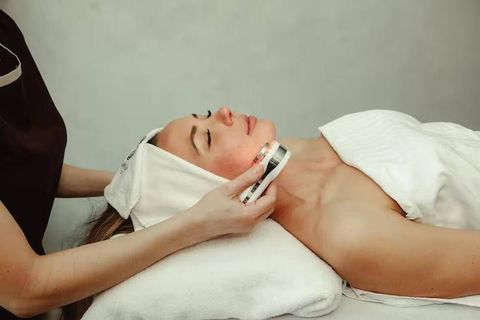
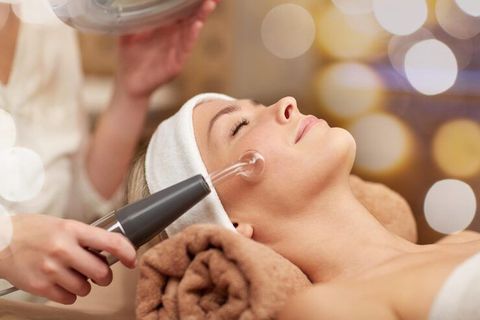
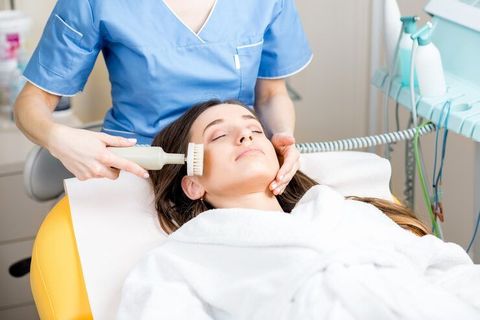
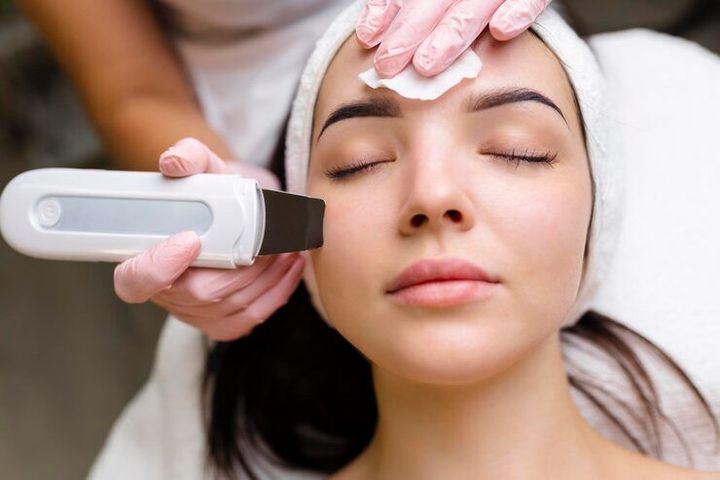
Dermaplaning facial treatment is a cosmetic skin-exfoliation technique designed to remove dead skin cells and fine facial hair from the skin's surface. It involves using a sterile, specialized surgical-style blade held at a controlled angle to gently scrape the outermost layer of the skin.
Dermaplaning has roots in traditional manual exfoliation practices used in professional skincare. Modern techniques have developed through cosmetic dermatology and aesthetic skincare, where controlled exfoliation is used to support routine skin maintenance. The procedure is generally performed by trained skincare professionals in a suitable treatment environment.
What Is Dermaplaning Facial Treatment?
A dermaplaning facial focuses on physical exfoliation rather than chemical ingredients. The blade removes accumulated dead skin cells and vellus hair, commonly known as peach fuzz. It does not remove the deeper layers of skin or permanently affect facial hair growth.
The procedure usually involves several steps:
Skin cleansing to remove makeup, oil, and surface impurities.
Skin assessment to identify irritation, sensitivity, or other concerns.
Controlled blade movements across selected facial areas.
Removal of loosened dead skin cells and fine facial hair.
Application of suitable moisturizers and sun protection.
The treatment can be performed on areas such as the forehead, cheeks, chin, and jawline. The exact approach depends on skin condition and individual suitability.
How Dermaplaning Works
Dermaplaning uses a controlled mechanical exfoliation method. The professional gently moves a sterile blade across dry or appropriately prepared skin, depending on the technique being used.
The process removes surface buildup that can contribute to a rough or dull appearance. Because the treatment focuses on the outer skin layer, it does not provide the same results as deeper resurfacing procedures.
Importance
Dermaplaning facial treatments have become a recognized part of modern skincare because many people are interested in improving skin texture and maintaining a consistent facial care routine. Everyday factors such as environmental exposure, natural skin-cell turnover, and accumulated dead skin cells can influence the appearance and feel of facial skin.
Understanding the procedure is important because physical exfoliation is not suitable for every skin condition. Learning about preparation, benefits, limitations, and recovery can help individuals understand what to expect.
Who May Consider Dermaplaning?
Dermaplaning may be considered by adults who want to address certain surface-level skin concerns.
Common reasons include:
Rough skin texture that makes the face feel uneven.
Dull-looking skin associated with accumulated dead skin cells.
Fine facial hair that affects the appearance of the skin.
Surface dryness that contributes to an uneven cosmetic appearance.
Interest in a non-chemical exfoliation method.
Individuals with generally healthy skin may be suitable candidates following an appropriate skin assessment. However, suitability depends on existing skin conditions, sensitivity, and the professional's evaluation.
Skin Concerns Addressed by Dermaplaning
The treatment primarily addresses superficial concerns rather than deeper skin problems.
Skin concern | How dermaplaning relates to it |
|---|---|
Dead skin buildup | Physically removes accumulated surface cells |
Fine facial hair | Removes visible vellus hair temporarily |
Uneven texture | Can create a smoother surface |
Dull appearance | May improve surface brightness |
Makeup application | May create a more even application surface |
Surface dryness | Removes some accumulated dead cells but does not replace moisturization |
Dermaplaning does not treat deep acne scars, pigmentation disorders, active acne, or underlying skin diseases. Different concerns may require separate approaches.
Potential Benefits of Dermaplaning
The visible effects vary depending on individual skin characteristics and treatment technique.
Some commonly discussed benefits include:
Surface exfoliation: Removes dead skin cells from the outermost layer.
Smoother skin feel: Reduces some roughness associated with surface buildup.
Temporary hair removal: Removes fine facial hair without changing its natural growth pattern.
Makeup application: Creates a smoother surface for applying cosmetic products.
Skincare routine compatibility: Some people find that skincare products spread more evenly after exfoliation.
These effects are generally temporary. Dermaplaning does not permanently change skin texture, stop facial hair growth, or prevent natural skin aging.
Recent Updates
Modern dermaplaning practices reflect broader developments in professional skincare, treatment hygiene, and individualized facial care. Recent industry trends emphasize careful skin assessment, controlled exfoliation, and recovery routines that protect the skin barrier.
Changes in Professional Dermaplaning Techniques
Contemporary facial treatment approaches increasingly focus on adapting exfoliation methods to individual skin conditions. Professionals may adjust the treatment area, blade technique, and frequency according to skin sensitivity.
Hygiene is also an important part of modern dermaplaning procedures. Appropriate blade handling, sterilization or single-use equipment, clean treatment surfaces, and proper disposal practices help reduce avoidable risks.
Integration With Modern Skincare Routines
Dermaplaning is increasingly discussed alongside other cosmetic facial treatments and daily skincare practices. However, combining multiple exfoliation methods requires careful consideration.
For example, using strong exfoliating products immediately before or after dermaplaning may increase irritation. A simplified routine involving gentle cleansing, moisturization, and sun protection is generally more appropriate during the initial recovery period.
Growing Attention to Skin Barrier Protection
Current skincare discussions place greater emphasis on maintaining the skin barrier. This outer protective layer helps regulate moisture and protects against environmental irritants.
As a result, dermaplaning recovery guidance commonly highlights avoiding unnecessary exfoliation and harsh skincare ingredients until the skin has settled.
Laws or Policies
Dermaplaning regulations vary between countries and sometimes between individual states or regions. Rules may cover professional qualifications, cosmetic treatment establishments, hygiene standards, equipment handling, and the scope of permitted practice.
Professional Qualifications and Treatment Standards
In many jurisdictions, dermaplaning performed with a specialized blade may fall under regulations governing aesthetic procedures or professional skin treatments.
Depending on local requirements, the procedure may be restricted to licensed healthcare practitioners or appropriately qualified aesthetic professionals. A person providing cosmetic skin treatments should understand relevant training requirements and infection-control procedures.
Cosmetic Treatment Regulations in India
In India, cosmetic and aesthetic treatment practices operate within a broader framework of healthcare, professional, and establishment-related requirements.
Relevant considerations can include:
Professional qualifications and applicable scope-of-practice requirements.
Local rules governing clinical or aesthetic establishments.
Appropriate hygiene and infection-prevention procedures.
Safe handling and disposal of blades and other sharp instruments.
Consumer protection requirements relating to treatment information and misleading claims.
The Central Drugs Standard Control Organisation (CDSCO) oversees the regulation of drugs and certain medical devices in India. However, this does not mean every dermaplaning tool or cosmetic treatment is regulated in the same way.
The exact requirements depend on the equipment, treatment setting, and professional qualifications involved. Local health authorities and applicable professional regulations should be considered when determining legal requirements.
Hygiene and Safety Considerations
A professional dermaplaning procedure should follow appropriate infection-control practices. Important measures include:
Using clean, appropriate treatment equipment.
Following manufacturer instructions for blade handling.
Avoiding the reuse of disposable blades.
Maintaining clean treatment surfaces.
Disposing of used sharp instruments safely.
Assessing skin conditions before beginning treatment.
These measures help reduce the possibility of skin injury and infection.
Tools and Resources
Understanding dermaplaning involves more than knowing how the blade works. Several skincare tools and educational resources can help explain skin preparation, treatment suitability, and recovery practices.
Skin Preparation Tools
Appropriate preparation supports a more controlled treatment process.
Commonly discussed tools and products include:
Gentle facial cleansers for removing surface impurities.
Soft towels for carefully drying the skin.
Professional dermaplaning blades designed for the procedure.
Appropriate skin assessment equipment.
Suitable moisturizers for maintaining skin hydration.
Equipment selection should depend on professional training, product instructions, and the condition of the skin.
Recovery and Skincare Resources
After dermaplaning, maintaining a simple skincare routine is generally preferred.
Helpful resources include:
Skin-type assessment guides for understanding dryness, oiliness, and sensitivity.
Sunscreen selection guides explaining broad-spectrum protection.
Moisturizer ingredient guides covering common hydrating ingredients.
Dermatology educational materials explaining the skin barrier.
Professional skincare consultation resources for discussing individual concerns.
Dermaplaning Preparation and Recovery Overview
The following table summarizes common preparation and recovery considerations.
Stage | Recommended consideration | Purpose |
|---|---|---|
Before treatment | Cleanse the face gently | Remove makeup and surface impurities |
Before treatment | Assess skin condition | Identify possible irritation or unsuitable areas |
During treatment | Use appropriate sterile equipment | Support hygiene and controlled technique |
Immediately afterward | Apply a suitable moisturizer | Support skin hydration |
Initial recovery | Avoid harsh exfoliation | Reduce unnecessary irritation |
Ongoing care | Use broad-spectrum sunscreen | Protect exposed skin from UV radiation |
Recovery Tips After Dermaplaning
Skin may appear slightly pink or feel sensitive following treatment. Recovery experiences differ depending on individual skin characteristics and the technique used.
Common recovery considerations include:
Gentle cleansing: Use a mild cleanser without aggressive scrubbing.
Moisturization: Apply a suitable moisturizer to help maintain hydration.
Sun protection: Use broad-spectrum sunscreen with SPF 30 or higher.
Avoiding exfoliation: Temporarily avoid scrubs, exfoliating acids, and other intensive treatments.
Reducing irritation: Avoid picking, rubbing, or scratching the treated area.
If significant redness, swelling, pain, or signs of infection develop, professional medical assessment may be necessary.
FAQs
What Is a Dermaplaning Facial?
A dermaplaning facial is a physical exfoliation treatment that uses a specialized blade to remove dead skin cells and fine facial hair from the skin's surface. It is generally performed by a trained professional.
What Are the Main Benefits of Dermaplaning?
Common benefits include smoother-feeling skin, removal of surface dead cells, temporary facial hair removal, and a more even surface for makeup application. Results vary between individuals.
How Should Skin Be Prepared Before Dermaplaning?
Skin preparation generally involves gentle cleansing, removing makeup, and assessing the skin for irritation or active concerns. Strong exfoliating products may need to be avoided before treatment.
How Long Does Dermaplaning Recovery Take?
Many people experience minimal recovery time, although temporary redness or sensitivity can occur. Recovery depends on skin sensitivity, treatment technique, and individual skin condition.
Does Dermaplaning Make Facial Hair Grow Back Thicker?
No. Dermaplaning does not change the biological structure of hair follicles. Fine facial hair generally grows back according to its natural growth pattern, although the regrowing hair may initially feel different.
Conclusion
Dermaplaning is a mechanical exfoliation technique that removes dead surface skin cells and fine facial hair. Its effects primarily relate to skin smoothness, surface texture, and temporary cosmetic improvements. Proper skin assessment, hygienic equipment handling, and appropriate recovery practices are important considerations. Understanding individual suitability and local professional requirements helps provide a clearer picture of this cosmetic skincare procedure.