Commercial Shredder Machine Information With Waste Reduction and Recycling Solutions
Commercial shredder machines are industrial devices designed to reduce large materials into smaller pieces for easier handling, transportation, storage, and recycling.
These machines are used in manufacturing facilities, warehouses, recycling centers, offices, and waste management operations. Depending on their design, they can process paper, cardboard, plastic, wood, packaging materials, rubber, and certain metal components.
The development of commercial shredding technology is closely connected to the growth of industrial production and the increasing volume of discarded materials. As businesses expanded, they needed practical ways to manage production waste, damaged products, packaging, and confidential documents. Manual cutting and sorting became insufficient for many large operations, creating demand for mechanical equipment that could process materials more consistently.
A commercial shredder machine uses rotating blades, cutting shafts, or other mechanical components to break materials into smaller fragments. Different designs support different material types, processing volumes, and particle sizes. Selecting a suitable machine depends on the material's strength, thickness, moisture content, and intended destination after shredding.
Commercial shredders also support broader waste reduction and recycling solutions. By reducing material size, they can help prepare waste for sorting, washing, compacting, or further processing. However, shredding alone does not complete the recycling process. Material identification, contamination control, and appropriate downstream processing remain important.
Common Types of Commercial Shredders
Commercial shredders are available in several configurations, each designed for particular applications.
Single-shaft shredders use a rotating cutting shaft and often a screen to control the output size. They are commonly used for plastics, wood, and selected manufacturing waste.
Dual-shaft shredders use two rotating shafts to tear or shear materials. They can handle bulky items and mixed industrial waste, depending on the machine design.
Four-shaft shredders use multiple cutting shafts to support controlled processing of certain complex material streams.
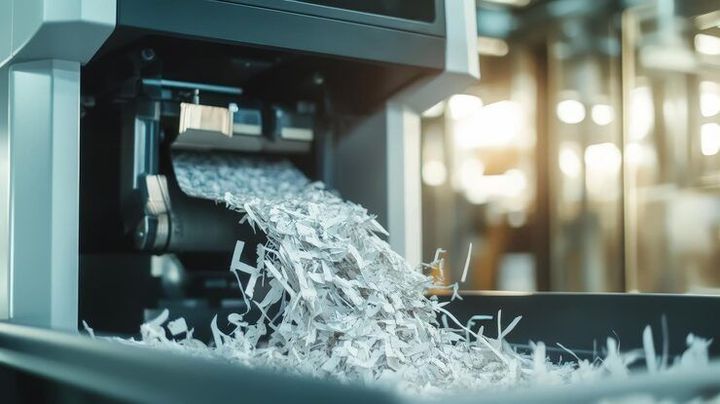
Industrial paper shredders process documents, cardboard, and paper-based materials in offices and recycling facilities.
Specialized shredders are designed for particular materials, such as tires, electronic waste, or production scrap.
Each configuration has different operating requirements, maintenance needs, and material limitations. A machine designed for cardboard may not safely process thick plastic components or metal-containing waste.
Importance
Commercial shredder machines matter because waste management has become an important part of industrial operations, commercial property management, and resource conservation. Businesses generate discarded packaging, rejected products, paper records, and manufacturing remnants that require appropriate handling. Without organized processing, these materials can occupy valuable space and complicate waste collection.
Shredding can reduce the volume of certain materials and make them easier to move through recycling systems. Smaller fragments may also be more convenient for separation equipment, depending on the material and the processing method. These advantages can support more organized waste handling, although actual results vary according to material composition and machine settings.
Who Uses Commercial Shredder Machines?
Different organizations use shredding equipment for different purposes.
Manufacturing facilities process plastic offcuts, production rejects, wood remnants, and other suitable manufacturing waste.
Warehouses and distribution centers reduce cardboard, packaging, and selected damaged materials.
Recycling facilities prepare incoming waste for separation and subsequent processing.
Offices and institutions destroy confidential paper records according to their information-handling procedures.
Waste management operators process selected bulky materials before additional treatment or recovery.
Construction and demolition operations may use specialized equipment for suitable wood, plastic, and other recoverable materials.
Main Waste Management Challenges
Businesses must consider several challenges when introducing commercial shredding equipment. Mixed materials can be difficult to process because different substances require different cutting methods and output sizes. Contamination from adhesives, liquids, dirt, or incompatible components can also reduce the suitability of shredded material for recycling.
Other challenges include electricity consumption, blade wear, dust generation, noise, equipment downtime, and operator safety. Materials such as batteries, pressurized containers, and certain electronic components may create fire, chemical, or mechanical hazards if processed using unsuitable equipment.
An effective waste reduction system therefore combines appropriate shredding machinery with material inspection, segregation, safe operating procedures, and planned maintenance.
Recent Updates
Commercial shredding technology continues to develop alongside changes in recycling infrastructure, manufacturing processes, and environmental management. Recent industry trends emphasize improved automation, more consistent output, equipment monitoring, and better integration with material recovery systems.
Automation and Smart Monitoring
Modern commercial shredder machines may include programmable controls, motor-load monitoring, automatic reversing, and overload protection. These features can help operators identify blockages, respond to excessive loads, and manage operating conditions more consistently.
Some systems incorporate sensors that monitor vibration, temperature, operating hours, or motor performance. When connected to suitable monitoring software, this information can support maintenance planning. The available functions vary significantly between machine models.
Energy Efficiency and Equipment Design
Manufacturers continue to develop cutting systems, drive mechanisms, and control strategies intended to manage electricity consumption during processing. Variable-speed drives and load-responsive controls can adjust machine operation to changing material conditions.
Energy performance depends on the material being processed, throughput, cutting settings, motor capacity, and operating schedule. Equipment specifications should therefore be evaluated against actual operating requirements rather than relying on general efficiency claims.
Integration With Recycling Systems
Another development is the integration of shredders with conveyors, screening equipment, magnetic separators, optical sorting systems, and washing lines. These connected systems can help prepare materials for recovery in a more organized sequence.
For example, a plastic recycling facility may shred selected plastic waste before separating contaminants and washing the resulting flakes. The suitability of the output depends on polymer type, contamination levels, and the requirements of subsequent processing stages.
Comparison of Commercial Shredder Applications
Machine type | Typical materials | Main purpose | Important consideration |
|---|---|---|---|
Paper shredder | Paper and documents | Document destruction | Required security level |
Single-shaft shredder | Plastics and wood | Controlled size reduction | Screen and blade configuration |
Dual-shaft shredder | Bulky waste and selected mixed materials | Primary size reduction | Material compatibility |
Tire shredder | Used tires | Tire size reduction | Specialized cutting components |
E-waste shredder | Selected electronic waste | Component size reduction | Hazardous components and separation |
Cardboard shredder | Corrugated cardboard | Packaging reduction | Throughput and output format |
These applications are general examples. The manufacturer's operating limits and material compatibility requirements determine whether a specific machine is appropriate.
Laws or Policies
Commercial shredder machine operations are affected by environmental protection rules, workplace safety requirements, waste classification systems, and regulations governing specific materials. The exact obligations depend on the country, local authority, type of facility, and waste stream.
Environmental and Waste Management Requirements
Many jurisdictions establish requirements for waste collection, storage, transportation, treatment, and disposal. Businesses may need permits or approvals when operating waste treatment facilities or processing particular categories of industrial waste.
Waste segregation and recycling policies can influence which materials are collected separately and how they are prepared for recovery. Organizations must determine whether their waste streams require special handling before introducing them into a shredder.
Electronic waste, used batteries, tires, and certain industrial residues may be subject to additional rules. Shredding does not remove these obligations, and the resulting fragments may still require regulated handling.
Workplace Safety
Industrial shredders contain moving blades, powerful drive systems, and feeding mechanisms that can cause serious injuries. Workplace safety procedures generally address machine guarding, emergency stops, maintenance isolation, operator training, and safe material feeding.
Dust extraction and noise management may also be necessary, particularly when processing paper, wood, plastics, or other materials that generate airborne particles. Equipment should be operated according to its instructions, with suitable protective measures for the specific task.
Country-Specific Considerations
In India, businesses may need to consider applicable environmental legislation, Central Pollution Control Board guidance, State Pollution Control Board requirements, and relevant waste-management rules. Requirements can differ according to the waste category, facility activity, and applicable permissions.
Other countries have their own environmental agencies, workplace safety authorities, and recycling frameworks. Businesses operating internationally must assess the requirements relevant to each facility rather than assuming that one jurisdiction's rules apply everywhere.
Tools and Resources
Several types of tools can help organizations evaluate commercial shredder machines and plan waste processing activities. Their usefulness depends on the facility's materials, operational objectives, and regulatory responsibilities.
Equipment Selection Tools
Manufacturer specification sheets and technical comparison templates help users examine important machine characteristics. Relevant details include motor power, rated throughput, cutting chamber dimensions, shaft configuration, screen size, noise levels, and maintenance access.
A comparison worksheet can include:
Material type and average dimensions.
Estimated daily or hourly processing volume.
Desired output size.
Operating hours and electricity requirements.
Blade replacement intervals and maintenance access.
Dust control, guarding, and emergency-stop provisions.
These details make equipment comparisons more meaningful than relying on machine size or motor power alone.
Waste Volume and Capacity Calculators
Waste volume calculators help estimate how much space discarded materials occupy before and after processing. Some tools also allow users to estimate daily throughput and the operating time required for a particular quantity of material.
Calculations should account for differences in material density, moisture, feeding consistency, and machine downtime. A manufacturer's rated capacity may represent controlled test conditions rather than typical performance with mixed waste.
Environmental and Recycling Resources
Environmental agency publications can help organizations understand waste classifications, recycling requirements, and facility obligations. Industry associations and technical guidance documents may also explain material recovery methods and equipment safety practices.
Useful resources include:
Government environmental agency publications for applicable waste rules.
Manufacturer operating manuals for machine limits and maintenance schedules.
Workplace safety guidance for guarding, isolation, and operator training.
Recycling facility guidelines for accepted materials and contamination limits.
Internal waste audit templates for recording material quantities and disposal routes.
These resources support planning, but facility-specific compliance requirements should be confirmed with the appropriate authority or qualified professional.
FAQs
What Is a Commercial Shredder Machine Used For?
A commercial shredder machine reduces materials such as paper, cardboard, plastic, wood, and selected industrial waste into smaller pieces. The resulting material may be easier to transport, store, separate, or prepare for recycling.
How Do I Choose an Industrial Shredder for Waste Reduction?
Selection depends on the material type, dimensions, processing volume, required output size, and intended downstream use. Motor capacity, cutting configuration, maintenance requirements, and safety features are also important considerations.
Can Commercial Shredder Machines Process Plastic and Metal?
Some commercial shredders process particular plastics or metals, but compatibility varies by design. Thick metal components, mixed electronic waste, and abrasive materials may require specialized equipment and additional safety controls.
How Does Shredding Support Recycling Solutions?
Shredding reduces material size and can prepare waste for screening, separation, washing, or further processing. Successful recycling still depends on material identification, contamination control, and the capabilities of the downstream recycling system.
What Safety Precautions Are Required When Operating a Commercial Shredder?
Important precautions include using machine guards, following feeding procedures, keeping hands away from cutting mechanisms, and applying proper isolation procedures before maintenance. Operators should also receive relevant training and use appropriate protective equipment.
Conclusion
Commercial shredder machines support waste reduction by processing suitable materials into smaller, more manageable pieces. Different machine designs serve different applications, from confidential paper destruction to industrial plastic processing and specialized recycling operations. Equipment selection depends on material compatibility, throughput, output requirements, maintenance, and safety considerations. Environmental compliance and appropriate downstream processing remain essential parts of an effective waste management system.