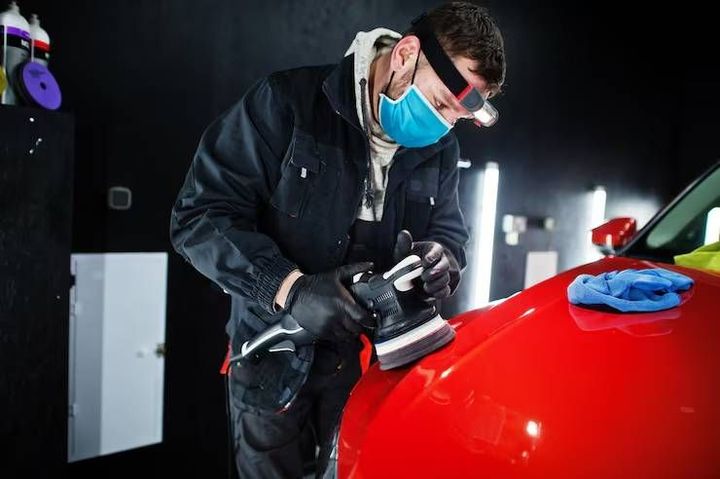
Car Paint and Dent Repair Explore Essential Techniques for Vehicle Body Restoration
Car paint and dent repair covers the methods used to restore a vehicle's exterior after dents, scratches, chips, corrosion, fading, or other body damage. Vehicle body restoration combines metal or panel shaping, surface preparation, filling, priming, color matching, paint application, curing, polishing, and final inspection.
The objective is to return damaged body panels to a suitable physical and visual condition while preserving the surrounding vehicle structure.
Vehicle bodies are commonly made from steel, aluminum, plastics, composites, and other engineered materials. Each material reacts differently to impact, heat, sanding, adhesives, and forming tools. As a result, the repair technique depends on the panel material, damage location, depth, size, and condition of the existing paint.
Small dents may sometimes be corrected without removing the original paint. This approach is commonly associated with paintless dent repair, where specialized tools are used to gradually reshape the panel from behind or through suitable access points. Larger dents, scratches, or damaged paint may require conventional body repair followed by refinishing.
Car paint repair is closely connected with dent repair because reshaping a panel can disturb its surface coating. A repair process may therefore involve several stages rather than one operation.
Common Types of Vehicle Body Damage
Exterior damage can occur through minor impacts, parking incidents, weather exposure, road debris, corrosion, or prolonged environmental exposure. Common examples include:
Small door and parking dents
Creases in body panels
Scratches through the clear coat
Paint chips
Scuffed bumpers
Peeling or damaged paint
Surface corrosion
Dents with cracked paint
Larger panel deformation
The visible appearance does not always reveal the full extent of damage. A relatively small dent can affect a panel edge, reinforcement area, sensor location, or underlying mounting structure.
Basic Restoration Process
A typical vehicle body restoration sequence begins with inspection and damage assessment. The affected area is cleaned so technicians can identify dents, scratches, paint separation, corrosion, and previous repairs.
The damaged panel may then be reshaped, repaired, or replaced according to its condition. Surface preparation follows, including sanding, cleaning, filling where necessary, and application of suitable primer before the color and protective coating are applied.
The final stages can include curing, polishing, color inspection, panel alignment, and checking the repaired area against adjacent surfaces.
Importance
Car paint and dent repair matters because exterior body panels protect underlying components while also forming a major part of a vehicle's visible structure. Unrepaired scratches or exposed metal can allow environmental moisture to reach vulnerable surfaces, while larger dents can affect panel alignment or operation of doors, hatches, and other components.
The subject also affects vehicle owners, technicians, insurers, manufacturers, body repair facilities, and automotive inspection processes. Understanding basic repair techniques helps people recognize why different types of damage require different approaches.
Paintless Dent Repair
Paintless dent repair is designed for certain dents where the paint remains intact and the panel can be accessed sufficiently for controlled reshaping. Specialized rods, hooks, leverage tools, and lighting systems can help identify high and low areas in the panel.
The technician gradually moves the metal back toward its original shape rather than removing the damaged section and repainting it. The method may not be appropriate when paint has cracked, the metal has stretched significantly, or the damaged area is positioned where suitable access is unavailable.
Conventional Dent Repair
Conventional body repair can involve pulling, reshaping, filling, sanding, priming, and repainting. The damaged area is first assessed to determine whether the existing panel can be restored or whether replacement is more appropriate.
Body filler may be used to level certain repaired surfaces after the underlying panel has been properly shaped. It is then sanded to create a suitable foundation for primer and paint.
Paint Preparation
Paint preparation is one of the most important stages of refinishing. The surface must be clean, dry, properly shaped, and appropriately prepared before new coatings are applied.
Common preparation steps include:
Washing and degreasing
Removing loose paint
Sanding damaged areas
Treating suitable corrosion
Applying body filler where required
Sanding filler to the desired contour
Applying primer
Preparing the surrounding surface
Removing dust and contaminants
Poor surface preparation can affect how coatings adhere and how the finished panel appears.
Color Matching
Modern vehicles use many paint colors and finishes, including solid, metallic, pearlescent, matte, and multi-stage systems. A vehicle's original color code can provide useful information, but matching the surrounding paint can still require careful adjustment.
Age, sunlight, environmental exposure, previous refinishing, and manufacturing variation can change the appearance of existing paint. Technicians may therefore use color samples, digital paint systems, spray-out cards, and controlled lighting to compare the new coating with surrounding panels.
Recent Updates
From 2024 through 2026, vehicle body restoration has continued to adapt to changes in automotive materials, paint technology, electric vehicles, driver-assistance equipment, and digital repair processes. The general trend is toward more precise assessment and greater attention to the interaction between body repair and electronic vehicle systems.
Advanced Vehicle Materials
Modern vehicles increasingly use combinations of high-strength steel, aluminum, plastics, composites, and other lightweight materials. These materials can require different repair methods because their forming characteristics and responses to heat or mechanical force are not identical.
A repair approach suitable for a conventional steel panel may not be appropriate for an aluminum or composite component. Material identification has therefore become an important part of damage assessment.
Digital Damage Assessment
Digital photography, measurement equipment, electronic inspection records, and computerized estimating platforms are increasingly incorporated into automotive body workflows. These tools can document damage and provide structured information about repair stages.
Digital measurement systems can also help assess panel dimensions and alignment. Such equipment can complement physical inspection rather than replace it.
Paint Technology
Automotive refinishing continues to use increasingly specialized coating systems. Waterborne basecoats, high-solid coatings, clear coats, and other formulations are used in different applications according to manufacturer and regulatory requirements.
Controlled spray environments, improved mixing equipment, infrared curing, and digital color-management systems can help technicians manage refinishing processes more consistently.
Electric and Sensor-Equipped Vehicles
Modern vehicles may contain cameras, radar units, parking sensors, proximity sensors, and other electronic components near body panels. Body repair can therefore involve considerations beyond the visible panel surface.
After certain repairs, sensors or cameras may require inspection, alignment, calibration, or functional verification according to vehicle-specific procedures. The exact requirements depend on the vehicle and the affected components.
Laws or Policies
Car paint and dent repair can be influenced by regulations covering vehicle safety, environmental emissions, paint materials, workplace protection, waste handling, and repair documentation. Specific requirements vary by country and local jurisdiction.
Paint and Environmental Requirements
Automotive refinishing materials can contain solvents and other chemical components that may contribute to workplace or environmental emissions. Regulations in many jurisdictions address the handling, storage, application, and disposal of such materials.
Paint booths and ventilation systems may also be subject to requirements concerning air movement, filtration, fire protection, and worker exposure. Facilities must follow the rules applicable to their location and coating materials.
Workplace Safety
Body repair involves tools, compressed air, sanding dust, welding equipment, lifting equipment, paint chemicals, and moving vehicle components. Workplace requirements can address protective equipment, ventilation, equipment guarding, fire prevention, chemical storage, and worker training.
Safe procedures are particularly important during sanding, painting, welding, panel pulling, and work around electrical systems.
Vehicle Safety and Repair
A body repair should account for structural components, restraint systems, lighting, sensors, and other safety-related equipment where relevant. Damage around these components may require additional inspection.
For vehicles equipped with advanced driver-assistance systems, repair procedures can include specific checks after work near cameras, radar sensors, or related mounting points.
Tools and Resources
Vehicle body restoration uses a wide range of tools for assessment, panel shaping, surface preparation, painting, curing, and inspection. Dent inspection may use specialized lighting because reflected lines can make small changes in panel shape easier to identify.
Common resources include:
Dent inspection lights
Paint thickness gauges
Panel alignment tools
Dent rods and hooks
Pulling equipment
Body hammers and dollies
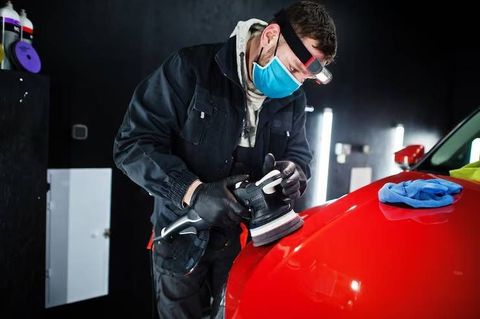
Sanding equipment
Dust extraction systems
Paint mixing systems
Spray guns
Paint curing equipment
Color-matching software
Vehicle repair documentation
Sensor calibration equipment
A simplified comparison of repair techniques is shown below:
| Repair Technique | Typical Damage | Paint Usually Disturbed? | Main Consideration |
|---|---|---|---|
| Paintless Dent Repair | Small suitable dents | Usually no | Paint condition and panel access |
| Panel Reshaping | Moderate deformation | Sometimes | Metal condition |
| Body Filler Repair | Surface irregularities | Yes | Surface preparation |
| Spot Refinishing | Local paint damage | Yes | Color matching |
| Panel Repainting | Larger refinished area | Yes | Blend and finish |
| Panel Replacement | Severe or unsuitable damage | Yes | Alignment and material type |
Paint Thickness Measurement
A paint thickness gauge can help identify variations in coating thickness and previous refinishing. Such information may help during inspection because a panel with multiple existing coating layers can behave differently during sanding or refinishing.
Measurements should be interpreted according to the gauge type, substrate material, and vehicle construction. A single reading does not necessarily describe the condition of an entire panel.
Surface Preparation Tools
Sanders, abrasives, masking materials, cleaning agents, fillers, and primers are commonly used during refinishing. Each material has a specific purpose within the preparation sequence.
Clean working conditions are particularly important. Dust, silicone contamination, moisture, grease, and other particles can interfere with coating application and surface appearance.
FAQs
What is car paint and dent repair?
Car paint and dent repair includes techniques used to restore damaged vehicle panels, including dent reshaping, surface preparation, priming, color application, clear coating, and polishing. The exact process depends on the type and extent of damage.
When can paintless dent repair be used?
Paintless dent repair can be appropriate for certain dents where the original paint remains intact and the panel can be accessed for controlled reshaping. Cracked paint, severe stretching, sharp creases, or difficult access can limit its suitability.
How does car paint repair work?
Car paint repair generally involves cleaning, sanding, surface preparation, primer application, color coating, and protective clear coating. Depending on the damaged area, the new paint may need to be blended into adjacent panels.
What tools are used for vehicle body restoration?
Common tools include dent rods, pulling equipment, body hammers, sanding equipment, paint thickness gauges, spray guns, paint mixing systems, curing equipment, inspection lights, and color-matching systems.
How do modern vehicles affect dent and paint repair?
Modern vehicles may use aluminum, high-strength steel, composite panels, cameras, radar, parking sensors, and other electronic components. Repair procedures therefore need to account for material characteristics and any sensors or systems located near the damaged area.
Conclusion
Car paint and dent repair combines panel reshaping, surface preparation, paint application, color matching, curing, and inspection to restore damaged vehicle exteriors. Paintless dent repair can address certain dents while preserving the existing coating, whereas more extensive damage may require conventional body repair and refinishing. Modern vehicle materials, specialized coatings, digital inspection systems, and electronic driver-assistance equipment have added new considerations to body restoration. Applicable environmental, workplace, and vehicle safety requirements vary by jurisdiction and repair situation.