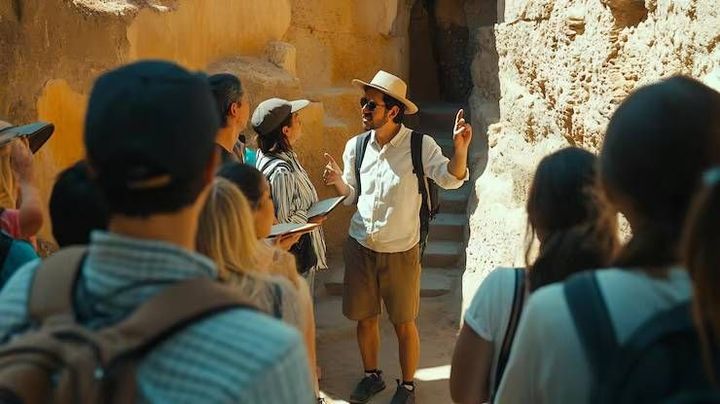
Tour Guide Arrangements Information With Transportation, Activities, and Tour Planning
Tour guide arrangements bring together transportation, sightseeing activities, accommodation coordination, and travel schedules to help people understand and explore destinations.
These arrangements may involve a professional guide, a planned itinerary, local transportation, cultural experiences, and information about attractions. They can be organized for individuals, families, educational groups, corporate travelers, or larger tour groups.
The concept of guided travel developed from the need to help visitors navigate unfamiliar places, understand local traditions, and reach important landmarks. As international travel expanded, organized tours became more structured, combining transportation planning with historical interpretation, recreational activities, and practical travel information.
Today, tour guide arrangements vary according to destination, group size, travel duration, accessibility requirements, and personal interests. Some travelers prefer walking tours through historic districts, while others choose guided nature excursions, museum visits, cultural programs, or multi-destination journeys. Understanding these arrangements helps travelers compare available options and prepare realistic itineraries.
Main Components of Tour Guide Arrangements
Tour planning generally includes several connected elements:
Transportation coordination involves arranging suitable vehicles, public transport connections, airport transfers, or walking routes.
Guided activities include sightseeing, historical explanations, cultural visits, outdoor recreation, and educational experiences.
Itinerary development establishes the order of destinations, estimated travel times, activity durations, and rest periods.
Group coordination covers meeting locations, participant communication, attendance, and schedule adjustments.
Practical preparation includes accessibility considerations, weather awareness, local customs, and emergency contact information.
Each component contributes to a more organized travel experience. The exact arrangement depends on the destination and the needs of the participants.
Importance
Tour guide arrangements matter because unfamiliar destinations can create logistical challenges for travelers. Visitors may encounter language differences, complicated transportation networks, unfamiliar local customs, and uncertainty about attraction opening hours. Organized planning helps clarify these details before a journey begins.
Guided travel also supports cultural understanding. A knowledgeable guide can explain the historical background of monuments, describe traditional practices, and provide context that visitors might otherwise overlook. This can make museum visits, heritage walks, and community-based activities more informative.
Who Benefits From Organized Tour Planning
Different traveler groups use guided arrangements for different purposes.
Families may need convenient transportation, shorter activities, accessible facilities, and regular breaks.
Educational groups may prioritize museums, historical locations, cultural demonstrations, and learning objectives.
Older travelers may require step-free access, manageable walking distances, seating opportunities, and clearly communicated schedules.
Corporate groups may need coordinated transfers, meeting schedules, group activities, and attendance management.
Independent travelers may prefer guides for particular activities while arranging the remainder of their journeys themselves.
Common Planning Challenges
Transportation delays can disrupt several activities within a single itinerary. Weather changes may affect outdoor excursions, while crowded attractions can increase waiting times and reduce the time available for other visits.
Other challenges include unclear meeting points, differences in participants' physical abilities, language barriers, and unexpected schedule changes. A practical itinerary includes reasonable travel buffers, clear communication procedures, alternative activities, and sufficient time for meals and rest.
Recent Updates
Tour guide arrangements are increasingly influenced by digital planning tools, mobile navigation, changing traveler expectations, and a growing interest in flexible experiences. Travelers can compare itineraries, review attraction information, coordinate group schedules, and access digital maps before departure.
Digital Itinerary Management
Electronic itineraries allow travelers and organizers to keep transportation details, meeting locations, activity schedules, and booking confirmations in one accessible place. Calendar applications and travel management platforms can also help participants receive schedule changes without relying entirely on printed documents.
Digital tools do not eliminate the need for accurate information. Travelers still need to confirm operating hours, transportation availability, accessibility details, and local requirements with appropriate providers.
Personalized and Small-Group Experiences
Many guided travel arrangements are designed around specific interests rather than a standard sightseeing route. Examples include architectural walks, food history tours, wildlife observation, photography excursions, and visits focused on local crafts.
Smaller groups may allow more opportunities for questions and easier coordination. However, group size alone does not determine the quality of an experience; guide knowledge, preparation, safety procedures, and itinerary suitability also matter.
Accessibility and Responsible Tourism
Accessibility is receiving greater attention in travel planning. Organizers increasingly consider wheelchair access, accessible transport, hearing assistance, walking distances, and the availability of suitable facilities.
Responsible tourism also influences activity selection. Travelers and organizers may consider environmental protection, respect for local communities, visitor limits, wildlife welfare, and the preservation of cultural heritage. These considerations can affect route selection, group sizes, and the timing of visits.
Comparison of Common Tour Arrangements
Arrangement type | Transportation | Main activities | Planning considerations |
|---|---|---|---|
City sightseeing | Walking, buses, or cars | Landmarks and museums | Traffic and opening hours |
Cultural tour | Walking or local transport | Heritage sites and cultural demonstrations | Local customs and access rules |
Nature excursion | Cars, minibuses, or hiking routes | Parks, trails, and wildlife observation | Weather and physical ability |
Educational tour | Coaches or public transport | Museums and historical locations | Group supervision and learning objectives |
Multi-destination tour | Trains, coaches, or flights | Attractions across several locations | Transfers and schedule buffers |
Accessible guided tour | Accessible vehicles and suitable routes | Adapted sightseeing activities | Individual mobility requirements |
Laws or Policies
Tour guide arrangements are shaped by local laws and administrative requirements. Because regulations differ between destinations, there is no single worldwide framework covering every guide, transportation provider, attraction, and tour operator.
Tour Guide Qualifications and Registration
Some destinations require guides to hold a licence, complete training, or register with a relevant authority. Other locations allow broader participation, subject to general business, consumer protection, or site-specific rules.
Certain heritage locations, protected areas, museums, and archaeological sites may require guides to follow special procedures. Organizers should understand whether a particular destination requires an authorized guide, advance permission, or a restricted visitor route.
Transportation and Passenger Safety
Transportation arrangements may be subject to vehicle licensing, driver qualifications, passenger capacity limits, insurance requirements, and road safety rules. Different standards can apply to private vehicles, commercial passenger transport, buses, boats, and other forms of travel.
Travel organizers should establish who is responsible for transport coordination and verify that the selected arrangement meets applicable requirements. Passengers should receive clear information about pickup locations, departure times, luggage restrictions, and emergency procedures.
Consumer Protection and Accessibility
Consumer protection rules may address booking terms, cancellation conditions, refunds, advertising accuracy, and the disclosure of important itinerary changes. The precise protections available depend on the location, contractual arrangement, and applicable law.
Accessibility legislation may also affect public attractions, accommodation, transportation, and guided activities. Travelers with specific requirements benefit from confirming practical arrangements in advance rather than assuming that every route or vehicle is accessible.
Environmental and Heritage Restrictions
National parks, marine areas, religious sites, and historic buildings may impose restrictions on photography, visitor numbers, clothing, noise, or access to protected areas. Wildlife activities may also be subject to conservation requirements.
Following these rules helps protect natural environments, cultural landmarks, and the safety of visitors. Local authorities and attraction administrators determine the requirements applicable to each location.
Tools and Resources
Tour guide arrangements can be managed through a combination of planning applications, navigation tools, scheduling templates, and official destination information. The appropriate tools depend on the size of the group, the complexity of the itinerary, and the transportation methods involved.
Digital Planning and Navigation
Mapping applications help estimate journey times, identify meeting points, examine walking routes, and compare transportation connections. Route estimates should be treated as approximate because traffic, weather, road closures, and public transport disruptions can change travel conditions.
Calendar applications and shared itinerary documents help organize departure times, activity reservations, meal breaks, and transfer arrangements. For group travel, assigning a coordinator and maintaining a current participant list can simplify communication.
Tour Planning Checklist
A practical checklist can help organizers review essential details before departure.
Confirm the destination, travel dates, group size, and primary activities.
Verify guide qualifications where required.
Check transportation arrangements, pickup points, and expected journey durations.
Review attraction opening hours, reservation requirements, and entry restrictions.
Confirm accessibility, dietary arrangements, and rest periods where relevant.
Prepare emergency contacts and an alternative plan for disruptions.
Share the itinerary and instructions with all participants.
Useful Information Sources
Official tourism information, transportation authorities, attraction administrators, weather forecasting tools, and public transport applications can support planning. Travel booking platforms and itinerary management software may also help coordinate reservations and schedule changes.
For complex group arrangements, a spreadsheet can record activity times, transportation details, participant requirements, confirmation status, and responsible coordinators. Keeping these details in a consistent format makes it easier to identify missing information and resolve scheduling conflicts.
FAQs
What Are Tour Guide Arrangements?
Tour guide arrangements combine guided activities, transportation coordination, itinerary planning, and practical travel information. They can support sightseeing, cultural exploration, educational visits, nature excursions, and multi-destination journeys.
How Is Transportation Organized for a Guided Tour?
Transportation may include walking routes, public transport, private vehicles, coaches, trains, or boats. The selection depends on group size, destination distances, accessibility needs, local transport rules, and the activities included in the itinerary.
What Should a Tour Planning Checklist Include?
A tour planning checklist should cover travel times, meeting points, attraction schedules, guide arrangements, transportation details, accessibility requirements, emergency contacts, and alternative plans. Booking confirmations and local entry requirements should also be reviewed.
Are Tour Guides Required to Have a Licence?
Requirements vary by destination and activity. Some locations require formal licensing or registration, while others do not impose a universal guide licence. Certain protected sites and heritage attractions may have additional authorization requirements.
How Do Digital Tools Help With Tour Guide Arrangements?
Digital maps, shared calendars, itinerary applications, and group messaging tools help coordinate schedules and communicate changes. Their information should be checked against current transportation details and official attraction requirements.
Conclusion
Tour guide arrangements connect transportation, guided activities, itinerary development, and practical travel coordination into a structured travel plan. Their usefulness depends on the destination, participant requirements, local regulations, and the complexity of the journey. Digital planning tools and greater attention to accessibility and responsible tourism are influencing how guided experiences are organized. Clear schedules, accurate information, and appropriate contingency planning remain important elements of effective tour management.