Real Estate in Thailand: Tips for Property Selection and Location Planning
Thailand's real estate market includes a wide range of residential properties, including condominiums, private villas, townhouses, apartments, and detached houses.
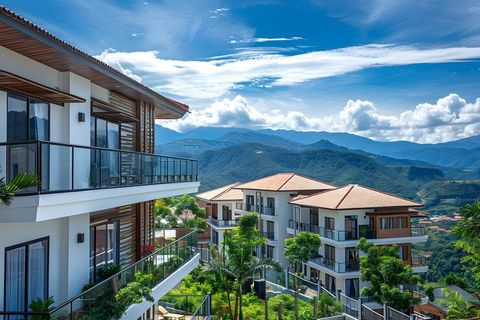
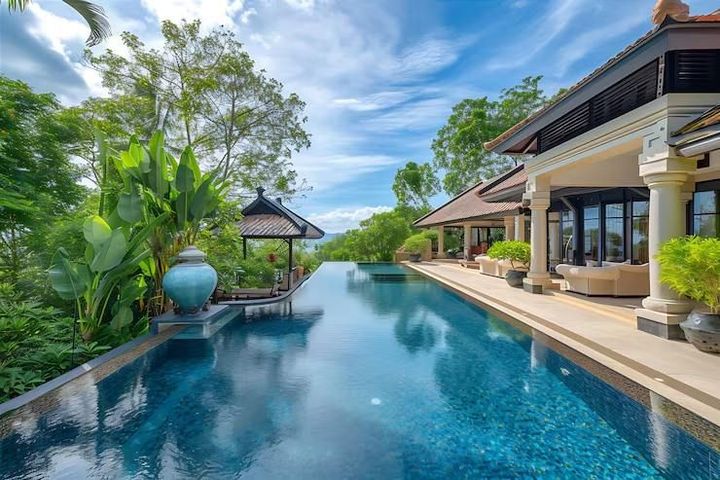
The market includes modern condominiums, detached houses, apartments, villas, and coastal residences.
The country's property sector is influenced by tourism, employment opportunities, infrastructure development, population movement, and changing housing preferences. These factors contribute to differences in property demand across major cities and residential destinations.
Importance of Thailand's Property Sector
Real estate plays an important role in Thailand's economy. Residential development supports construction, architecture, urban planning, property management, and related industries.
The market also reflects changing lifestyle preferences. Some residents prefer apartments near business districts, while others consider suburban houses or coastal properties for longer-term accommodation.
Major Property Locations in Thailand
Bangkok
Bangkok is Thailand's capital and a major commercial center. It has a wide selection of condominiums, apartments, townhouses, and detached residences.
People researching Thailand property prices often compare Bangkok neighborhoods based on transportation, educational institutions, hospitals, employment centers, and nearby facilities.
Phuket and Pattaya
Phuket and Pattaya are recognized for their coastal environments and tourism-related development. Their residential markets include condominiums, holiday apartments, villas, and Thailand beachfront property.
Property demand in these locations can be influenced by seasonal tourism, local infrastructure, and international travel patterns.
Chiang Mai
Chiang Mai offers a different residential environment, with traditional neighborhoods, modern apartments, and residential developments. Its educational institutions, cultural attractions, and surrounding natural landscapes influence housing preferences.
Types of Residential Properties Available
Thailand has several residential property categories, each with different characteristics and ownership arrangements.
Condominiums: Individual residential units within shared buildings, often featuring common facilities.
Detached Houses: Independent residential buildings with private outdoor areas.
Apartments: Residential units generally managed under building-level ownership arrangements.
Townhouses: Multi-level homes that share walls with neighboring properties.
Luxury Properties: Higher-specification residences featuring additional amenities and architectural features.
Beachfront Residences: Properties situated near coastal areas, with location-specific environmental considerations.
People exploring condos for sale in Thailand or houses for sale in Thailand should compare building conditions, ownership documentation, neighborhood facilities, and maintenance arrangements.
Property Prices and Market Considerations
Factors Influencing Property Values
Thailand property prices vary considerably according to location, property type, construction quality, building age, and nearby infrastructure.
Properties close to public transportation, commercial districts, hospitals, and educational institutions may have different market values from those in less-developed areas.
The following table provides a general comparison of property categories rather than fixed market quotations.
Property category | Main influencing factors |
|---|---|
City condominiums | Location, facilities, building age |
Detached houses | Land area, neighborhood, construction |
Beachfront properties | Coastal location, accessibility |
Luxury residences | Design, materials, amenities |
Suburban apartments | Transport, local facilities |
Financial Planning
Researching Thailand apartment prices involves more than comparing advertised property values. Additional financial considerations may include:
Property registration and applicable transfer charges.
Building maintenance and common-area fees.
Annual property-related taxes.
Insurance and ongoing maintenance.
Currency exchange arrangements for international purchasers.
A detailed financial assessment helps people understand the long-term financial responsibilities associated with residential ownership.
Foreign Ownership Rules and Legal Considerations
Thailand has specific regulations governing property ownership by international purchasers. Understanding these requirements is particularly important before entering into a property transaction.
Condominium Ownership
Foreign nationals can generally own condominium units in Thailand under qualifying legal conditions. However, foreign ownership within an individual condominium building is limited to 49% of its total unit floor area.
Eligibility requirements and documentation must also be satisfied. The relevant ownership quota should be confirmed before completing a transaction.
Land and House Ownership
Foreign nationals generally cannot directly own land in Thailand, except under specific statutory exceptions. Long-term registered leases and other legally recognized property rights may provide alternative arrangements, but they do not automatically create land ownership.
Legal documentation, title verification, and professional review are important when evaluating these arrangements.
Important Factors Before Property Acquisition
People researching Thailand real estate investment opportunities should evaluate several practical considerations.
Location Research: Examine transportation, neighborhood development, and access to everyday facilities.
Legal Verification: Review ownership documents, title records, and applicable foreign ownership regulations.
Property Inspection: Examine structural conditions, utilities, construction quality, and maintenance history.
Financial Assessment: Consider registration charges, recurring expenses, taxes, and currency fluctuations.
Market Research: Compare similar properties and examine local residential demand.
These steps provide a clearer understanding of the responsibilities and potential risks associated with property ownership.
Frequently Asked Questions
Is Thailand a suitable location for residential property investment?
Thailand has different residential markets, including urban, suburban, and coastal locations. Suitability depends on individual objectives, financial circumstances, location preferences, and legal eligibility.
Can foreigners own condominiums in Thailand?
Yes. Foreign nationals can generally own qualifying condominium units, subject to legal requirements and the 49% foreign ownership quota within each building.
What influences Thailand luxury property values?
Location, architectural design, construction materials, facilities, surrounding infrastructure, and property condition can influence luxury residential property values.
Are houses and apartments subject to identical ownership rules?
No. Condominium ownership, building ownership, and land ownership involve different legal arrangements. Their documentation and eligibility requirements should be examined separately.
Conclusion
Real estate in Thailand includes diverse residential opportunities across major cities, suburban communities, and coastal destinations. Understanding property categories, regional differences, financial responsibilities, and ownership regulations helps readers evaluate the market more effectively. Careful research and legal verification remain important parts of any property-related decision.