Luxury Interior Design Basics With Decor Ideas, Layouts, and Architectural Details
Luxury interior design is an approach to creating interiors that combine visual refinement, comfort, practical planning, durable materials, and architectural detail.
It can be applied to apartments, houses, hotels, offices, restaurants, and other spaces where the interior environment needs a carefully coordinated appearance.
The idea has developed from traditional architectural interiors, where craftsmanship, proportion, symmetry, decorative materials, and carefully planned rooms were important parts of the built environment. Modern luxury interiors continue these principles while incorporating contemporary furniture, lighting technology, efficient layouts, and simpler decorative forms.
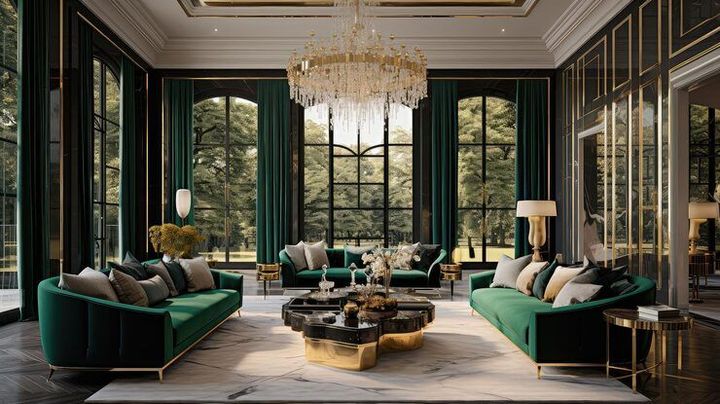
Luxury does not necessarily depend on having many decorative objects. A carefully planned room can feel sophisticated through balanced proportions, restrained colors, quality finishes, natural textures, and thoughtful lighting. The relationship between architecture, furniture, circulation, and decoration is often more important than the number of individual elements.
Core Elements of the Design Approach
Several elements commonly appear in luxury interior design. These include spacious layouts, coordinated materials, architectural features, layered lighting, customized furniture arrangements, and carefully selected decorative objects.
Common elements include:
Balanced room proportions and clear circulation paths
Natural stone, timber, metal, glass, or textured wall finishes
Layered ambient, task, and accent lighting
Furniture arranged around the function of each room
Architectural details such as wall panels, ceiling treatments, arches, niches, and moldings
Neutral or carefully coordinated color palettes
Decorative accessories used in controlled quantities
The overall objective is to create visual continuity while allowing each room to retain its own purpose.
Importance
Why Interior Planning Matters
Interior planning affects how people move, relax, work, entertain guests, and use everyday spaces. A visually attractive room can still feel uncomfortable when furniture blocks movement, lighting is poorly positioned, or storage has not been considered.
Luxury interior design addresses these challenges by connecting appearance with functionality. For example, a living room may use a large central seating arrangement, but the surrounding circulation should remain clear. Similarly, a bedroom may use decorative wall treatments while maintaining practical access to storage and lighting controls.
Layout and Space Planning
Layout is one of the foundations of an effective interior. Before selecting furniture or decorative finishes, designers generally consider the dimensions of the room, entrances, windows, natural light, fixed architectural features, and circulation.
For an open-plan interior, visual zones can be created without constructing full-height walls. A sofa, rug, lighting arrangement, or change in flooring can distinguish a living area from a dining area while maintaining an open feeling.
| Interior Element | Common Purpose | Planning Consideration |
|---|---|---|
| Seating area | Conversation and relaxation | Maintain clear movement around furniture |
| Dining zone | Meals and gatherings | Allow comfortable chair movement |
| Bedroom | Rest and privacy | Balance bed position with storage access |
| Kitchen | Food preparation and daily use | Maintain logical movement between work areas |
| Entry area | Transition into the home | Provide circulation and practical storage |
| Lighting zones | Mood and visibility | Combine general, task, and accent lighting |
Comfort and Everyday Use
A luxury interior should also support ordinary daily activities. Furniture dimensions, seating height, table placement, storage capacity, acoustic conditions, and lighting levels can significantly influence comfort.
Materials should also be considered according to how a room is used. A frequently used family area may require surfaces that are easier to maintain, while decorative finishes in a formal room may be selected primarily for visual character.
Recent Updates
Movement Toward Natural Materials
Current interior design trends increasingly emphasize natural-looking materials and tactile surfaces. Stone, timber, textured plaster, woven fabrics, and brushed metals can create visual depth without requiring excessive decoration.
Neutral colors remain common, but many contemporary interiors introduce warmer tones such as beige, muted brown, soft green, terracotta, or deep blue through furniture and accessories. This creates contrast while maintaining a calm visual foundation.
Layered Lighting and Smart Controls
Lighting has become an increasingly important part of luxury interior design. Instead of depending on a single ceiling fixture, designers often combine several lighting levels to create different visual effects.
A typical layered approach may include:
Ambient lighting for general illumination
Task lighting for reading, cooking, or working
Accent lighting for artwork, architectural features, or display areas
Decorative lighting for visual character
Smart lighting controls can also allow occupants to adjust brightness, color temperature, and room settings. These systems are particularly useful in interiors where lighting needs change throughout the day.
Architectural Details With Simpler Forms
Contemporary luxury interiors often use architectural details in a more restrained way. Instead of filling walls with multiple decorative elements, designers may focus on one strong feature such as a full-height stone surface, sculptural staircase, curved wall, recessed niche, or detailed ceiling.
Curved furniture and rounded architectural forms have also become more visible in contemporary interiors. These shapes can soften rooms dominated by straight walls and rectangular furniture.
Flexible and Multifunctional Spaces
Homes increasingly need rooms that can perform several functions. A study may also function as a guest room, while an open living area may accommodate dining, entertainment, and informal work.
This has encouraged greater attention to concealed storage, movable furniture, integrated lighting, and adaptable layouts. The result is an interior that can change according to daily activities without major structural changes.
Laws or Policies
Building and Interior Regulations
Luxury interior design is influenced by building regulations, fire safety requirements, electrical standards, accessibility provisions, ventilation rules, and structural requirements. The exact rules depend on the country, region, building type, and nature of the renovation.
Decorative decisions generally have fewer regulatory implications than structural changes. However, changes involving walls, ceilings, electrical systems, plumbing, ventilation, staircases, or building structures may require approval or professional review.
Accessibility and Safety
Interior layouts should also account for safe movement and practical accessibility. Door widths, circulation spaces, stair design, bathroom layouts, lighting levels, and floor surfaces can be affected by accessibility or safety requirements.
Materials should be selected with their intended application in mind. For example, flooring used in wet areas may require suitable slip resistance, while certain ceiling and wall materials may need to satisfy fire-performance requirements.
Because regulations vary considerably, the applicable building authority, property rules, or qualified professionals should be consulted when structural or regulated changes are planned.
Tools and Resources
Interior Planning Tools
Digital planning platforms can help users visualize furniture arrangements, room dimensions, colors, materials, and lighting concepts before physical changes are made. Many tools provide two-dimensional floor plans and three-dimensional room views.
Useful resources can include:
Room measurement and floor-plan applications
3D interior visualization software
Furniture layout templates
Lighting calculators and planning guides
Color palette generators
Material sample libraries
Kitchen and bathroom planning tools
Architectural drawing software
Measurement and Planning
Accurate measurements are important before developing a layout. Room length, width, ceiling height, door openings, window positions, fixed cabinets, electrical points, and plumbing locations should be recorded where relevant.
A simple planning worksheet can organize these details before furniture and finishes are selected. This reduces conflicts between the planned layout and existing architectural conditions.
Material Coordination
Material boards are another useful planning resource. They bring together flooring, wall finishes, fabrics, metals, wood tones, lighting finishes, and furniture references in one visual arrangement.
The purpose is to check whether different materials work together in terms of color, texture, proportion, and visual weight. This approach can be particularly helpful when several rooms need to maintain a consistent interior language.
FAQs
What are the basics of luxury interior design?
The basics include thoughtful space planning, balanced proportions, suitable materials, layered lighting, comfortable furniture, coordinated colors, and architectural details. The design should combine visual character with practical everyday use.
How can luxury interior design improve a small apartment?
Luxury interior design can work in smaller spaces through careful furniture proportions, multifunctional layouts, concealed storage, consistent materials, mirrors, controlled lighting, and uncluttered arrangements. The objective is to make the available space function efficiently without excessive decoration.
What architectural details are commonly used in luxury interiors?
Common architectural details include wall paneling, decorative moldings, recessed niches, arches, ceiling treatments, built-in shelving, feature walls, stone surfaces, integrated lighting, and custom cabinetry. The selection depends on the architectural character and function of the room.
What colors are commonly used in luxury interior design?
Neutral shades such as cream, beige, gray, taupe, white, and brown are frequently used as foundations. Deeper shades can be introduced through furniture, artwork, fabrics, or accent surfaces to create contrast and visual depth.
Is luxury interior design suitable for modern homes?
Yes. Modern homes can use luxury interior design through simple architectural forms, refined materials, integrated storage, layered lighting, carefully planned furniture, and restrained decoration. The approach can be adapted to both compact apartments and larger residences.
Conclusion
Luxury interior design combines space planning, architectural details, materials, lighting, furniture, and decoration into a coordinated interior environment. Modern approaches increasingly emphasize natural textures, flexible layouts, layered lighting, and simpler decorative forms. Regulations should be considered when interior changes affect structure, electrical systems, fire safety, accessibility, or other building requirements. Careful measurement and planning help connect aesthetic decisions with practical everyday use.