Luxury Home Flooring Overview With Hardwood, Marble, and Premium Tile Designs
Luxury home flooring plays an important role in residential interior design, combining appearance, durability, comfort, and practical functionality. It includes a variety of premium materials, such as natural hardwood, marble, porcelain tiles, ceramic surfaces, and decorative stone.
These materials have been used in residential architecture for generations, with their designs evolving alongside construction techniques and interior decoration preferences.
Hardwood flooring has historical roots in traditional European and North American homes, where natural timber provided warmth and a durable walking surface. Marble flooring has a much longer architectural history, appearing in ancient buildings, palaces, and formal residential interiors. Premium tile designs developed through improvements in ceramic production, glazing, surface finishing, and decorative manufacturing techniques.
Today, luxury home flooring is available in numerous colors, patterns, textures, and installation formats. Homeowners can select materials according to architectural style, room function, environmental conditions, and personal preferences. Modern flooring also incorporates improved protective coatings, moisture-resistant structures, and manufacturing processes.
Understanding these flooring categories helps readers identify their characteristics and how different materials contribute to residential interiors.
Understanding Hardwood Flooring
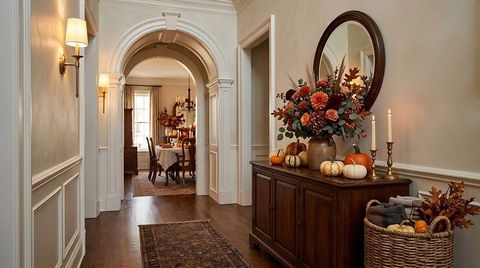
Hardwood flooring is manufactured from natural timber, including oak, walnut, maple, ash, and other tree species. Its natural grain patterns create visual variation, while different stains and finishes influence its final appearance.
Common hardwood flooring formats include:
Solid hardwood: Manufactured from a single piece of natural timber.
Engineered hardwood: Made using multiple wood layers with a natural hardwood surface.
Parquet flooring: Arranged in geometric patterns such as herringbone and chevron.
Wide-plank flooring: Uses broader wooden boards to create a spacious visual effect.
Solid hardwood can be refinished several times, depending on its thickness and condition. Engineered hardwood generally provides improved dimensional stability in environments where humidity changes occur.
Understanding Marble Flooring
Marble is a natural metamorphic stone formed through geological processes involving heat and pressure. Its characteristic veins, mineral variations, and polished appearance make it a recognizable material in residential architecture.
Marble flooring is available in several varieties, including white, beige, grey, green, and darker decorative patterns. Each slab has individual markings, meaning that two installations may not have identical appearances.
Polished marble creates a reflective surface, while honed marble has a smoother matte appearance. Textured finishes can provide additional grip in selected applications.
Understanding Premium Tile Designs
Premium tiles provide another category of luxury home flooring. They are manufactured using ceramic materials, porcelain compounds, and other engineered surfaces.
Popular varieties include porcelain tiles, glazed ceramic tiles, large-format tiles, and decorative patterned tiles. Porcelain is generally denser and less porous than conventional ceramic tile, making it suitable for several residential applications.
Modern tile designs can reproduce the visual appearance of wood, marble, concrete, and natural stone. This allows homeowners to explore different interior styles while considering the maintenance and technical characteristics of each material.
Importance
Flooring influences the appearance, usability, cleanliness, and long-term maintenance requirements of a home. It covers a substantial part of the interior environment and affects how furniture, lighting, wall finishes, and decorative elements work together.
The selection of luxury home flooring matters to several groups, including homeowners, architects, interior designers, property developers, and renovation professionals.
Everyday Residential Benefits
Different flooring materials address different household requirements.
Appearance: Natural wood grains, marble veins, and decorative tile patterns contribute to the visual identity of interior spaces.
Durability: Appropriate materials can withstand regular foot traffic and everyday household activities.
Hygiene: Smooth, properly maintained surfaces are generally easier to clean than some heavily textured alternatives.
Comfort: Wooden floors can provide a warmer underfoot experience than stone or ceramic surfaces.
Maintenance: Different materials require different cleaning products, protective treatments, and maintenance routines.
Interior coordination: Flooring influences the selection of furniture, wall colors, lighting, and decorative finishes.
Choosing Flooring According to Room Function
A material suitable for a living room may not be appropriate for a bathroom or kitchen. Moisture exposure, temperature changes, foot traffic, and cleaning frequency should influence material selection.
| Room | Suitable flooring options | Important consideration |
|---|---|---|
| Living room | Hardwood, marble, porcelain | Appearance and durability |
| Bedroom | Engineered hardwood, wood-look tiles | Comfort and warmth |
| Kitchen | Porcelain, ceramic, treated stone | Moisture and cleaning |
| Bathroom | Textured porcelain, suitable stone | Slip resistance |
| Dining room | Hardwood, marble, porcelain | Stain resistance |
| Entrance | Porcelain, durable stone | Foot traffic and dirt |
The table provides general guidance rather than a universal specification. Actual suitability depends on the material's technical properties and installation conditions.
Common Flooring Challenges
Luxury flooring can involve practical challenges that homeowners should understand before selecting a material.
Natural hardwood may expand or contract when humidity levels change. Marble can absorb certain liquids and develop stains if its surface is not properly protected. Some polished tiles can become slippery when wet.
Installation preparation is equally important. Uneven subfloors, unsuitable adhesives, incorrect expansion gaps, and inadequate moisture protection can affect the performance of finished flooring.
Recent Updates
The luxury flooring industry continues to develop through improvements in material manufacturing, digital design tools, surface treatments, and environmentally conscious production methods. Current interior design preferences increasingly combine natural-looking finishes with practical residential requirements.
Large-Format Flooring Designs
Large-format porcelain and ceramic tiles have become an important feature of contemporary interiors. Their larger dimensions can reduce the number of visible grout joints, creating a more continuous appearance.
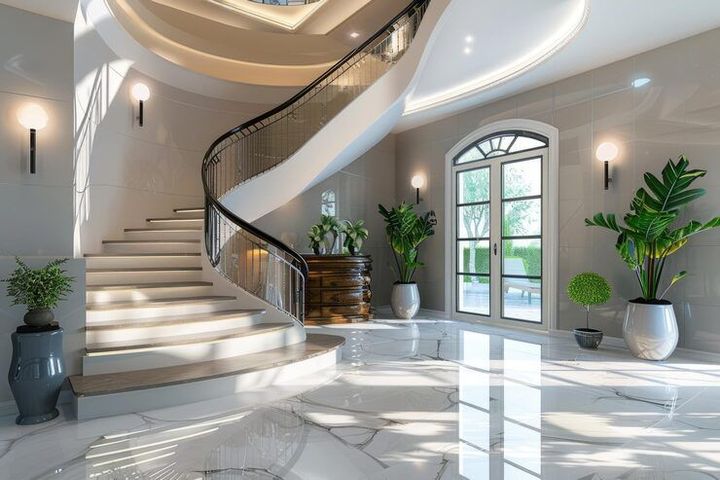
Marble-effect porcelain slabs are also used in residential spaces where designers want the visual character of natural stone with the manufacturing consistency of engineered materials.
Natural Wood Appearance
Wood-inspired flooring remains relevant in contemporary residential interiors. Engineered hardwood, textured finishes, and advanced printed porcelain surfaces provide different ways to incorporate natural timber aesthetics.
Light oak, walnut-inspired shades, natural brown finishes, and subtle grain patterns are commonly associated with modern interior design.
Improved Surface Technology
Manufacturers continue to develop protective coatings, textured finishes, and surface treatments for residential flooring.
Examples include:
Scratch-resistant surface treatments for selected engineered products.
Improved glazing techniques for ceramic and porcelain tiles.
Textured finishes designed to improve surface grip.
Protective treatments that reduce moisture absorption in selected natural stones.
Digital printing methods that create detailed wood and stone patterns.
Environmentally Considered Materials
Environmental considerations are becoming increasingly relevant to flooring selection. Some manufacturers incorporate recycled materials, responsibly sourced timber, and production methods designed to reduce material waste.
Flooring products with environmental certifications can provide information about manufacturing practices, emissions, and material sourcing. However, certification requirements differ between programs, and individual product documentation should be examined.
Laws or Policies
Luxury home flooring is influenced by building regulations, construction standards, environmental requirements, and product safety guidelines. The applicable rules depend on the country, local building authority, property classification, and intended use of the space.
Building and Construction Requirements
Residential construction regulations may establish requirements for flooring materials, structural loading, fire performance, accessibility, and moisture protection.
For example, flooring used in multi-storey residential buildings may need to meet specific fire-safety or acoustic performance requirements. Bathroom and kitchen installations may also need appropriate moisture protection.
Indoor Air Quality Standards
Adhesives, sealants, coatings, and certain manufactured flooring products can release volatile organic compounds (VOCs). These emissions may influence indoor air quality.
Some environmental certification programs evaluate emissions from flooring materials and associated installation products. Product documentation can help homeowners understand applicable emission classifications.
Timber and Environmental Regulations
Natural hardwood flooring may be subject to timber sourcing and environmental requirements. Regulations in different regions can address forest management, timber traceability, and restrictions on certain wood species.
Homeowners and construction professionals should consider:
Timber origin and documentation.
Applicable environmental certifications.
Product emission information.
Fire and slip-resistance classifications.
Local building and installation requirements.
These considerations provide a general overview. Specific legal obligations depend on the relevant jurisdiction and building regulations.
Tools and Resources
Several digital tools and technical resources help homeowners and interior design professionals evaluate luxury flooring options.
Flooring Area Calculators
Flooring calculators estimate the quantity of material required for a room. Users generally enter the room's length and width to calculate its total floor area.
Additional measurements may be necessary for irregular room layouts, staircases, alcoves, and installation patterns. A separate allowance for cutting and material wastage is normally included in project planning.
Interior Design Software
Room-planning platforms allow users to explore flooring combinations before installation. Many applications include three-dimensional room visualization, furniture placement, wall color selection, and material previews.
These tools help compare hardwood, marble, and premium tile designs within the same interior layout.
Material Comparison Tools
Product comparison platforms and manufacturer specification sheets provide information about different flooring materials.
Useful technical details include:
Water absorption ratings.
Surface hardness and abrasion classifications.
Slip-resistance information.
Thickness and dimensions.
Installation methods.
Cleaning and maintenance instructions.
Environmental Certification Resources
Environmental certification databases provide information about product emissions, material sourcing, and manufacturing practices. They can help readers understand whether particular flooring products meet recognized environmental criteria.
Manufacturer technical documents are also useful for understanding warranty conditions, installation limitations, and maintenance requirements.
FAQs
What Is Luxury Home Flooring?
Luxury home flooring refers to residential floor materials that combine distinctive appearance, material quality, durability, and specialized finishes. Common examples include natural hardwood, marble, porcelain, and decorative ceramic tiles.
Is Hardwood Flooring Suitable for Modern Homes?
Yes. Hardwood flooring can complement traditional and contemporary interiors. Engineered hardwood is particularly relevant where dimensional stability and changes in indoor humidity are important considerations.
Is Marble Flooring Appropriate for Every Room?
Marble can be used in living rooms, entrances, dining areas, and selected bathrooms. However, its maintenance requirements, moisture sensitivity, surface finish, and slip characteristics should be evaluated before installation.
What Is the Difference Between Porcelain and Ceramic Tiles?
Porcelain tiles generally have lower water absorption and greater density than conventional ceramic tiles. Both materials are available in numerous designs, colors, and finishes for different residential applications.
How Can Homeowners Calculate Flooring Requirements?
Homeowners can use flooring area calculators by entering room measurements. The estimated area should also account for cutting requirements, installation patterns, and material wastage.
Conclusion
Luxury home flooring combines architectural appearance with practical considerations such as durability, maintenance, comfort, and environmental suitability. Hardwood provides natural warmth, marble introduces distinctive stone patterns, and premium tiles offer a wide range of textures and designs. Understanding material characteristics, installation requirements, and applicable building regulations helps explain how these flooring options function in residential environments.