Learn How Hot Air Blowers Support Efficient Heating and Drying Processes
Hot air blowers are industrial and commercial devices designed to generate and direct heated air toward a specific surface, material, or working area.
They combine a heating element with a fan or blower mechanism to move warm air at a controlled temperature and airflow rate. These devices are used in manufacturing, packaging, construction, electronics, automotive production, food processing, and other applications that require localized heating or drying.
A hot air blower generally contains a motor, fan, heating element, air inlet, outlet nozzle, and control mechanism. Depending on its design, the equipment may use electrical resistance heating or another heat source to raise the temperature of the moving air. Some models allow users to adjust temperature and airflow independently, while industrial systems may include automated temperature sensors and process controls.
Hot air blowers are different from ordinary ventilation fans because they combine air movement with heat generation. They are also distinct from large industrial drying ovens, which typically heat an enclosed space or chamber rather than directing concentrated airflow toward a particular area.
Common Types of Hot Air Blowers
Hot air blowers are available in different configurations according to heating capacity, airflow requirements, and operating conditions.
Handheld hot air blowers are commonly used for localized heating, shrink wrapping, paint removal where appropriate, and certain surface-treatment tasks.
Industrial electric hot air blowers provide controlled heated airflow for production lines, component drying, and material processing.
High-temperature blowers are designed for applications requiring elevated air temperatures, subject to their rated operating limits.
Portable hot air units are used when heating equipment needs to be moved between suitable work areas.
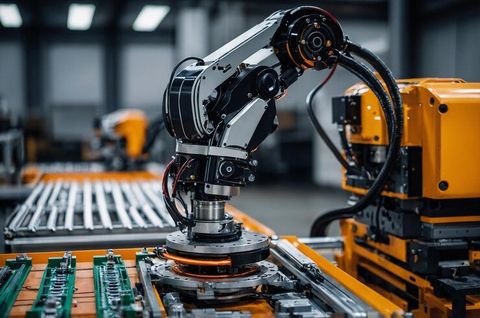
Automated hot air systems integrate heating equipment with production machinery, sensors, and control panels.
Selecting a suitable configuration requires an understanding of the material being heated, the required temperature, the airflow volume, and the duration of operation.
How Hot Air Blowers Work
The operating process begins when the fan draws air into the unit. The air passes through or near a heating element, absorbs thermal energy, and exits through a nozzle or outlet.
The heated airflow transfers energy to the target material. Depending on the application, this energy can soften a surface, evaporate moisture, activate a coating, shrink packaging film, or accelerate a drying process.
Temperature, air velocity, nozzle distance, and exposure time all influence the result. Excessive heat may damage sensitive materials, while insufficient airflow or temperature may extend processing time.
Importance
Supporting Heating and Drying Efficiency
Hot air blowers can support efficient heating and drying by directing thermal energy toward a defined area. In suitable applications, this approach can reduce the need to heat an entire room or enclosure when only a particular surface or component requires treatment.
The actual efficiency depends on the blower's electrical or thermal input, heat losses, airflow distribution, and the characteristics of the material. A unit with a high temperature rating is not necessarily more efficient if its airflow is unsuitable for the task.
Controlled heating can also improve process consistency. When temperature and airflow remain within the required operating range, manufacturers can reduce unwanted variation between production cycles.
Applications Across Industries
Hot air blowers perform different functions across industrial and commercial environments.
Packaging: Heated air shrinks compatible films around products or packaging.
Automotive manufacturing: Controlled hot air supports selected adhesive, coating, and component-processing tasks.
Electronics: Suitable low-temperature airflow can help dry certain components when the process and material specifications permit it.
Printing: Heated airflow can accelerate the drying of compatible inks and coatings.
Construction: Hot air equipment may assist with selected surface preparation and material applications.
Food processing: Industrial hot air systems can support drying processes when designed to meet applicable hygiene and process requirements.
Plastics manufacturing: Controlled heat can soften suitable thermoplastic materials for forming or joining operations.
Not every hot air blower is appropriate for all these uses. Temperature range, contamination risk, material sensitivity, and process requirements must be considered before equipment is selected.
Factors That Affect Performance
The effectiveness of a hot air blower depends on several operating variables. Air temperature determines the thermal intensity, while airflow volume influences how much heated air reaches the work area. Nozzle design and distance affect heat concentration and distribution.
Other important factors include:
Material thickness and thermal conductivity.
Initial moisture content.
Ambient temperature and humidity.
Required drying time.
Heat loss to the surrounding environment.
Continuous-duty rating and equipment capacity.
Understanding these variables helps operators avoid excessive heating and unnecessary energy consumption.
Recent Updates
Temperature Control and Automation
During 2024–2026, industrial heating equipment continued to reflect broader developments in automation, digital controls, and energy management. Modern hot air systems may incorporate electronic temperature regulation, digital displays, programmable settings, and sensors that monitor process conditions.
These features can help maintain more consistent operating temperatures and reduce unnecessary heating when integrated correctly. However, their effectiveness depends on sensor placement, calibration, airflow design, and the quality of the control system.
Energy-Efficient Heating Designs
Manufacturers continue to develop heating equipment with attention to thermal efficiency, controllability, insulation, and motor performance. In appropriate applications, improved airflow paths and responsive controls can reduce heat losses or limit unnecessary operation.
Energy consumption still depends on the process itself. Heating a large quantity of wet material requires substantial energy to raise its temperature and evaporate moisture, regardless of the equipment's control features.
Integration With Production Lines
Industrial hot air blowers can be integrated into conveyor systems, packaging machinery, automated workstations, and other manufacturing equipment. Integration allows heating to occur at a defined point in the production sequence.
Automated systems may coordinate airflow, conveyor speed, temperature, and product detection. This arrangement can improve repeatability, provided that equipment settings are matched to the material and verified under actual operating conditions.
Laws or Policies
Electrical and Machinery Safety
Hot air blowers must be used according to applicable electrical safety requirements, machinery regulations, and manufacturer instructions. Relevant requirements vary by jurisdiction, equipment type, and industrial application.
Electrical installations should provide appropriate protection against overloads, short circuits, and other hazards. Equipment intended for continuous industrial operation may require suitable enclosures, protective devices, grounding, and installation arrangements.
Workplace Heat and Fire Prevention
Hot air blowers can produce high temperatures capable of causing burns, igniting combustible materials, or damaging nearby equipment. Work areas should be assessed for fire hazards, flammable substances, and materials that may release harmful fumes when heated.
Important precautions include:
Keeping the air outlet away from people and combustible materials.
Providing adequate ventilation for the application.
Avoiding unattended operation unless the equipment is specifically designed and approved for that purpose.
Allowing the unit to cool before handling or storing it.
Inspecting cables, plugs, hoses, and protective components.
Following lockout and isolation procedures during maintenance where applicable.
Personal protective equipment should be selected according to the temperature, material, and workplace risks.
Environmental and Process Requirements
Some industrial applications involve coatings, plastics, solvents, or other substances that can release fumes when heated. The process must be assessed to determine whether extraction, ventilation, temperature limits, or additional controls are required.
Food-related applications may also require equipment and process arrangements that meet applicable hygiene and contamination-control standards. General-purpose hot air equipment should not automatically be assumed suitable for direct food-contact or regulated production environments.
Tools and Resources
Selecting a Hot Air Blower
Equipment selection begins with defining the required temperature, airflow, duty cycle, and application. A technical specification sheet can help compare models using consistent criteria.
Selection factor | What to examine | Why it matters |
|---|---|---|
Temperature range | Minimum and maximum operating temperatures | Matches material requirements |
Airflow rate | Litres per minute or cubic metres per hour | Determines air delivery |
Heating capacity | Electrical or thermal power rating | Indicates heating input |
Control method | Manual adjustment or electronic control | Supports process consistency |
Duty cycle | Intermittent or continuous operation | Helps match production demands |
Nozzle design | Outlet shape and dimensions | Influences heat distribution |
Safety features | Overtemperature protection and suitable insulation | Reduces operating risks |
Manufacturer specifications should be checked against the actual working conditions rather than relying on a single rating.
Calculating Drying Requirements
Drying processes depend on the amount of moisture that must be removed, the material's properties, the initial moisture content, and the surrounding air conditions. A simple calculation can estimate the mass of water that needs to evaporate.
For example, if a material initially contains 10 kilograms of water and the process removes 4 kilograms, the remaining water quantity is 6 kilograms. This example illustrates moisture removal only; it does not determine the energy or time required for drying.
Thermal calculations may also need to account for heating the material, heating the water, evaporating the water, and compensating for heat losses. Industrial applications often require measured trials or engineering calculations to establish suitable operating settings.
Maintenance and Performance Monitoring
Routine maintenance helps preserve airflow and reduce equipment faults. Operators should inspect air inlets, outlets, filters where fitted, heating elements, electrical connections, and protective devices according to the manufacturer's instructions.
Useful monitoring activities include checking outlet temperature, observing changes in airflow, recording operating hours, and documenting abnormal noises or overheating. Any damaged cable, unusual burning smell, or suspected control failure should be addressed before continued operation.
FAQs
What is a hot air blower used for?
A hot air blower directs heated air toward a material or surface for tasks such as drying, shrink wrapping, localized heating, and selected manufacturing processes. The appropriate application depends on the equipment's specifications.
How does a hot air blower improve drying processes?
It transfers heat to a material and helps moisture evaporate. Drying performance depends on temperature, airflow, material properties, humidity, and exposure time.
How do I choose an industrial hot air blower?
Consider the required temperature, airflow, heating capacity, operating duration, material sensitivity, control features, and safety requirements. The selected unit should match the actual process conditions.
Are hot air blowers energy-efficient?
Their energy efficiency depends on heating design, airflow, insulation, control settings, and heat losses. Directing heat toward a specific work area can reduce unnecessary heating in suitable applications, but energy use must be assessed for the complete process.
What safety precautions are necessary when using hot air blowers?
Keep hot airflow away from people and combustible materials, maintain adequate ventilation, follow manufacturer instructions, and inspect equipment regularly. Allow the unit to cool before storage or maintenance.
Conclusion
Hot air blowers support heating and drying processes by combining controlled heat generation with directed airflow. Their performance depends on temperature, airflow volume, material properties, equipment design, and operating conditions. Modern controls and automation can improve process consistency when correctly configured and maintained. Appropriate equipment selection, electrical safety, fire prevention, and routine inspection remain essential for reliable operation.

You May Also Like