International Air Cargo Logistics Overview With Freight Handling and Delivery Information
International air cargo logistics is the organized movement of goods between countries using aircraft and connected ground transportation. It combines cargo preparation, freight handling, documentation, airport processing, customs procedures, aircraft transportation, destination handling, and final delivery.
The system supports the movement of products that may need to travel quickly across long distances.
Air cargo developed alongside commercial aviation as businesses needed faster ways to move valuable, urgent, lightweight, and time-sensitive goods. Today, international air freight connects manufacturers, distributors, retailers, healthcare organizations, technology companies, and individual shippers across many regions.
How International Air Cargo Works
An international air cargo shipment normally passes through several stages. The exact process can vary according to the origin, destination, cargo type, airline, airport, and applicable regulations.
A simplified movement sequence includes:
- Cargo preparation: Goods are packed, labeled, measured, and documented.
- Pickup and ground transport: Cargo moves from the shipper to an airport or cargo facility.
- Export processing: Required documents and export controls are checked.
- Freight handling: Cargo is weighed, screened, consolidated, stored, and prepared for aircraft loading.
- Air transportation: The shipment travels directly or through one or more connecting airports.
- Import processing: Authorities and cargo handlers review documentation and complete required procedures.
- Destination handling: Cargo is unloaded, sorted, and prepared for onward transportation.
- Final delivery: The shipment moves to its stated destination through road or other transport.
The phrase international air cargo logistics therefore covers much more than the aircraft journey itself. Airport operations, cargo security, customs procedures, tracking systems, warehouse management, and ground transportation all form part of the overall process.
Common Types of Air Freight
Air freight can include many categories of goods. General cargo may include clothing, electronics, machinery components, documents, spare parts, and packaged consumer products. Other shipments require special handling because of their size, sensitivity, temperature requirements, or regulatory classification.
Examples include:
- Perishable goods requiring controlled temperature conditions
- Valuable or sensitive equipment
- Oversized cargo requiring specialized handling
- Dangerous goods subject to aviation safety rules
- Time-sensitive replacement components
- E-commerce parcels and consolidated shipments
Importance
International air cargo logistics matters because modern supply chains often depend on predictable movement between distant production and consumption centers. A delay at one point can affect manufacturing schedules, inventory availability, warehouse planning, and final delivery.
For individuals, air cargo can support international movement of documents, personal belongings, specialized equipment, and other permitted items. For organizations, it can connect suppliers, production facilities, distribution centers, and customers across different regions.
Problems Addressed by Air Cargo
Air transportation addresses several logistical challenges associated with long-distance freight movement. Its primary characteristic is speed compared with many other long-distance transportation methods, although the overall shipment time also depends on handling, customs processing, airport connections, and ground transportation.
Another important factor is geographic reach. Air cargo networks connect major international airports, allowing shipments to move between regions that may be separated by oceans or large land distances.
Who Uses International Air Freight
Different groups interact with international air cargo systems:
- Manufacturers moving components or finished products
- Importers and exporters managing international shipments
- Logistics coordinators arranging transportation
- Freight forwarders coordinating multiple shipment stages
- Airlines transporting cargo between airports
- Customs authorities checking international shipments
- Warehouses handling storage and consolidation
- Consumers receiving international parcels
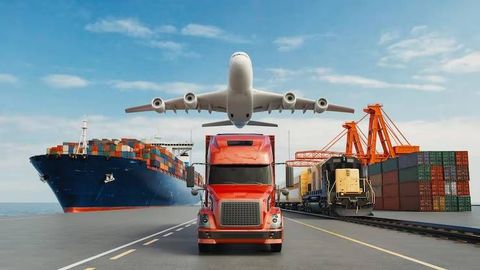
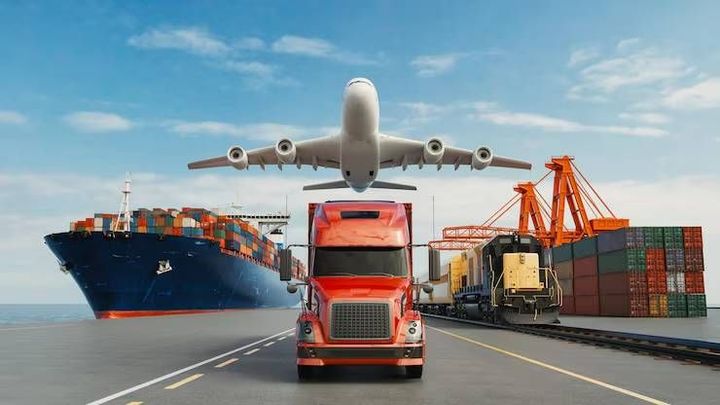
The system also supports multimodal logistics, where air transportation is combined with road, rail, or maritime transportation before or after the aircraft journey.
Common Air Cargo Information
| Shipment factor | Why it matters |
|---|---|
| Weight | Determines handling and transportation calculations |
| Dimensions | Helps determine available aircraft and storage space |
| Cargo type | Identifies packaging and handling requirements |
| Origin | Determines export procedures and routing |
| Destination | Determines import procedures and delivery arrangements |
| Packaging | Protects goods during handling and transportation |
| Documentation | Supports customs, security, and shipment processing |
| Delivery requirements | Helps determine the appropriate transportation arrangement |
Recent Updates
From 2024 through 2026, international air cargo logistics has continued to develop around digital documentation, shipment visibility, automation, security, and changing global trade patterns. The general direction has been toward greater use of electronic information and more connected logistics systems.
Digital Cargo Documentation
Electronic documentation is becoming increasingly important throughout international freight operations. Digital records can reduce dependence on paper documents and allow information to move between participating organizations more efficiently.
Electronic air waybills, digital customs information, electronic shipment records, and automated data exchange are examples of this broader transition. Adoption varies by country, airport, airline, and shipment type.
Tracking and Shipment Visibility
Modern tracking systems can provide information about shipment milestones, including acceptance, departure, arrival, customs processing, and delivery progression. Tracking data can be combined with barcode scanning, shipment identifiers, warehouse systems, and transportation management platforms.
This creates greater visibility across different stages of the logistics process, although the amount and frequency of tracking information varies between providers and transportation networks.
Automation in Cargo Handling
Air cargo facilities increasingly use automated sorting, scanning, warehouse management, and cargo identification technologies. These systems can help organize large shipment volumes and reduce manual data entry.
Artificial intelligence and machine-learning applications are also being explored for demand forecasting, route planning, anomaly detection, warehouse operations, and shipment processing. Their practical use differs across logistics environments.
Changing Freight Patterns
International freight flows continue to respond to changes in manufacturing locations, consumer purchasing patterns, inventory strategies, geopolitical conditions, and global trade activity. E-commerce has also contributed to demand for smaller shipments moving through international air cargo networks.
Laws or Policies
International air cargo is governed by a combination of aviation rules, customs requirements, security procedures, trade controls, and transportation regulations. Because shipments cross borders, several authorities may become involved during one movement.
Aviation and Cargo Safety Rules
International aviation operations are influenced by standards developed through organizations such as the International Civil Aviation Organization. Airlines and airports also operate under national aviation authorities and applicable security requirements.
Cargo may need to undergo screening before being loaded onto an aircraft. Requirements can vary according to the shipment, route, aircraft, airport, and national regulations.
Dangerous Goods Requirements
Some materials require special treatment because they can create risks during air transportation. Examples can include certain chemicals, batteries, compressed gases, flammable materials, and other regulated products.
The International Air Transport Association publishes widely used technical guidance for dangerous goods transportation. Requirements can include classification, packaging, marking, labeling, documentation, and handling procedures.
Customs and Import Controls
Customs authorities review international shipments to determine whether the required declarations and supporting information are present. Depending on the destination, authorities may examine product descriptions, quantities, declared values, origin information, permits, and other documentation.
Import taxes, duties, restrictions, and inspection procedures vary by jurisdiction. Some goods may require additional approvals or certificates before they can enter a country.
Export Controls and Trade Rules
Certain products, technologies, materials, and destinations can be subject to export controls. Businesses involved in international freight therefore need to identify applicable rules before shipment preparation.
The exact requirements depend on the origin country, destination country, product classification, and purpose of the shipment. General information should not be treated as professional customs or legal advice.
Tools and Resources
Several categories of digital tools help people understand and manage international air cargo logistics.
Freight Calculators
Air freight calculators can estimate shipment characteristics using information such as weight and dimensions. A commonly used concept is volumetric or dimensional weight, which considers the amount of aircraft space occupied by a shipment.
The applicable calculation method can differ among transportation arrangements, so the displayed result should be understood as a logistics calculation rather than a universal figure.
Shipment Tracking Platforms
Airlines, freight operators, airports, and logistics platforms commonly provide shipment tracking tools. These systems generally use an air waybill or another shipment reference number to display available movement information.
Tracking may show events rather than continuous physical positioning, and updates can depend on when information is received from different parts of the transportation network.
Customs and Documentation Resources
Government customs portals can provide information about import declarations, restricted goods, tariffs, documentation, and procedures. Airport cargo portals may provide information about cargo acceptance, handling processes, and shipment status.
Useful resources may include:
- Air waybill templates
- Commercial invoice templates
- Packing lists
- Cargo dimension calculators
- Customs classification resources
- Dangerous goods guidance
- Shipment tracking platforms
- Airport cargo information systems
FAQs
What is international air cargo logistics?
International air cargo logistics is the coordinated movement of goods between countries using aircraft and related ground transportation. It includes packaging, freight handling, documentation, customs processing, air transportation, and final delivery.
How does freight handling work at an airport?
Freight handling can include receiving, weighing, measuring, screening, labeling, sorting, storage, consolidation, documentation checks, and aircraft loading. Procedures depend on cargo type, airport requirements, and applicable aviation rules.
What documents are needed for international air freight?
Common documents can include an air waybill, commercial invoice, packing list, export documentation, import documentation, and permits where required. The exact documents depend on the shipment and countries involved.
How is air cargo delivery tracked?
International air cargo can be tracked using an air waybill number or another shipment reference. Tracking systems may show milestones such as acceptance, departure, arrival, customs processing, and delivery progression.
What affects international air cargo delivery time?
Delivery time can be affected by flight schedules, airport connections, cargo handling, customs processing, security screening, weather, documentation accuracy, and ground transportation. The aircraft flight itself is only one part of the complete logistics process.
Conclusion
International air cargo logistics combines aviation, freight handling, customs procedures, digital documentation, security controls, and ground transportation to move goods across borders. Recent developments have increased the use of electronic records, shipment tracking, automation, and connected logistics systems. Regulations continue to influence how cargo is prepared, screened, documented, transported, and cleared through borders. Understanding these stages helps explain how international air freight moves from origin to final destination.