Boat Hauling Transportation Basics for Understanding Vessel Transport Requirements
Boat hauling transportation refers to the movement of boats and other recreational or commercial vessels by road, trailer, rail, or specialized transport equipment. Vessel transport is used when a boat needs to move between storage locations, marinas, construction facilities, repair yards, ports, or different waterways.
Unlike ordinary cargo, a boat has an unusual shape and may contain sensitive components such as engines, antennas, railings, navigation equipment, windows, masts, and removable accessories. The hull also needs appropriate support while the vessel is being moved. These factors make boat hauling transportation different from transporting conventional rectangular cargo.
A typical boat transport process begins with an assessment of the vessel. Important information includes overall length, beam or width, height from the ground, total weight, draft, hull configuration, and the position of major equipment. The transport method can then be selected according to the vessel and the route.
For smaller vessels, a suitable trailer may provide the complete transport platform. Larger boats can require specialized trailers, hydraulic lifting equipment, cranes, escort arrangements, route planning, and additional structural support.
Common Boat Transportation Methods
Boat hauling transportation can use several methods depending on the vessel and destination. Road transportation is common for vessels that can be safely positioned on an appropriate trailer. Specialized heavy-haul equipment may be used for larger boats.
Water-based movement can also be appropriate when a vessel is operational and a navigable route exists. In other situations, rail or combined transport methods may be considered.
Common approaches include:
Trailer transportation for smaller or moderate-sized boats
Specialized road transport for larger vessels
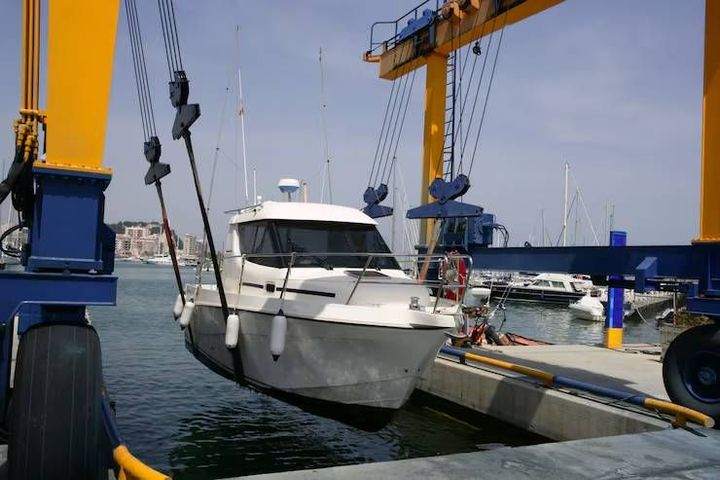
Crane loading and unloading for vessels requiring lifting
Shipyard transport for construction or repair activities
Multimodal transportation using more than one transport method
Marina-to-marina movement where water transport is practical
The selected method depends on the vessel's dimensions, weight, route, destination, lifting points, and regulatory requirements.
Preparing a Vessel for Transport
Preparation begins with documenting the boat's condition. Photographs can record the hull, deck, fittings, windows, equipment, and other visible components before movement.
Loose items should be secured or removed where appropriate. Depending on the vessel and transport method, preparation may involve lowering antennas, removing sails, securing doors, draining selected systems, disconnecting batteries, or protecting exposed equipment.
The transport team also needs accurate measurements. Small differences in height or width can affect whether a planned route is suitable for the loaded vehicle.
Importance
Boat hauling transportation matters because vessels often need to move even when they are not capable of traveling under their own power. Boats may require relocation for maintenance, storage, seasonal movement, construction, resale preparation, marina changes, or delivery to a new operating area.
Transportation planning also addresses physical and logistical challenges. A boat's beam can affect road clearance, while its height can determine whether bridges, tunnels, overhead signs, and electrical infrastructure can be passed safely.
Key Vessel Measurements
Several measurements are particularly important for vessel transport:
Length overall, including permanent extensions where applicable
Beam, or maximum vessel width
Height from the ground or transport platform
Vessel weight
Draft, when relevant to lifting or water movement
Center of gravity
Hull support locations
Location of removable or protruding equipment
The following table illustrates why these measurements matter:
| Vessel Factor | Transport Relevance | Planning Question |
|---|---|---|
| Length | Determines trailer and route requirements | Can the transport equipment support the full vessel? |
| Beam | Affects road width and permits | Does the loaded width require additional controls? |
| Height | Determines overhead clearance | Can the route accommodate the loaded height? |
| Weight | Affects trailer and axle requirements | Is the equipment rated for the vessel mass? |
| Hull Shape | Determines support arrangement | Where should the hull be supported? |
| Equipment | Can affect overall dimensions | What components need removal or protection? |
Accurate measurements are particularly important because the vessel may become a wider or taller load once it is positioned on the transport equipment.
Hull Support and Loading
The hull should be supported according to its structural characteristics and the recommendations associated with the vessel. Improper support can place pressure on areas that were not designed to carry transport loads.
Loading can involve ramps, travel lifts, cranes, hydraulic trailers, or other specialized equipment. The method depends on the vessel's size and the facilities available at both ends of the journey.
During loading, the vessel needs to remain stable as its weight transfers from one support system to another. Equipment operators may use lifting points, slings, cradles, or adjustable supports designed for the specific vessel.
Route Planning
Route planning involves more than measuring road distance. Transport planners may need to examine bridge heights, road widths, turning radii, steep grades, restricted roads, construction areas, and other physical conditions.
For oversized vessels, authorities may require permits, designated routes, warning equipment, or escort arrangements. Requirements depend on the jurisdiction and the dimensions of the complete loaded vehicle.
Recent Updates
From 2024 through 2026, boat hauling transportation has continued to incorporate digital route planning, improved trailer technology, electronic documentation, and more detailed transport coordination. The general trend is toward using more precise information before the vessel begins its journey.
Digital Route Planning
Digital mapping and route-planning platforms can help identify roads, bridges, restricted areas, and potential clearance issues. Specialized planning may combine mapping information with the loaded vehicle's dimensions.
Three-dimensional measurement technologies can also support assessment of vessel dimensions and transport equipment. Digital records can make it easier to share measurements among vessel owners, transport planners, marinas, shipyards, and equipment operators.
Trailer and Hydraulic Equipment
Modern specialized trailers can incorporate adjustable support systems and hydraulic functions that help position large vessels. Hydraulic steering and suspension arrangements can improve maneuverability for certain heavy transport applications.
These systems require trained operators and appropriate procedures because vessel weight can be distributed unevenly. The trailer must be compatible with the vessel's dimensions and structural support requirements.
Documentation and Tracking
Transport documentation is increasingly managed electronically. Measurements, inspection photographs, route information, permits, loading records, and delivery information can be stored digitally.
Tracking systems can also provide location information during transportation. This can help coordinate arrival times and monitor movement, although the availability and accuracy of tracking depend on the equipment and communication system being used.
Multimodal Transportation
Some vessel movements use more than one transportation method. A boat might travel by road to a port and then continue by water or another transport method.
Multimodal planning requires coordination between loading equipment, transport vehicles, storage areas, ports, and receiving facilities. Dimensions and support requirements need to remain consistent throughout each transfer.
Laws or Policies
Boat hauling transportation is influenced by road transportation rules, oversized-load regulations, vehicle weight limits, maritime requirements, customs procedures, workplace safety rules, and environmental regulations. The applicable requirements vary according to the country, route, vessel type, and transport method.
Road Transport Requirements
Oversized vessels transported by road may require permits when the loaded vehicle exceeds established limits for width, height, length, or weight. Some jurisdictions also regulate axle loads and overall vehicle dimensions.
Permit conditions may specify routes, travel times, warning equipment, escort vehicles, or restrictions on particular roads. These requirements apply to the complete transport configuration rather than the vessel alone.
Maritime and Port Requirements
When a vessel is transferred through a port or transported by water, additional rules may apply. These can address loading operations, lifting equipment, port access, vessel documentation, and worker protection.
International transportation can also involve customs and import or export documentation. The requirements depend on the countries involved and whether the boat is entering or leaving a customs-controlled area.
Safety Requirements
Boat hauling involves lifting, securing, driving, and unloading activities. Workplace safety rules can address crane operation, lifting accessories, fall protection, vehicle movement, equipment inspection, and communication between workers.
Securing equipment must be appropriate for the load and transport conditions. Operators should follow documented procedures for loading, restraint, inspection, and unloading.
Tools and Resources
Several tools can assist with vessel transport planning. Vessel measurement sheets can record length, beam, height, weight, draft, equipment locations, and support points.
Route-planning software can help examine road geometry and potential restrictions. Load calculators can assist with weight distribution, axle loading, and transport configuration where the necessary technical information is available.
Useful planning resources include:
Vessel measurement worksheets
Trailer specification documents
Load distribution calculators
Route-planning platforms
Bridge-clearance databases
Oversized-load permit systems
Crane lifting plans
Hull support diagrams
Pre-transport inspection checklists
Tie-down and restraint documentation
Digital transport tracking platforms
Delivery condition reports
A basic preparation checklist can include the following:
| Planning Stage | Information to Confirm |
|---|---|
| Vessel assessment | Length, beam, height, weight |
| Equipment selection | Trailer, crane, lifting or support equipment |
| Route review | Clearance, width, weight restrictions |
| Permit review | Applicable transport permissions |
| Preparation | Loose equipment and protrusions |
| Loading | Lifting points and support locations |
| Restraint | Appropriate securing arrangement |
| Inspection | Condition before departure |
| Delivery | Unloading area and receiving equipment |
Digital documentation can help maintain a consistent record from the initial vessel assessment through loading, transportation, and delivery. Photographs and measurement records can also help identify changes in vessel condition during the transport process.
FAQs
What is boat hauling transportation?
Boat hauling transportation is the movement of a vessel by trailer, specialized road equipment, rail, water, or a combination of transportation methods. The method depends on vessel dimensions, weight, structure, route, and destination.
What measurements are needed for vessel transport?
Important measurements include length overall, beam, height, weight, draft, hull shape, and the location of major equipment. The dimensions of the loaded transport configuration are also important for route planning.
How are large boats transported by road?
Large boats can be placed on specialized trailers or transport platforms using cranes, travel lifts, or hydraulic loading equipment. The transport arrangement must account for hull support, weight distribution, overall dimensions, route restrictions, and applicable permits.
What are the main boat hauling transportation requirements?
Requirements can include suitable transport equipment, accurate vessel measurements, proper hull support, load restraint, route assessment, permits for oversized loads, appropriate lifting equipment, and compliance with applicable road and workplace rules.
Does boat transportation require special permits?
A permit may be required when the loaded vehicle exceeds applicable limits for width, height, length, or weight. Requirements vary by jurisdiction and route, so the relevant transport authority determines which permissions apply.
Conclusion
Boat hauling transportation involves specialized planning because vessels have unusual dimensions, structural requirements, and equipment configurations. Accurate measurements, suitable hull support, appropriate transport equipment, route assessment, and secure load restraint are central elements of vessel movement. Recent developments include digital route planning, hydraulic transport equipment, electronic documentation, tracking systems, and multimodal transportation coordination. Road, maritime, workplace, and customs requirements vary according to the vessel, route, and jurisdictions involved.

You May Also Like